
Botox can reduce muscle tension and ease teeth grinding. There are numerous individuals who develop bruxism because of the stress or bite issues, or sleeping disorders. The disorder may destroy teeth and bring about pain on the jaw. This blog discusses the benefits of Botox, the type of people that can benefit, and what to expect.
- 1 What Is Bruxism?
- 2 How Botox Works for Bruxism
- 3 Benefits of Botox for Bruxism
- 4 Who Is a Good Candidate for Botox?
- 5 The Botox Procedure for Bruxism
- 6 How Long Do Results Last?
- 7 Side Effects and Safety
- 8 Botox vs. Night Guards
- 9 Botox for Jawline Slimming
- 10 Aftercare Tips
- 11 When to Consider Botox for Bruxism
- 12 FAQ: Botox for Bruxism
- 12.1 Is Botox effective for treating bruxism?
- 12.2 How long does Botox relief last for bruxism?
- 12.3 Is Botox safe for treating teeth grinding?
- 12.4 Does Botox hurt during the procedure?
- 12.5 Can Botox replace a night guard?
- 12.6 How soon will I feel results from Botox?
- 12.7 Are there any long-term effects of using Botox for bruxism?
- 12.8 Does Botox change the shape of the jaw?
- 12.9 Can I eat or drink normally after Botox?
- 12.10 When should I seek help for bruxism?
- 12.11 Latest Blogs
- 12.11.0.1 Dental Implants Turkey Cost 2026: Premium Solutions with Medentika and Amann Girrbach
- 12.11.0.2 Jacob Elordi Teeth: The Secrets Behind the Hollywood Smile
- 12.11.0.3 Dua Lipa Teeth: The Evolution of a Global Pop Icon’s Smile
- 12.11.0.4 The Oral Bio-Hacking Guide to Health: Peptide Therapy and Microbiome Balancing
What Is Bruxism?
Bruxism is a disorder resulting in automatic grinding of teeth. It usually happens when one is asleep but it may also take place during the day. It causes wear of teeth, muscular pain and headache. Early intervention minimizes damage in the long-term and enhances comfort.
How Botox Works for Bruxism
Botox is used in the treatment of overactive jaw muscles. It minimises automatic grinding and clenching. This helps to shield the teeth against excessive pressure and jaw pains. The effect is short-term but highly effective to a significant number of patients.
Benefits of Botox for Bruxism
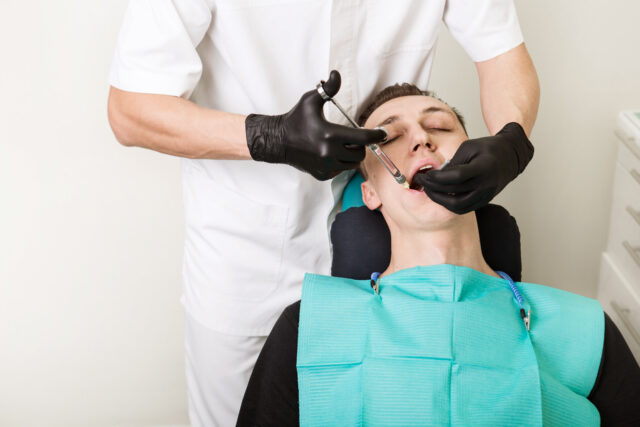
There are a number of obvious benefits of Botox. It lessens the pain caused by muscle tension. It prevents the grinding forces on the enamel. It reduces morning headaches on the account of clenching at night. A significant number of patients also complain about the softening of the jawline because of muscle activity.
Who Is a Good Candidate for Botox?
Botox would fit into patients with moderate or severe bruxism. It assists individuals who fail to react to night guards. It helps the individuals who have jaw pain due to muscle overuse. A dentist will be able to tell whether Botox will work your case.
The Botox Procedure for Bruxism
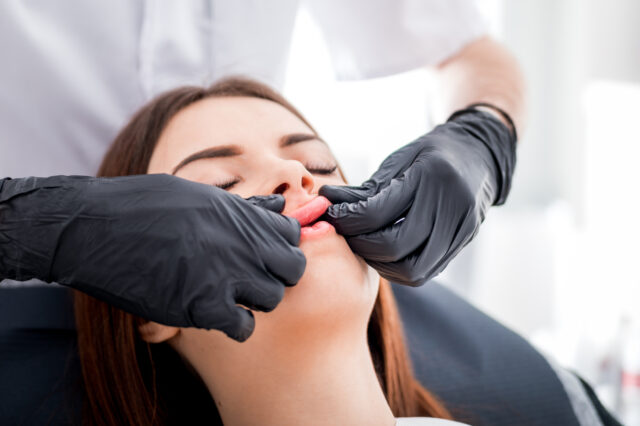
The process is not complex and fast. The dentist injections are administered in tiny quantities in the chewing muscles. It takes a few minutes of treatment. Majority of patients resume normal life right away. Complete positive outcomes are observed in a few days.
How Long Do Results Last?
The effects of Botox take between three and four months. The tension of the muscles is reduced in this time. A lot of patients also book follow-up sessions to have a sustained relief. The grinding habit can be weakened by taking it long-term.
Side Effects and Safety
The use of Botox is safe when used by skilled professionals. Mild tenderness or swelling may be experienced. These effects are lost in hours or days. There are minimal chances of serious complications. Safe treatment is guaranteed by an elaborate consultation.
Botox vs. Night Guards
Night guards protect teeth but do not relax muscles. Botox reduces grinding intensity at the source. Many patients use both options together. The combination protects teeth and reduces muscle stress.
Botox for Jawline Slimming
Botox can soften large jaw muscles caused by years of grinding. Reduced muscle activity leads to a leaner jawline. This cosmetic change appears gradually. It can be an added advantage for suitable patients.
Aftercare Tips
Aftercare supports the best outcome. Avoid massaging the area for several hours. Keep physical activity gentle on the treatment day. Stay upright for several hours after injections. Follow-up visits ensure proper muscle response.
When to Consider Botox for Bruxism
Consider Botox if you experience severe jaw pain. Choose it if your teeth show significant wear. Seek treatment if you wake with headaches or tight jaw muscles. It is also helpful if night guards fail to control grinding.
FAQ: Botox for Bruxism
Is Botox effective for treating bruxism?
Yes, Botox is effective for many people with bruxism. It relaxes the overactive jaw muscles responsible for grinding. This reduces pressure on the teeth and lowers pain. Many patients notice improvement within one week. Regular sessions maintain long-term relief.
How long does Botox relief last for bruxism?
The results usually last three to four months. Muscle activity gradually returns afterward. Many patients schedule repeated sessions to sustain comfort. Long-term use may reduce grinding intensity. Your dentist can help plan future treatments.
Is Botox safe for treating teeth grinding?
Botox is safe when performed by trained professionals. Side effects are mild and temporary. Most issues resolve within days. Serious risks are rare with proper technique. A consultation ensures you are a suitable candidate.
Does Botox hurt during the procedure?
The injections cause minimal discomfort. Most patients describe it as a quick pinch. The procedure is short and does not require anesthesia. Any soreness fades quickly. You can return to normal activities right away.
Can Botox replace a night guard?
Botox can help but does not replace all night guards. Night guards protect teeth from friction. Botox reduces muscle tension and grinding force. Many patients use both for best protection. Your dentist can advise the right combination.
How soon will I feel results from Botox?
Results begin within a few days. Full relaxation occurs by two weeks. Pain and tension gradually decrease. Grinding intensity becomes weaker over time. Regular follow-up sessions sustain relief.
Are there any long-term effects of using Botox for bruxism?
Long-term use is considered safe. The muscles may reduce in size with repeated sessions. This can decrease grinding habits over time. No major long-term risks are recorded when applied professionally. Monitoring ensures healthy results.
Does Botox change the shape of the jaw?
Botox can soften enlarged jaw muscles. This occurs when grinding has enlarged the masseter muscles. The jawline becomes slimmer over months. The effect is gradual and natural. Many patients view this as a positive cosmetic benefit.
Can I eat or drink normally after Botox?
You can eat and drink after treatment. Avoid chewing hard foods for a few hours. Keep physical activity light on the same day. Do not massage the treated area. Follow your dentist’s aftercare directions.
When should I seek help for bruxism?
Seek help if you notice tooth wear or jaw pain. Morning headaches are also a sign. Difficulty opening your mouth can show muscle stress. Early treatment prevents serious dental damage. A dentist can recommend the right plan.
Latest Blogs