
What Is SLS in Toothpaste is a typical ingredient of toothpaste, which produces foam. It assists in distributing toothpaste on teeth. A high number of individuals consume SLS toothpaste on a daily basis. Some people feel irritation from SLS. Understanding SLS helps you choose safer oral care.
- 1 What Is SLS in Toothpaste?
- 2 Why Is SLS Used in Toothpaste?
- 3 How Does SLS Work in Toothpaste?
- 4 Is SLS Safe in Toothpaste?
- 5 Common Side Effects of SLS in Toothpaste
- 6 Who Should Avoid SLS in Toothpaste?
- 7 Does SLS Affect Oral Health?
- 8 SLS vs SLES in Toothpaste
- 9 SLS-Free Toothpaste Benefits
- 10 Does SLS Cause Canker Sores?
- 11 How to Identify SLS in Toothpaste
- 12 Does SLS Affect Taste or Breath?
- 13 Can SLS Harm Dental Work?
- 14 SLS and Children’s Toothpaste
- 15 How to Choose the Best SLS-Free Toothpaste
- 16 Is Foaming Necessary for Clean Teeth?
- 17 Can You Switch to SLS-Free Toothpaste Anytime?
- 18 What Is SLS in Toothpaste FAQ
- 18.1 What is SLS in toothpaste?
- 18.2 Is SLS bad for teeth?
- 18.3 Does SLS cause mouth ulcers?
- 18.4 Is SLS-free toothpaste better?
- 18.5 Does SLS affect bad breath?
- 18.6 Can children use SLS toothpaste?
- 18.7 How do I know if my toothpaste has SLS?
- 18.8 Does SLS affect taste after brushing?
- 18.9 Is SLS safe for daily use?
- 18.10 Can SLS dry out the mouth?
- 19 Final Thoughts on What Is SLS in Toothpaste
What Is SLS in Toothpaste?
SLS means sodium lauryl sulfate. It is a surfactant and foaming agent. It lowers surface tension in liquids. This assists in the dispersion of toothpaste on teeth. It also removes debris off enamel.
SLS is not a cleaning agent. It helps other ingredients work better. It makes toothpaste feel more effective. The foam provides a fresh sensation. Such feeling is not equivalent to increased cleaning.
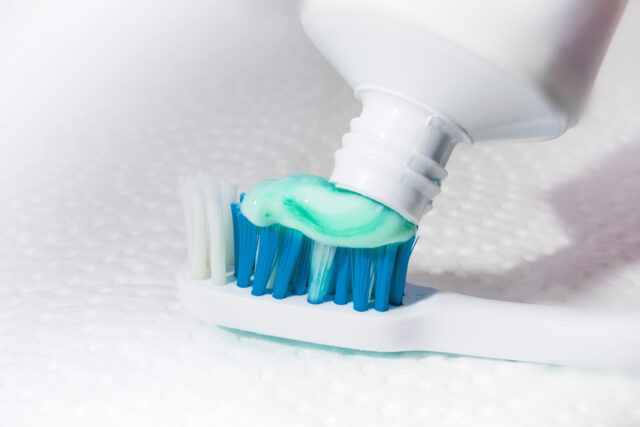
Why Is SLS Used in Toothpaste?
SLS enhances the diffusion of toothpaste in the mouth. It assists in the mixing of saliva and toothpaste. This enhances contact of the teeth with ingredients. It also eliminates oils on the surface. That facilitates the clearing of plaques.
SLS is used by manufacturers in consistency. It keeps paste smooth and stable. It also reduces ingredient separation. SLS is inexpensive and widely available. These reasons make it common in toothpaste.
How Does SLS Work in Toothpaste?
SLS breaks down surface oils. It allows water to mix with debris. This helps rinse particles away. It creates bubbles that lift residue. That makes brushing feel thorough.
SLS does not kill bacteria. Other ingredients handle that role. Fluoride strengthens enamel and prevents decay. Antibacterial agents reduce germs. SLS only improves ingredient distribution.
Is SLS Safe in Toothpaste?
SLS is approved for cosmetic use. It is safe at low concentrations. Most people tolerate SLS without problems. However, some people feel irritation. Sensitive users may need SLS-free toothpaste.
SLS does not cause cavities. It does not damage enamel directly. Issues come from irritation or dryness. These effects vary by person. Always monitor how your mouth feels.
Common Side Effects of SLS in Toothpaste
Some users experience mouth irritation. Others notice dry mouth after brushing. SLS may increase ulcer frequency. Sensitive tissues react more easily. Symptoms often improve after switching toothpaste.
SLS can strip protective oils. This can reduce moisture in the mouth. Dry tissues become more fragile. That can lead to sores. Avoiding SLS often helps sensitive mouths.
Who Should Avoid SLS in Toothpaste?
People with mouth ulcers should avoid SLS. Those with sensitive gums may react. Dry mouth patients benefit from SLS-free products. Allergy-prone users should be careful. Children with sensitivity may also avoid it.
Patients with oral conditions should consult dentists. Conditions include lichen planus or ulcers. Gentle formulas support healing. SLS-free toothpaste reduces irritation. That improves comfort and compliance.
Does SLS Affect Oral Health?
SLS does not weaken teeth. It does not reduce fluoride benefits. However, irritation can affect brushing comfort. Pain may cause shorter brushing. That can reduce plaque removal.
Comfort supports better hygiene habits. A gentle toothpaste encourages longer brushing. That improves plaque control. Healthier gums result from consistent care. Choosing suitable toothpaste matters.
SLS vs SLES in Toothpaste
SLES means sodium laureth sulfate. It is similar to SLS. SLES is slightly less irritating. It also creates foam. Both serve similar functions.
Some brands use SLES instead of SLS. Sensitive users may still react. Testing different products helps. Look for gentle formulas. Always check ingredient labels.
SLS-Free Toothpaste Benefits
SLS-free toothpaste reduces irritation risk. It supports dry and sensitive mouths. Many users notice fewer ulcers. Gums may feel calmer. Taste may also improve.
These formulas still clean well. They contain fluoride and mild cleansers. They remove plaque effectively. Foaming is less but not necessary. Cleaning depends on brushing technique.
Does SLS Cause Canker Sores?
SLS may increase canker sore frequency. It can irritate soft tissues. This triggers ulcers in sensitive people. Studies support this link. SLS-free toothpaste often reduces sores.
Not everyone is affected. Some people tolerate SLS well. If you get frequent sores, switch products. Monitor results for several weeks. Improvement suggests SLS sensitivity.
How to Identify SLS in Toothpaste
Check the ingredient list. Look for sodium lauryl sulfate. Also look for sodium laureth sulfate. Both are foaming agents. Avoid them if you are sensitive.
Labels may say SLS-free. This helps shoppers choose quickly. Read packaging carefully. Some natural brands still include SLS. Always verify ingredients.
Does SLS Affect Taste or Breath?
SLS can alter taste temporarily. It can reduce sweetness perception. This is why orange juice tastes bitter. SLS changes taste receptor sensitivity. Effects fade after rinsing.
Breath freshness depends on antibacterial agents. SLS does not neutralize odors. Ingredients like zinc and fluoride help. A gentle formula still supports fresh breath. Choose based on comfort and needs.
Can SLS Harm Dental Work?
SLS does not damage fillings or crowns. It does not erode veneers. It does not weaken bonding materials. Dental restorations remain safe. Use any toothpaste recommended by your dentist.
However, abrasive formulas may wear surfaces. SLS is not abrasive. Check the RDA value instead. Low abrasiveness protects restorations. Gentle cleaning preserves shine.
SLS and Children’s Toothpaste
Children may have sensitive mouths. SLS can cause irritation. Many pediatric toothpastes are SLS-free. These formulas reduce discomfort. They also improve brushing cooperation.
Always use age-appropriate toothpaste. Follow fluoride recommendations. A gentle foam is enough. Teach proper brushing technique. Comfort supports healthy habits.
How to Choose the Best SLS-Free Toothpaste
Look for fluoride content first. Fluoride prevents cavities. Choose low-abrasive formulas. Avoid harsh detergents. Select a flavor you enjoy.
Consider your specific needs. Whitening, sensitivity, or gum care may matter. Read reviews and labels. Ask your dentist for guidance. Personal comfort is important.
Is Foaming Necessary for Clean Teeth?
Foam is not required for cleaning. Bristles and fluoride do the work. Foam only spreads paste. Many effective toothpastes foam less. They still remove plaque.
A lower foam can feel different. You may adjust after a few uses. Focus on brushing time and technique. Two minutes is essential. Proper coverage ensures cleanliness.
Can You Switch to SLS-Free Toothpaste Anytime?
Yes, you can switch at any time. No adjustment period is needed. Benefits may appear within weeks. Ulcers and dryness often reduce. Continue regular brushing and flossing.
If symptoms persist, see a dentist. Other causes may exist. Conditions like infection or allergy matter. Professional advice ensures proper care.
What Is SLS in Toothpaste FAQ
What is SLS in toothpaste?
SLS is sodium lauryl sulfate. It is a foaming agent. It helps toothpaste spread. It lifts debris from teeth. It does not clean by itself.
Is SLS bad for teeth?
SLS does not harm enamel. It does not cause cavities. Some people feel irritation. Sensitive mouths may react. Many people tolerate SLS well.
Does SLS cause mouth ulcers?
SLS may increase ulcer frequency. It can irritate soft tissues. Sensitive users are more affected. Switching products often helps. Results appear within weeks.
Is SLS-free toothpaste better?
SLS-free toothpaste is gentler. It reduces irritation risk. It still cleans effectively. Fluoride provides protection. Many sensitive users prefer it.
Does SLS affect bad breath?
SLS does not remove odor. Antibacterial ingredients do that. Zinc and fluoride help. SLS only creates foam. Fresh breath depends on formula.
Can children use SLS toothpaste?
Children can use SLS toothpaste. However, many prefer SLS-free. Gentle formulas reduce irritation. They improve brushing comfort. Choose age-appropriate products.
How do I know if my toothpaste has SLS?
Check the ingredient list. Look for sodium lauryl sulfate. Also look for sodium laureth sulfate. Labels may say SLS-free. Always verify ingredients.
Does SLS affect taste after brushing?
Yes, SLS changes taste temporarily. It makes sweet foods taste bitter. This effect is short. It fades after rinsing. It is not harmful.
Is SLS safe for daily use?
SLS is safe at low levels. Most people use it daily. Some experience irritation. Sensitive users should avoid it. Personal tolerance varies.
Can SLS dry out the mouth?
Yes, SLS can reduce moisture. It strips protective oils. This causes dryness for some users. SLS-free formulas help. Dry mouth needs gentle care.
Final Thoughts on What Is SLS in Toothpaste
SLS is a foaming agent found in many toothpastes. It helps spread paste and lift debris. It does not clean teeth alone. Some people experience irritation from SLS.
Choosing the right toothpaste improves comfort and oral health. SLS-free options suit sensitive mouths. Fluoride remains the most important ingredient. Always brush twice daily and floss regularly. Consult a dentist for personalized advice.