
- 1 What is Dry Mouth?
- 2 Common Causes of Dryness During Sleep
- 3 Health Conditions Linked to Chronic Dryness
- 4 Effective Treatments and Home Remedies
- 5 Frequently Asked Questions
- 5.1 Can persistent dryness cause permanent damage to my teeth?
- 5.2 Why does the condition feel worse in the morning?
- 5.3 Is there a specific diet to help with this issue?
- 5.4 When should I see a dentist for evaluation?
- 5.5 Latest Blogs
- 5.5.0.1 Dental Implants Turkey Cost 2026: Premium Solutions with Medentika and Amann Girrbach
- 5.5.0.2 Jacob Elordi Teeth: The Secrets Behind the Hollywood Smile
- 5.5.0.3 Dua Lipa Teeth: The Evolution of a Global Pop Icon’s Smile
- 5.5.0.4 The Oral Bio-Hacking Guide to Health: Peptide Therapy and Microbiome Balancing
What is Dry Mouth?
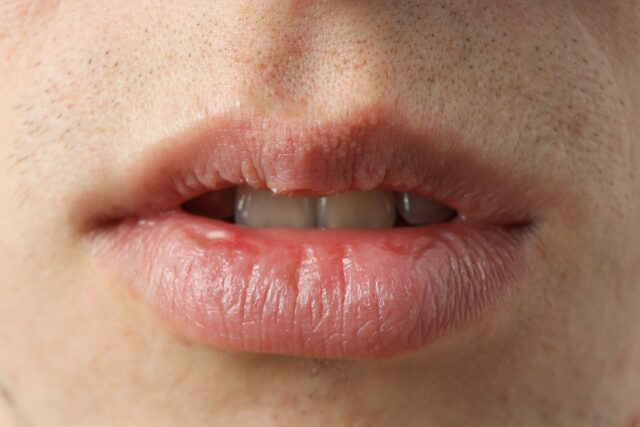
Dry Mouth, or xerostomia, is a condition where the salivary glands fail to produce enough moisture to keep the oral cavity hydrated, often leading to a sticky, parched sensation that is most noticeable during the night or upon waking. While it is frequently triggered by simple lifestyle factors like mouth breathing or inadequate hydration, persistent Dry Mouth can significantly increase the risk of tooth decay and gum infections, making it essential to identify whether the cause is a side effect of medication, an underlying health condition, or environmental factors to implement the correct treatment.
Common Causes of Dryness During Sleep
Experiencing a lack of moisture while sleeping is a common struggle that can disrupt your rest and affect your overall oral hygiene. Saliva is the mouth’s primary defense mechanism, and when its production drops, the balance of the oral ecosystem is disturbed.
Mouth Breathing and Airway Obstructions
The most prevalent reason for waking up with a Dry Mouth is breathing through the mouth instead of the nose. When the nasal passages are blocked due to chronic allergies, a common cold, or structural issues like a deviated septum, air constantly flows over the oral tissues, causing rapid evaporation of saliva.
Side Effects of Prescription Medications
A vast number of pharmaceutical products interfere with the signals sent to the salivary glands, often resulting in chronic Dry Mouth. This is particularly common with medications for high blood pressure, antihistamines for allergies, antidepressants, and even some over-the-counter decongestants that dry out mucous membranes throughout the body.
Dehydration and Environmental Factors
If you do not consume enough water throughout the day, your body lacks the necessary fluids to maintain saliva flow at night, which directly triggers Dry Mouth. Furthermore, low humidity levels in the bedroom, often caused by air conditioning or central heating, can strip moisture from your mouth and throat as you sleep.
Health Conditions Linked to Chronic Dryness
In many instances, this condition is not a standalone issue but rather a symptom of a systemic health problem that requires professional medical or dental evaluation.
Sleep Apnea and Snoring
There is a strong correlation between sleep apnea and Dry Mouth. Because sleep apnea often involves gasping for air or heavy snoring through an open mouth, the oral cavity becomes severely dehydrated overnight, which can lead to a sore throat and morning halitosis.
Diabetes and Blood Sugar Fluctuations
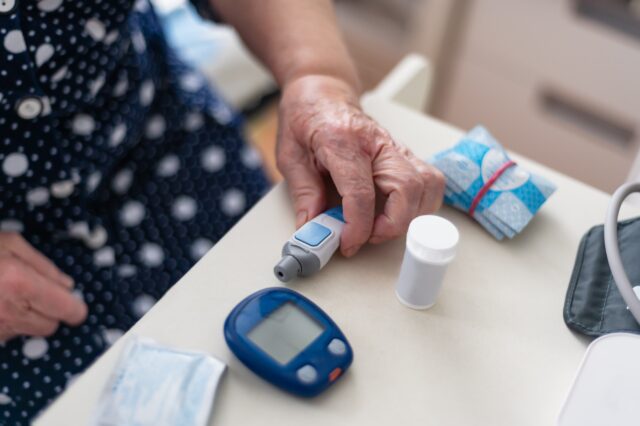
One of the early warning signs of diabetes is a persistent feeling of dryness in the oral cavity. High glucose levels in the blood and saliva can lead to increased fluid loss through frequent urination, which in turn reduces the body’s ability to keep the mouth properly lubricated and prevents Dry Mouth.
Autoimmune Disorders and Sjogren’s Syndrome
Sjogren’s syndrome is a specific autoimmune condition where the body’s immune system mistakenly attacks the glands that produce moisture. This results in severe, long-term Dry Mouth and dry eyes, often requiring specialized saliva substitutes to prevent dental complications.
Effective Treatments and Home Remedies
Fixing the lack of oral moisture requires a combination of immediate relief for the symptoms and long-term changes to address the underlying cause of the dryness.
Hydration and Lifestyle Adjustments
Increasing your daily water intake is the simplest way to combat Dry Mouth. Avoiding caffeine and alcohol, especially in the evening, is also crucial, as these substances act as diuretics and drying agents that further reduce the moisture levels in your oral cavity.
Using Air Humidifiers and Nasal Strips
If the problem is caused by environmental air or nasal congestion, placing a humidifier in your bedroom can add much-needed moisture to the air you breathe. Nasal strips can also help keep your nasal passages open, encouraging nose breathing instead of mouth breathing to alleviate Dry Mouth symptoms during the night.
Specialized Oral Care Products
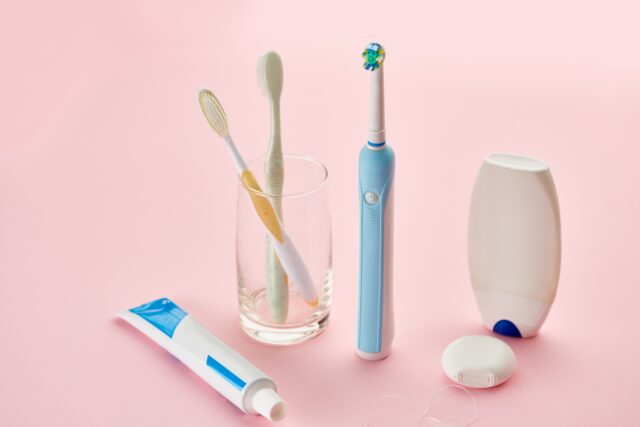
To manage the symptoms effectively, you can use alcohol-free mouthwashes, specialized moisturizing gels, or saliva stimulants. These products are designed to mimic natural saliva and provide a protective coating over the gums and teeth, reducing the risk of irritation caused by Dry Mouth.
Frequently Asked Questions
Navigating the discomfort of a dry oral cavity can be difficult, but understanding the common concerns can help you find the right solution.
Can persistent dryness cause permanent damage to my teeth?
Yes, because saliva is responsible for washing away food particles and neutralizing bacterial acids, a chronic Dry Mouth leaves your enamel unprotected, which can lead to rapid tooth decay, cavities, and gum disease if left untreated.
Why does the condition feel worse in the morning?
Saliva production naturally decreases during sleep, but when combined with factors like mouth breathing or medications, the dryness intensifies. This is why the symptoms are often at their peak immediately after you wake up.
Is there a specific diet to help with this issue?
Eating moisture-rich foods like fruits and vegetables can help, while avoiding extremely salty, spicy, or dry foods can prevent further irritation. Chewing sugar-free gum is also a great way to naturally stimulate the salivary glands throughout the day to prevent Dry Mouth.
When should I see a dentist for evaluation?
If your symptoms of Dry Mouth persist for more than a few weeks despite increased hydration, or if you notice sores in your mouth and difficulty swallowing, you should schedule an appointment. A dentist can determine if your dryness is related to a more serious dental or systemic issue.
Latest Blogs