
- 1 What is Dental Implant Molar Tooth?
- 2 Why a Molar Replacement is Crucial
- 3 The Procedure for Placing a Molar Implant
- 4 Longevity and Maintenance of Your Molar Implant
- 5 Cost Factors of Molar Implants
- 6 Frequently Asked Questions About Molar Implants
- 6.1 How long does a Dental Implant Molar Tooth last?
- 6.2 Is the surgery for a molar implant painful?
- 6.3 Can I get a Dental Implant Molar Tooth if I have bone loss?
- 6.4 What is the success rate of a Dental Implant Molar Tooth?
- 6.5 Latest Blogs
- 6.5.0.1 Dental Implants Turkey Cost 2026: Premium Solutions with Medentika and Amann Girrbach
- 6.5.0.2 Jacob Elordi Teeth: The Secrets Behind the Hollywood Smile
- 6.5.0.3 Dua Lipa Teeth: The Evolution of a Global Pop Icon’s Smile
- 6.5.0.4 The Oral Bio-Hacking Guide to Health: Peptide Therapy and Microbiome Balancing
What is Dental Implant Molar Tooth?
A Dental Implant Molar Tooth is often considered the most durable and functional solution for replacing a missing back tooth, providing the necessary strength to withstand heavy chewing forces. Unlike bridges that rely on adjacent teeth for support, this procedure involves placing a titanium post directly into the jawbone to act as a permanent root, making a Dental Implant Molar Tooth a standalone restoration that preserves both the alignment of your smile and the long-term health of your jawbone.
Why a Molar Replacement is Crucial
The molars are the workhorses of your mouth, responsible for grinding food and maintaining the structural integrity of your face. When a molar is lost, the surrounding teeth may begin to shift, and the jawbone in that area can start to deteriorate due to a lack of stimulation.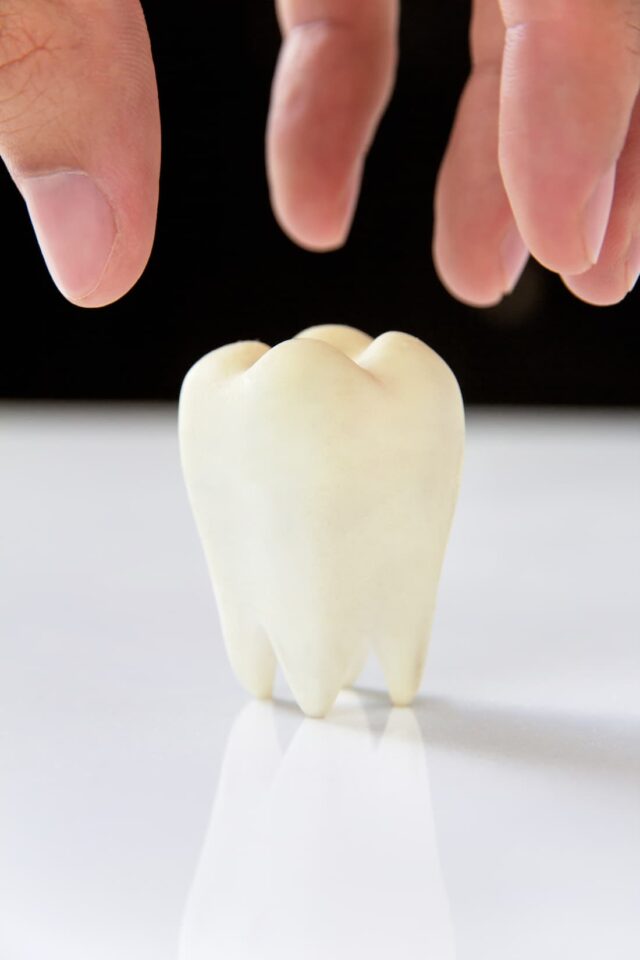
Restoring Chewing Functionality
Because the back of the mouth handles the majority of pressure during meals, a Dental Implant Molar Tooth is designed with high-strength materials to ensure you can eat without restriction. Traditional dentures or bridges often fail to provide the same level of stability, whereas this specialized implant feels and functions exactly like a natural tooth.
Preventing Bone Loss and Shifting
One of the hidden dangers of a missing back tooth is the gradual resorption of the jawbone. Choosing a Dental Implant Molar Tooth stops this process because the implant mimics the root of a natural tooth, signaling the body to keep the bone tissue dense and healthy.
The Procedure for Placing a Molar Implant
The process of getting a Dental Implant Molar Tooth is a multi-step journey that ensures the final restoration is both comfortable and permanent. While it takes several months to complete, the results are life-changing for patients with missing molars.
Initial Consultation and Bone Grafting
The first step in acquiring a Dental Implant Molar Tooth is a comprehensive exam to determine if your jawbone is thick enough to support the titanium post. In some cases, if the molar has been missing for a long time, a bone graft may be necessary to create a solid foundation for the implant.
Surgical Placement and Healing
Once the jaw is ready, the dentist surgically inserts the post into the bone. A crucial phase called osseointegration then begins, where the bone actually grows around the hardware. This healing period is vital for a Dental Implant Molar Tooth to become a permanent part of your anatomy.
Final Crown Attachment
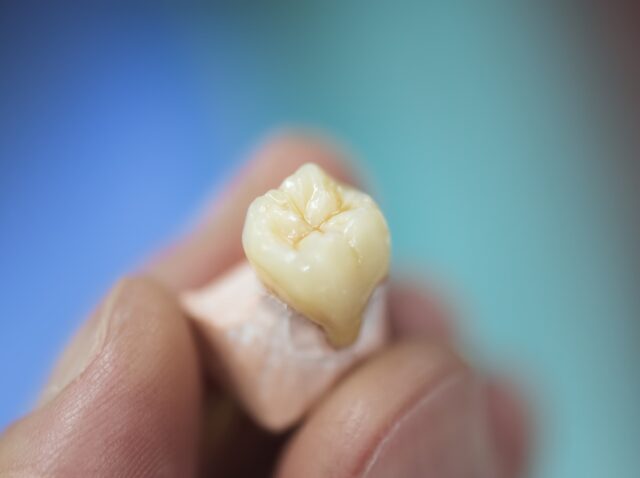
After the area has fully healed, a custom-made porcelain or zirconia crown is attached to the implant. This crown is specifically shaped to match the contours of your other molars, completing your Dental Implant Molar Tooth and restoring your ability to chew with confidence.
Longevity and Maintenance of Your Molar Implant
To ensure that your investment stays secure for a lifetime, understanding the long-term care of the restoration is just as important as the surgery itself. A well-maintained Dental Implant Molar Tooth acts as a barrier against further oral health decline.
Daily maintenance involves the same care you would give to natural teeth, such as thorough brushing and flossing around the base of the crown. Since a Dental Implant Molar Tooth is resistant to cavities, your primary focus should be on keeping the surrounding gum tissue healthy to prevent peri-implantitis.
Cost Factors of Molar Implants
Understanding the financial investment required for a Dental Implant Molar Tooth is a common concern for many patients. Several variables can influence the final price of the procedure.
-
Material Quality: Using high-grade titanium or zirconia for a Dental Implant Molar Tooth ensures longevity but may increase the initial cost.
-
Additional Procedures: The need for sinus lifts or bone grafts before placing the implant can add to the total expense.
-
Clinic Location: Costs can vary significantly depending on whether you receive your treatment in a specialized surgical center or a general dental office.
Frequently Asked Questions About Molar Implants
Many patients are curious about the long-term expectations and the recovery process involved with this specific type of dental restoration.
How long does a Dental Implant Molar Tooth last?
With proper oral hygiene and regular dental checkups, the post of a Dental Implant Molar Tooth can last a lifetime. The crown may need replacement after 10-15 years due to normal wear, but the implant post itself is designed to be permanent.
Is the surgery for a molar implant painful?
The procedure for a Dental Implant Molar Tooth is performed under local anesthesia or sedation, so you will not feel pain during the surgery. Most patients report only mild discomfort during the recovery phase, which is easily managed with standard pain relievers.
Can I get a Dental Implant Molar Tooth if I have bone loss?
Yes, even if you have experienced bone thinning, modern techniques like bone grafting can rebuild the area to successfully support a Dental Implant Molar Tooth. Your dentist will evaluate your jaw health during the initial consultation.
What is the success rate of a Dental Implant Molar Tooth?
Molar implants have an incredibly high success rate, typically above 95%. Success depends largely on the patient’s overall health and their commitment to keeping the area around the Dental Implant Molar Tooth clean and free of plaque.
Latest Blogs