
Dental erosion is the irreversible loss of tooth enamel caused by direct chemical dissolution from acids not produced by oral bacteria. Unlike tooth decay, this condition involves the structural melting of the tooth due to frequent contact with acidic substances from diet, lifestyle, or medical issues. As enamel thins, it exposes the sensitive dentin, leading to hypersensitivity and aesthetic loss; therefore, identifying early signs and implementing a dental erosion management plan is essential for preserving a functional and healthy smile.
- 1 Different Types and Causes of Tooth Wear
- 2 What Are the Symptoms of Enamel Erosion?
- 3 Treatment Methods for Tooth Wear
- 4 Ways to Protect Tooth Enamel Against Wear
- 5 The Long-Term Impact of Untreated Dental Erosion
- 6 Frequently Asked Questions
- 6.1 Can my teeth recover from dental erosion on their own?
- 6.2 Is sparkling water as bad for my teeth as regular soda?
- 6.3 Why do my teeth feel sensitive even without cavities?
- 6.4 What is the best toothbrush to prevent further wear?
- 6.5 Latest Blogs
- 6.5.0.1 Sports Dentistry: Protecting Your Smile During Athletic Performance
- 6.5.0.2 Dental Erosion: A Comprehensive Guide to Causes, Symptoms, and Modern Treatments
- 6.5.0.3 Millie Bobby Brown Teeth: The Natural Glow-Up of a Gen Z Icon
- 6.5.0.4 Cardi B Teeth: The Iconic Dental Transformation of a Superstar
Different Types and Causes of Tooth Wear
The landscape of tooth wear is complex, and dental erosion often acts as a catalyst that accelerates mechanical damage. While some wear is a natural consequence of aging, the rise in erosive patterns is largely attributed to modern dietary habits and metabolic health issues. To effectively treat the condition, dental professionals categorize the loss based on whether the forces are chemical, mechanical, or a destructive combination of both.
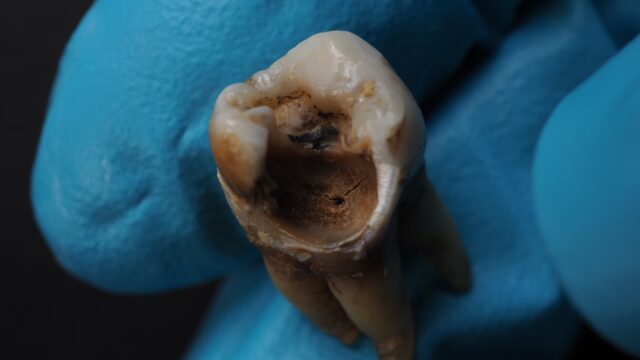
Acidic Erosion (Dietary and Gastric Acid Effects)
Dietary habits are the primary culprits behind the rising prevalence of dental erosion today. Frequent consumption of carbonated soft drinks, energy drinks, and high-acid fruits creates an environment where the mouth’s pH level drops below the critical threshold of 5.5. At this point, the enamel begins to dissolve chemically.
Beyond external factors, internal health plays a massive role in dental integrity. Individuals suffering from acid reflux (GERD), chronic alcoholism, or certain eating disorders frequently expose their teeth to highly corrosive stomach acid. This internal acid can cause rapid and extensive dental erosion on the inner surfaces of the teeth, often before the patient notices any change.
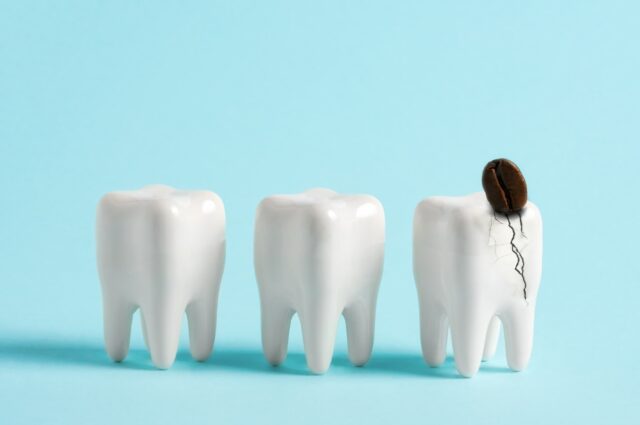
Abrasion and Attrition (Incorrect Brushing and Tooth Contact)
While dental erosion is a chemical process, it is often worsened by mechanical forces like abrasion and attrition. Abrasion occurs when enamel is worn away by physical friction, most notably through hard-bristled toothbrushes or aggressive brushing techniques. These habits literally scrub the softened enamel away.
Attrition is the wear caused by direct tooth-to-tooth contact, commonly seen in patients who suffer from bruxism. When teeth are already chemically softened by dental erosion, these mechanical actions become exponentially more damaging. This leads to flat chewing surfaces and a noticeable shortening of the teeth over time.
What Are the Symptoms of Enamel Erosion?
Early stages of dental erosion are difficult to detect because changes happen at a microscopic level. Initially, teeth may lose their natural luster and appear dull as the smooth surface becomes etched by acid. As it progresses, the edges of front teeth may look translucent or “glass-like.”
The overall color of the teeth starts to yellow because the white enamel layer has thinned enough to reveal the darker dentin underneath. A telling clinical sign is “cupping”—small, rounded indentations on the biting surfaces of molars. These marks indicate where the softer dentin has eroded faster than the surrounding enamel walls.
Treatment Methods for Tooth Wear
Because tooth enamel lacks living cells and cannot regenerate, dental erosion treatment focuses on stabilization and restoration. Modern restorative dentistry offers pathways to reconstruct a smile, ranging from conservative topical therapies to full-mouth rehabilitations. The chosen intervention is always tailored to the patient’s specific level of tissue loss.
Bonding and Composite Restorations
For patients with localized or moderate dental erosion, dental bonding using high-strength composite resins is the preferred first line of defense. This procedure involves applying a tooth-colored resin that mimics the physical properties and appearance of natural enamel. It provides an immediate shield against acid.
Bonding effectively seals the exposed dentin, providing an end to the sharp pain associated with thermal sensitivity. Because composite resins can be layered and polished to a high shine, this form of dental erosion treatment offers an excellent aesthetic result without requiring extensive tooth reduction.
Fluoride Applications and Protective Coatings
In cases where dental erosion is caught early, the goal is to harden the existing enamel against future acid challenges. Professional-grade fluoride varnishes are applied in the dental office to promote the remineralization of the tooth surface. These are much stronger than over-the-counter options.
Additionally, dentists may recommend specialized protective coatings that act as a sacrificial barrier. These thin layers take the brunt of the acid attack, sparing the underlying enamel from direct chemical dissolution. Such coatings significantly slow the progress of dental erosion in high-risk patients.
Ways to Protect Tooth Enamel Against Wear
Developing a proactive defense strategy is the only way to ensure that dental erosion does not return after treatment. Patients are encouraged to use a straw for acidic drinks to minimize contact with teeth. Rinsing with water after eating helps neutralize the pH levels in the mouth quickly.
Oral hygiene routines must also be adjusted for safety. Waiting at least 60 minutes to brush after consuming something acidic is vital. Since enamel is temporarily softened by acid, brushing too soon can actually accelerate dental erosion by scrubbing the softened minerals away.
The Long-Term Impact of Untreated Dental Erosion
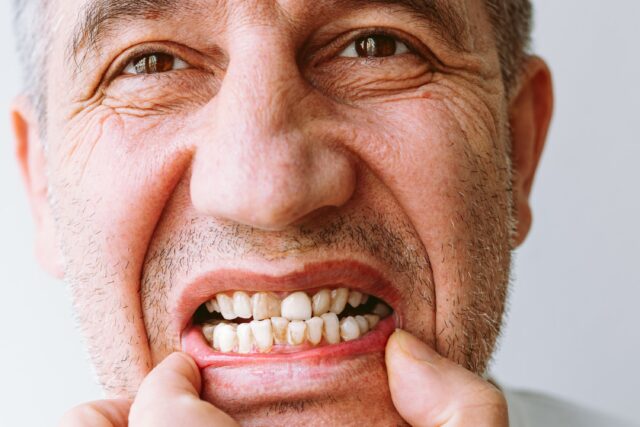
Neglecting dental erosion can lead to a total breakdown of the dental arch, requiring expensive prosthetic interventions. As enamel disappears, teeth become prone to fractures and decay because the protective shield is gone. Bacteria can then easily reach the inner layers of the tooth.
Furthermore, the loss of tooth height can lead to changes in the jaw joint (TMJ) and facial aesthetics. The lower third of the face may begin to collapse as the teeth shorten. Early intervention is not just about a beautiful smile; it is about maintaining the biological health of the entire jaw system.
Frequently Asked Questions
Understanding the nuances of enamel health can help you take the necessary steps to prevent irreversible damage to your teeth.
Can my teeth recover from dental erosion on their own?
No; once enamel is chemically dissolved, the body cannot replace it. Professional dental intervention is the only way to restore lost structure.
Is sparkling water as bad for my teeth as regular soda?
While sparkling water lacks sugar, it is still acidic due to carbonation. It can contribute to dental erosion if consumed frequently throughout the day.
Why do my teeth feel sensitive even without cavities?
Sensitivity is a primary symptom of dental erosion. As enamel thins, microscopic tubules in the dentin are exposed, allowing temperature changes to reach the nerve.
What is the best toothbrush to prevent further wear?
To avoid aggravating dental erosion, you should use a soft-bristled toothbrush and apply gentle, circular pressure rather than a horizontal scrubbing motion.
Latest Blogs