
Gummy smile correction is a transformative cosmetic dental procedure designed to balance the proportions between your teeth and gum tissue for a more harmonious look. Many patients feel self-conscious when excessive tissue is exposed while smiling, but modern dentistry offers highly effective solutions like Botox and gingivectomy to address this concern. While Botox provides a non-surgical, temporary fix by relaxing the muscles that lift the upper lip, a gingivectomy is a permanent procedure that physically reshapes the gum line. Choosing the right method depends on your unique anatomy, recovery preferences, and long-term aesthetic goals.
- 1 Understanding the Causes of a Gummy Smile
- 2 Gummy Smile Correction with Botox: The Non-Surgical Approach
- 3 Gummy Smile Correction with Gingivectomy: The Permanent Solution
- 4 Comparing Botox and Gingivectomy: Which Is Best for You?
- 5 Achieving Your Most Balanced Smile Yet
- 6 Frequently Asked Questions
- 6.1 Latest Blogs
- 6.1.0.1 Dental Implants Turkey Cost 2026: Premium Solutions with Medentika and Amann Girrbach
- 6.1.0.2 Jacob Elordi Teeth: The Secrets Behind the Hollywood Smile
- 6.1.0.3 Dua Lipa Teeth: The Evolution of a Global Pop Icon’s Smile
- 6.1.0.4 The Oral Bio-Hacking Guide to Health: Peptide Therapy and Microbiome Balancing
Understanding the Causes of a Gummy Smile
Before selecting a treatment, it is essential to understand why this condition occurs, as the cause dictates which technique will be more effective. A smile is generally considered “gummy” when more than three to four millimeters of tissue are visible during a natural expression. This condition stems from several different anatomical factors that require a professional eye to diagnose correctly.
-
Hyperactive Upper Lip: The muscles controlling the upper lip are overly strong, causing the lip to retract too far upward.
-
Alveolar Bone Overgrowth: The underlying jawbone is longer than average, pushing the entire complex further down over the teeth.
-
Abnormal Tooth Eruption: Teeth do not fully emerge from the tissue during development, leaving the enamel hidden.
-
Gingival Hyperplasia: This is the actual overgrowth of tissue, often caused by certain medications or chronic inflammation.
Identifying these factors through a clinical examination is the first step in successful treatment. A dentist will evaluate your lip mobility and tooth length to determine if you need a muscle-relaxing approach or a tissue-removal approach. Understanding these components ensures that the gummy smile correction result looks natural and lasts as long as possible.
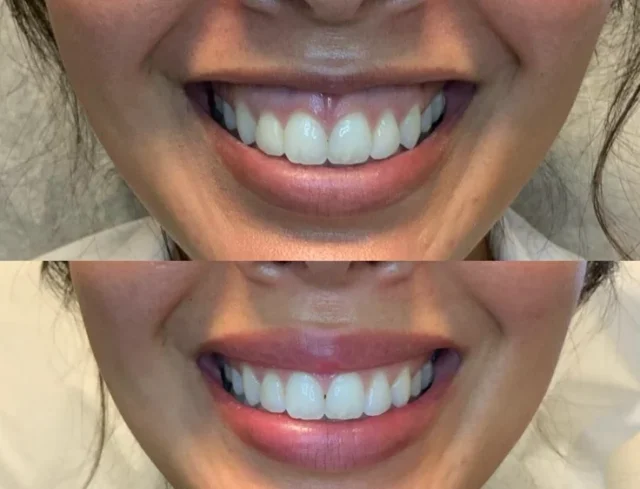
Gummy Smile Correction with Botox: The Non-Surgical Approach
This popular “lunchtime” procedure is ideal for those whose issues are primarily muscular. This treatment offers a way to alter the smile’s appearance without the need for anesthesia, incisions, or a lengthy recovery period. By targeting the specific muscles that pull the lip upward, Botox creates a softer, more controlled appearance. It is an ideal entry point for patients curious about gummy smile correction who are not yet ready for surgery.
How the Botox Procedure Works
The process for addressing the smile with neurotoxins is quick, usually taking less than fifteen minutes. The practitioner identifies injection points in the nasolabial fold area and injects a purified form of botulinum toxin into the levator labii superioris muscle.
The results are not immediate; it typically takes three to seven days for the muscle relaxation to begin and up to two weeks for the effect to stabilize. During this time, the muscle gradually loses its ability to contract forcefully, meaning when you smile, your lip stays lower, effectively masking the excess tissue. This change in muscle dynamics is what makes gummy smile correction via neurotoxins so effective for hyperactive lips.
Pros and Cons of Using Botox for Gums
Choosing Botox offers specific advantages but also comes with limitations that patients must weigh carefully.
-
Immediate Recovery: There is no downtime; you can return to your daily routine immediately after the session.
-
Non-Invasive Nature: For patients with a phobia of surgery, this is a stress-free alternative.
-
Temporary Results: Botox is not permanent; the body naturally breaks down the toxin over three to six months, requiring regular maintenance.
-
Scope of Treatment: Botox only addresses lip movement, acting only as a temporary mask for gummy smile correction if the issue is skeletal.
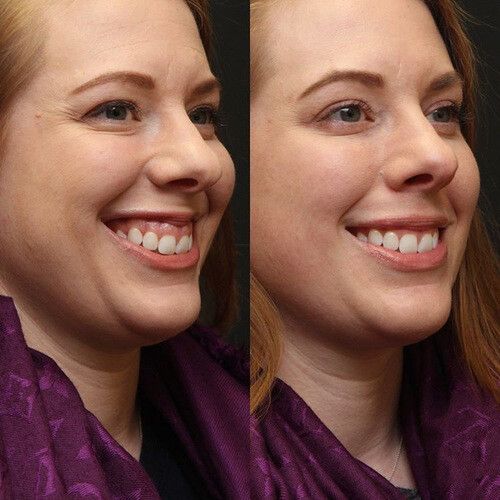
Gummy Smile Correction with Gingivectomy: The Permanent Solution
Gingivectomy is a technologically advanced method involving the physical removal of excess tissue. This is the gold standard for patients whose teeth appear too small because they are buried beneath a thick layer of gingiva. Unlike Botox, which affects the lip, a gingivectomy changes the gums to achieve permanent gummy smile correction.
The Surgical and Laser Gingivectomy Process
During the procedure, a specialist uses a soft-tissue laser to trim and reshape the gum line. Modern clinical practices almost exclusively use lasers because they are incredibly precise. The laser vaporizes unwanted tissue while simultaneously cauterizing the remaining edge, which minimizes post-operative swelling and bleeding.
The procedure is performed under local anesthesia to ensure total patient comfort. The dentist follows a planned “smile map” to ensure the new gum line is symmetrical and follows the natural curve of the teeth. Once the excess tissue is removed, the hidden part of the tooth is revealed, creating an instant improvement through permanent gummy smile correction.
Recovery and Aftercare Following Gingivectomy
Since a gingivectomy involves physical tissue removal, the recovery for this gummy smile correction is more involved than Botox but remains manageable.
-
Initial Care Phase: For the first 72 hours, avoid spicy or crunchy foods that could irritate the healing tissue.
-
Gentle Hygiene: Use an ultra-soft toothbrush and avoid the surgical site for the first few days while using a prescribed mouthwash.
-
Permanent Investment: The results are permanent; once the excess tissue is removed through gummy smile correction, it does not grow back.
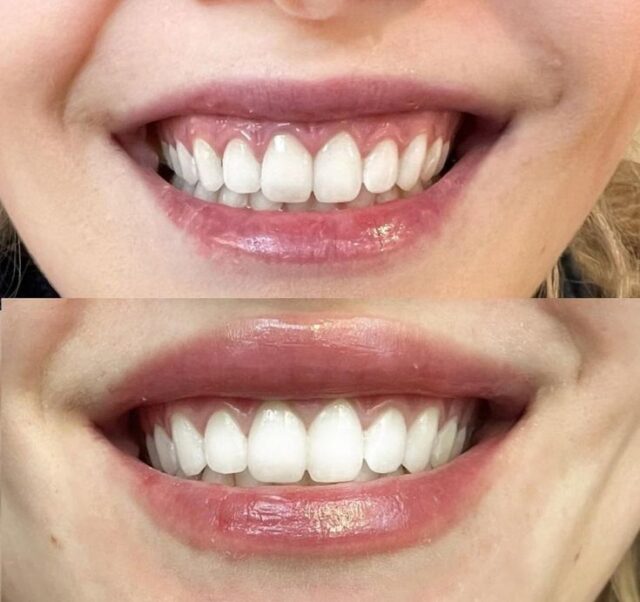
Comparing Botox and Gingivectomy: Which Is Best for You?
The best method for gummy smile correction depends on your anatomy. If your teeth are the correct size but your lip travels too high, Botox is a fantastic, low-commitment option. However, if your teeth appear short and “boxy,” a gingivectomy is the only way to achieve a true gummy smile correction. This procedure addresses the anatomy of the mouth rather than just the movement of the face. While the upfront cost is higher, it proves more economical over time compared to getting Botox every few months for gummy smile correction.
Achieving Your Most Balanced Smile Yet
Gummy smile correction is a highly effective way to significantly boost your self-esteem and facial harmony. Whether you choose the quick muscle relaxation of Botox or the permanent reshaping of a laser gingivectomy, both methods offer safe and predictable results. By understanding your specific dental needs and the causes behind your smile’s appearance, you can achieve a balanced, confident smile that reflects your true personality. Investing in gummy smile correction is about feeling comfortable in your own skin every time you smile.
Frequently Asked Questions
Find quick answers to the most common inquiries regarding the best ways to achieve a balanced and confident smile through modern dental techniques.
Is gummy smile correction painful?
Botox involves a simple pinch with no downtime, while a gingivectomy is performed under local anesthesia to ensure a completely painless gummy smile correction experience.
How long does gummy smile correction last?
Botox-based gummy smile correction typically lasts 3 to 6 months, whereas a surgical gingivectomy provides a permanent solution that lasts a lifetime.
Will insurance cover gummy smile correction?
Most providers classify gummy smile correction as an elective cosmetic procedure and do not offer coverage unless it is medically necessary.
Can I combine both treatments for gummy smile correction?
Many patients combine both procedures to simultaneously lengthen the tooth surface and limit excessive lip movement for the best gummy smile correction result.
Latest Blogs