
Dental sedation has transformed the experience of visiting the dentist, offering a vital solution for millions of patients who suffer from dental anxiety or phobia. By using various pharmacological methods to induce a state of relaxation or a dream-like sleep, dentists can perform complex procedures while the patient remains entirely comfortable and stress-free. Whether you are undergoing a simple cleaning or extensive oral surgery, understanding the different levels of dental sedation can help you regain control over your oral health without the burden of fear. This guide explores the types of assistance available, how they work, and why “sleep dentistry” is becoming the gold standard for patient-centered care.
- 1 Understanding the Different Levels of Dental Sedation
- 2 Common Types of Dental Sedation Used in Clinics
- 3 The Benefits of Sedation for Dental Phobia
- 4 What to Expect During Deep Sleep Dentistry
- 5 Is Dental Sedation Safe for Everyone?
- 6 Reclaiming Your Smile Through Sedation
- 7 Frequently Asked Questions
- 7.1 Latest Blogs
- 7.1.0.1 Dental Implants Turkey Cost 2026: Premium Solutions with Medentika and Amann Girrbach
- 7.1.0.2 Jacob Elordi Teeth: The Secrets Behind the Hollywood Smile
- 7.1.0.3 Dua Lipa Teeth: The Evolution of a Global Pop Icon’s Smile
- 7.1.0.4 The Oral Bio-Hacking Guide to Health: Peptide Therapy and Microbiome Balancing
Understanding the Different Levels of Dental Sedation
Not all patients require the same level of relaxation, which is why dental sedation is categorized into four main stages ranging from mild calmness to full unconsciousness. The choice depends on the patient’s anxiety level, the complexity of the dental work, and the patient’s overall medical history.
-
Minimal Sedation: The patient is awake but feels a deep sense of relaxation; they can still respond to verbal commands and physical cues.
-
Moderate Sedation: Formerly called “conscious sedation,” the patient may slur their words and will likely not remember much of the procedure.
-
Deep Sedation: The patient is on the edge of consciousness but can still be awakened if necessary.
-
General Anesthesia: The patient is completely unconscious and requires breathing assistance, typically reserved for major hospital-based surgeries.
Identifying the right level of dental sedation is a collaborative process between you and your dental specialist. Most office-based procedures rely on minimal to moderate levels to ensure safety while providing a painless experience.

Common Types of Dental Sedation Used in Clinics
Modern dentistry utilizes several delivery methods, each offering unique benefits in terms of onset time and recovery. Depending on whether you prefer a needle-free experience or a deeper state of relaxation, your dentist will recommend the most suitable path for dental sedation.
Inhalation Sedation: Nitrous Oxide
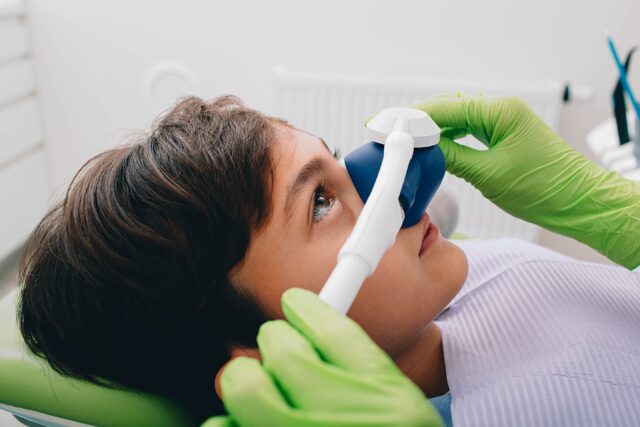
Commonly known as “laughing gas,” this is the most frequent form of dental sedation used for both children and adults. The gas is inhaled through a mask placed over the nose, and its effects are felt almost instantly, creating a sense of euphoria and lightheartedness. One of the primary advantages of this method is that it wears off within minutes of removing the mask, allowing patients to drive themselves home after the appointment.
Oral Sedation: The “Magic” Pill
Oral dental sedation involves taking a prescribed sedative, usually from the benzodiazepine family, about an hour before the procedure starts. Depending on the dose, this can result in minimal to moderate relaxation, where the patient feels extremely drowsy and may even fall into a light sleep during the treatment. Because it takes longer to leave the system, patients using this oral method must have a companion to drive them to and from the clinic.

The Benefits of Sedation for Dental Phobia
For many, the fear of the dentist is so intense that they avoid treatment for years, leading to severe decay and tooth loss. Dental sedation breaks this cycle of avoidance by eliminating the sensory triggers—such as the sound of the drill or the sight of needles—that cause panic.
Pain Management and Comfort
The most obvious benefit of dental sedation is the significant reduction in physical discomfort. Sedatives often raise the patient’s pain threshold and prevent the body from entering a “fight or flight” mode during the procedure. This allows the dentist to work more efficiently, often completing multiple treatments in a single visit that would otherwise require several appointments, saving the patient time and emotional energy.
Gag Reflex and Movement Control
Patients with a hyperactive gag reflex or those with conditions like Parkinson’s disease find dental sedation life-changing. By relaxing the muscles and the central nervous system, it ensures that the mouth remains steady and the gag reflex is suppressed. This provides the dentist with a stable environment to perform high-precision work, such as placing implants or intricate crown fittings, with much higher success rates.
What to Expect During Deep Sleep Dentistry
Deep sleep dentistry, a form of IV dental sedation, is the ultimate choice for those who want to “wake up with a new smile” without any memory of the process. This method involves administering sedative drugs directly into the bloodstream through a vein, allowing the dentist to adjust the level of relaxation instantly.
The Procedure and Monitoring
Once the IV dental sedation is administered, you will quickly drift into a state of profound relaxation. Throughout the entire process, a dedicated professional monitors your vitals, including heart rate, blood pressure, and oxygen levels, to ensure maximum safety. While you are technically “asleep,” you are still breathing on your own, making it a safer alternative to general anesthesia for most healthy individuals.
Recovery and Post-Operative Care
After the medication is stopped, you will spend some time in a recovery room as the grogginess fades. It is common to feel slightly disoriented or “fuzzy” for a few hours, and most patients experience retrograde amnesia, meaning they have zero memory of the dental work. Because the effects of IV dental sedation linger, it is mandatory to rest for the remainder of the day and avoid operating heavy machinery.
Is Dental Sedation Safe for Everyone?
While dental sedation is highly safe when performed by trained professionals, it is not a “one-size-fits-all” solution. A thorough medical consultation is required to screen for potential contraindications, such as respiratory issues, pregnancy, or allergies to specific sedative medications.
Your dentist will review your current medications and past experiences with anesthesia before clearing you for dental sedation. For most patients, the risks are minimal compared to the immense health benefits of receiving necessary dental care. Transparency about your health history is the best way to ensure a smooth and safe “sleep dentistry” experience.
Reclaiming Your Smile Through Sedation
In conclusion, dental sedation is more than just a luxury; it is a vital healthcare tool that makes modern dentistry accessible to everyone, regardless of their anxiety levels. By choosing the right level, you can undergo complex procedures in a state of total peace, ensuring your teeth and gums stay healthy without the trauma of fear. If you have been putting off the dentist, speak to a clinic that specializes in dental sedation to discover how you can achieve your dream smile while you sleep.
Frequently Asked Questions
Find quick answers to common questions about using sedative methods to ensure a comfortable and stress-free dental experience.
Am I actually asleep during dental sedation?
Most forms of dental sedation keep you in a state of deep relaxation where you can still respond to cues, though you will likely feel as if you were asleep.
How long does it take for dental sedation to wear off?
While nitrous oxide wears off in minutes, oral and IV dental sedation typically require several hours for the grogginess to fully disappear.
Can children receive dental sedation for their treatments?
Yes, dental sedation is commonly used for children to help them remain still and calm during procedures, provided it is administered by a pediatric specialist.
Will I feel any pain with dental sedation?
Even with dental sedation, local anesthetics are usually used to numb the area, ensuring you feel absolutely no pain throughout the procedure.
Latest Blogs