
Charcoal toothpaste has gained massive popularity as a natural alternative to traditional whitening, promising to remove deep stains using the porous power of activated carbon. While many are drawn to its unique black appearance and promise of quick results, it primarily works as a mechanical abrasive that scrubs surface stains rather than a chemical bleach. Understanding the balance between immediate aesthetic gain and long-term enamel protection is crucial before making it a permanent part of your dental routine. This guide explores the science, benefits, and potential risks associated with using this product to achieve a brighter smile.
- 1 What is Charcoal Toothpaste and How Does It Work?
- 2 The Pros and Cons of Using Charcoal Toothpaste
- 3 Comparing Charcoal Toothpaste with Professional Whitening
- 4 How to Use Charcoal Toothpaste Safely
- 5 Finding the Right Balance for a Brighter Smile
- 6 Frequently Asked Questions
- 6.1 Latest Blogs
- 6.1.0.1 Dental Implants Turkey Cost 2026: Premium Solutions with Medentika and Amann Girrbach
- 6.1.0.2 Jacob Elordi Teeth: The Secrets Behind the Hollywood Smile
- 6.1.0.3 Dua Lipa Teeth: The Evolution of a Global Pop Icon’s Smile
- 6.1.0.4 The Oral Bio-Hacking Guide to Health: Peptide Therapy and Microbiome Balancing
What is Charcoal Toothpaste and How Does It Work?
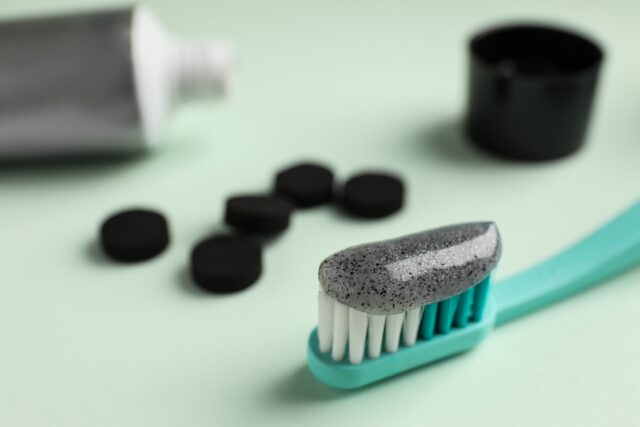
To understand this product, it is essential to distinguish between regular charcoal and the “activated” version used in dental care. Activated charcoal is processed at extremely high temperatures to create a vast network of microscopic pores, significantly increasing its surface area. This unique structure allows it to bind to various substances, making it a powerful tool for cleaning.
The Porous Structure of Activated Charcoal
The effectiveness of charcoal toothpaste relies on a process called adsorption, where the carbon’s tiny pores act like magnets for organic compounds. When you brush, these pores trap surface-level tannins found in coffee, tea, and red wine, pulling them away from the tooth enamel. This physical binding is what provides the instant “clean” feeling and visible brightness many users report after their first few uses.
Surface Stain Removal vs. Internal Bleaching
It is vital to note that charcoal toothpaste only addresses extrinsic stains on the outer surface of the teeth. Unlike professional treatments that use peroxide to penetrate the enamel and change the tooth’s internal color, these formulas are purely mechanical. They can polish away a yellow film caused by diet or smoking, but they cannot alter the genetic shade of your dentin or remove deep-seated internal stains.
The Pros and Cons of Using Charcoal Toothpaste
While charcoal toothpaste is an effective tool for some, it is not without its controversies in the dental community. The appeal lies in its natural origins and affordability, but the mechanical action required to lift stains can be a double-edged sword for your oral health.
Instant Results for Surface Stains
The primary advantage of charcoal toothpaste is its ability to deliver rapid results for those with heavy surface discoloration. Because the particles are highly abrasive, they act as a gentle buffer, removing the dull layer of plaque and debris that accumulates over time. This creates a high-contrast brightness that makes the teeth appear significantly whiter and more polished in a very short period.
Risks of Enamel Erosion and Sensitivity
The most significant risk is the high level of abrasivity, which can wear down tooth enamel over time. Enamel is the thin, protective outer layer that does not regenerate; once it is scrubbed away, the yellowish dentin underneath becomes exposed. This not only makes the teeth look darker eventually but also leads to increased sensitivity to temperature changes and a higher risk of decay.
Comparing Charcoal Toothpaste with Professional Whitening
When comparing charcoal toothpaste to clinical whitening, the difference lies in the safety of the delivery method and the depth of the results. Professional systems are designed to be “enamel-safe,” using chemical oxygenation rather than mechanical friction to brighten the teeth.
Why Dentists Are Cautious About Charcoal
Dentists often warn against the daily use of charcoal toothpaste because many of these products lack fluoride, the mineral essential for strengthening enamel. Without fluoride, the teeth become more vulnerable to cavities, especially when the outer layer is being thinned by abrasive carbon. Additionally, charcoal particles can become lodged in dental work or small cracks, leaving behind unsightly gray or black lines that are difficult to clean.
The Long-Term Safety of Professional Treatments
Professional whitening treatments are performed under controlled conditions with customized trays that protect the gums. Unlike the “one-size-fits-all” abrasivity of charcoal toothpaste, clinical methods use safe concentrations of bleaching agents to lift stains from within the tooth structure. This ensures a more uniform, long-lasting result without the structural wear and tear associated with scrubbing with carbon powder.
How to Use Charcoal Toothpaste Safely
If you want to incorporate this substance into your routine, it should be treated as a supplemental treatment rather than a daily habit. Using it as an occasional polish can help manage surface stains without causing irreversible damage to your protective enamel.
Frequency and Brushing Techniques
To minimize risks, never use charcoal toothpaste more than once a week. You should continue to use a standard fluoride toothpaste for your regular daily cleaning to ensure your teeth remain mineralized and protected against decay. When using these products, use a soft-bristled toothbrush and very gentle pressure to avoid excessive friction on the enamel surface.
Alternative Natural Whitening Methods
For those seeking natural brightness without the risks of charcoal toothpaste, baking soda is a less abrasive alternative for weekly polishing. Maintaining excellent oral hygiene, flossing daily, and rinsing with water after consuming staining drinks like coffee are also effective ways to prevent buildup. These habits address the cause of stains rather than relying on aggressive mechanical removal.
Finding the Right Balance for a Brighter Smile
In conclusion, charcoal toothpaste can be a useful tool for removing stubborn surface stains when used sparingly and with caution. However, it is not a substitute for professional dental care or a replacement for fluoride-based cleaning routines. By balancing occasional use with professional whitening treatments and a consistent oral hygiene habit, you can enjoy a radiant, white smile while keeping your enamel strong and healthy for years to come.
Frequently Asked Questions
Find quick answers to the most common inquiries regarding the use of activated carbon for natural whitening and daily oral health.
Does charcoal toothpaste actually whiten teeth?
Charcoal toothpaste removes surface-level stains through mechanical abrasion but cannot change the natural internal color of your teeth.
Can I use charcoal toothpaste every day?
Daily use is not recommended as the high abrasivity of charcoal toothpaste can permanently thin your enamel and cause severe sensitivity.
Is charcoal toothpaste safe for dental veneers or crowns?
You should avoid using charcoal toothpaste on veneers or crowns because the abrasive particles can scratch the porcelain surface and cause dark edges.
Does charcoal toothpaste prevent cavities?
Most charcoal toothpaste brands do not contain fluoride, which is necessary to remineralize the teeth and provide effective protection against tooth decay.
Latest Blogs