
Dental scaling is a vital preventive procedure that removes stubborn plaque and tartar from surfaces brushing cannot reach. By cleaning above and below the gumline, it effectively stops gum disease and protects your overall oral health. This treatment serves as a critical defense against tooth loss and chronic inflammation, ensuring your natural smile stays healthy and strong for years to come.
- 1 What is Dental Scaling?
- 2 Why Dental Scaling is Essential for Oral Health?
- 3 The Dental Scaling Process Explained
- 4 Benefits of Regular Dental Scaling
- 5 Potential Side Effects and Aftercare
- 6 How Often Should You Get Dental Scaling?
- 7 Frequently Asked Questions
What is Dental Scaling?
Dental scaling is a specialized cleaning procedure performed by a dental professional to remove hardened mineral deposits known as tartar or calculus. Unlike soft plaque, which can be removed with a toothbrush, tartar bonds strongly to the enamel and can only be detached using professional ultrasonic or manual instruments.
This process targets both the visible parts of the tooth and the hidden areas where bacteria tend to colonize. By ensuring that the environment around the gums remains healthy and free of infection-causing pathogens, scaling acts as a deep clean for your entire mouth.
Why Dental Scaling is Essential for Oral Health?
Maintaining optimal oral health requires more than just home care; it necessitates periodic professional intervention to address the biological buildup that occurs over time. Dental scaling is essential because it directly addresses the root causes of gum inflammation and tooth decay by removing the bacterial bio-film that irritates the soft tissues.
Without this intervention, the mouth becomes a breeding ground for infections that can eventually affect the bone structure supporting the teeth. Regular removal of these deposits is the only way to ensure that the foundation of your smile remains strong and healthy.
- It prevents the onset of gingivitis by removing the irritants that cause redness and swelling in the gums.
- The procedure significantly reduces the risk of developing periodontitis, which leads to bone loss.
- By eliminating odor-causing bacteria trapped in tartar, scaling helps in curing persistent halitosis.
- It protects the tooth enamel from the acidic byproducts of bacteria, lowering the incidence of cavities.
- The process allows dentists to inspect the mouth more clearly for early detection of other potential issues.
Regularly scheduled scaling sessions ensure that your smile remains bright and your gums stay resilient against daily bacterial exposure.
The Dental Scaling Process Explained
The procedure of dental scaling is a systematic approach to cleaning that involves several detailed steps to ensure every surface of the tooth is addressed. This comprehensive process typically begins with Ultrasonic Scaling to remove bulk deposits and is followed by Manual Scaling and Root Planing for detailed refinement.
Dentists or dental hygienists use a combination of modern technology and manual precision to achieve a level of cleanliness that is impossible to replicate at home. The process is generally performed in a way that prioritizes patient comfort while maximizing the removal of harmful deposits.
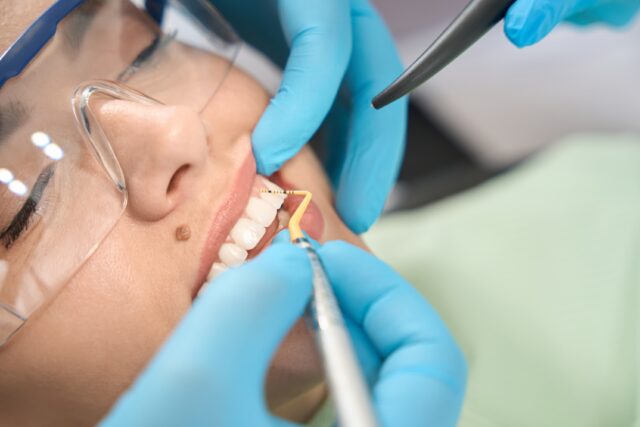
Ultrasonic Scaling
Ultrasonic scaling utilizes high-frequency vibrations combined with a continuous spray of water to break up large pieces of tartar. The vibrating tip of the instrument creates microscopic bubbles that collapse and release energy, which effectively destroys bacterial cell walls.
This technology is particularly useful for covering large surface areas quickly and flushing out debris from deep periodontal pockets. It makes the initial phase of the cleaning much more efficient and less abrasive for the patient compared to traditional manual methods.
Manual Scaling and Root Planing
Once the bulk of the tartar is removed via ultrasonic tools, manual scaling is employed to provide a finer level of detail. Using hand-held instruments called curettes and scalers, the dental professional meticulously scrapes away any remaining small deposits.
This is often followed by root planing, which involves smoothing out the surfaces of the tooth roots. Smooth root surfaces make it much more difficult for bacteria to re-attach in the future and allow the gum tissue to heal and reattach more firmly to the tooth.
Benefits of Regular Dental Scaling
The advantages of consistent dental scaling extend far beyond the immediate feeling of a clean mouth. Engaging in this preventive measure on a biannual basis contributes to a lifetime of healthy teeth and can even have positive implications for your general physical well-being.
By controlling the bacterial load in the mouth, you are essentially reducing the inflammatory burden on your entire body. This proactive approach saves you from both physical discomfort and the high costs of emergency dental care.
- Long-term preservation of natural teeth by preventing decay and bone loss.
- Enhanced aesthetic appearance as surface stains from coffee and tea are often removed.
- Significant financial savings over time by avoiding complex restorative procedures like implants.
- Reduced risk of systemic health issues like heart disease and diabetes linked to oral inflammation.
- Improved confidence in social interactions due to fresher breath and a cleaner smile.
Investing time in professional scaling is one of the most cost-effective ways to ensure your oral health does not become a liability as you age.
Potential Side Effects and Aftercare
While dental scaling is a safe and routine procedure, some patients may experience temporary sensations as their mouth adjusts to the deep cleaning. It is common to feel a slight increase in sensitivity to hot or cold temperatures immediately following the appointment.
This is usually because the layer of tartar that was covering the teeth has been removed, exposing the enamel to the environment for the first time in a while. Proper aftercare ensures these symptoms fade quickly.
- Mild gum tenderness or slight bleeding during the first 24 to 48 hours is normal as inflammation subsides.
- Increased sensitivity can be managed by using a desensitizing toothpaste for a few weeks.
- Rinsing with warm salt water can help soothe the gums and promote faster healing.
- Continuing a rigorous routine of brushing and flossing is crucial to prevent new plaque buildup.
- Avoiding highly acidic or sugary foods for a few days can prevent unnecessary irritation.
These side effects are transient and are a sign that the body is beginning the healing process now that the irritants are gone.
How Often Should You Get Dental Scaling?
The frequency of dental scaling depends largely on an individual’s oral hygiene habits, genetic predisposition to gum disease, and lifestyle factors. For most people with healthy gums, a professional cleaning every six months is the standard recommendation.
This interval allows the dentist to monitor any changes and catch potential problems before they escalate. Consistent visits ensure that tartar never has the chance to cause permanent damage to the bone or gum tissue.
However, certain individuals may require more frequent visits, perhaps every three or four months. This group includes smokers, diabetic patients, and those who have a history of chronic periodontitis. Your dentist will provide a personalized schedule based on your specific needs.
Frequently Asked Questions
Understanding the specifics of dental scaling can help alleviate any anxiety and encourage you to maintain your appointments regularly. Below are some of the most common questions patients ask regarding the tartar removal process.
Does dental scaling hurt during the procedure?
Most patients experience minimal discomfort during scaling, feeling only a vibrating sensation or mild scraping. If you have sensitive teeth or deep pockets, your dentist can apply a local anesthetic or numbing gel to ensure the process is completely pain-free.
How long does a typical scaling session take?
A standard scaling and polishing session usually takes between 30 to 60 minutes depending on the amount of tartar buildup. If there is significant calculus or advanced gum disease, the dentist may suggest splitting the treatment into two separate appointments.
Can dental scaling damage my tooth enamel?
No, professional scaling is designed to remove only the tartar and plaque without harming the enamel. The instruments used are specifically calibrated to clean the tooth surface safely, and when performed by a trained professional, it actually strengthens the tooth by removing harmful acids.
Will my teeth look whiter after dental scaling?
While scaling is not a whitening treatment, it often makes teeth look brighter by removing external stains from food and drinks. The primary goal is health, but the removal of yellowish tartar deposits naturally results in a cleaner and more attractive appearance.
Latest Blogs