
Teeth and gums are safeguarded by good oral health. Habits on a daily basis forego decay and gum disease. Dentists suggest easy habits that will make your mouth healthy. The steps minimize future problems with the tooth. Routine provides long term oral health.
- 1 Why Daily Oral Hygiene Matters
- 2 Brushing Techniques Recommended by Dentists
- 3 Flossing Daily for Better Gum Health
- 4 Mouthwash as a Supportive Tool
- 5 Cleaning the Tongue
- 6 Managing Sugar Intake
- 7 Drinking More Water
- 8 Chewing Sugar-Free Gum
- 9 Avoiding Smoking for Better Oral Health
- 10 Regular Dental Checkups
- 11 Protecting Teeth During Sports
- 12 Taking Care of Dental Restorations
- 13 Maintaining Healthy Gums
- 14 Nighttime Oral Care
- 15 FAQ: Essential Oral Hygiene
- 15.1 How often should I brush my teeth?
- 15.2 Do I need to floss every day?
- 15.3 Which toothpaste should I use?
- 15.4 Is mouthwash necessary?
- 15.5 How often should I visit the dentist?
- 15.6 Can diet affect my oral health?
- 15.7 Why does my mouth feel dry?
- 15.8 How can I reduce bad breath?
- 15.9 What toothbrush type do dentists recommend?
- 15.10 Are whitening products safe?
- 15.11 Latest Blogs
- 15.11.0.1 Sports Dentistry: Protecting Your Smile During Athletic Performance
- 15.11.0.2 Dental Erosion: A Comprehensive Guide to Causes, Symptoms, and Modern Treatments
- 15.11.0.3 Millie Bobby Brown Teeth: The Natural Glow-Up of a Gen Z Icon
- 15.11.0.4 Cardi B Teeth: The Iconic Dental Transformation of a Superstar
Why Daily Oral Hygiene Matters
Plaque and bacteria are eliminated in the process of daily care. This will protect the cavities and inflammation of the gum. Good habits make them less sensitive and bad breath. Dentists value prevention over treatment. Regularity contributes towards a good smile.
Brushing Techniques Recommended by Dentists
Twice a day brushing safeguards teeth. Use a soft brush for safety. Soft strokes are non-damaging and good at cleaning. Change your brush after every three months. Dentists emphasize on proper brushing of healthy gums.
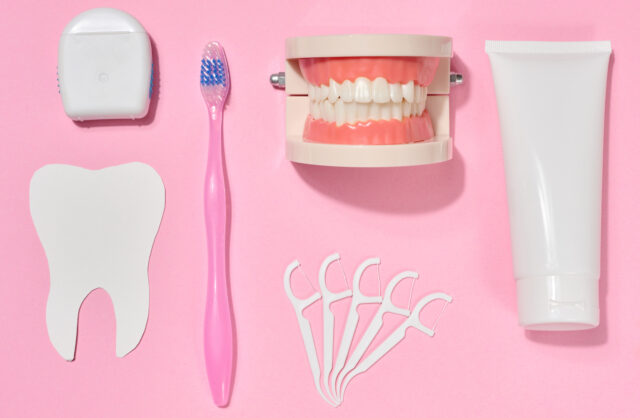
Proper Brushing Method
Use small circular motions. Wipe the front, back and chewing surface. Do not rush the process. Take at least two minutes brushing. Pay attention to plaque gathering sites.
Choosing the Right Toothbrush
Pick a soft-bristled brush. Rigid bristles can destroy enamel. Choose a brush that fits your mouth. The use of electric brushes can enhance cleaning success. Dentists advocate comfortable and smooth choices.
The Importance of Fluoride Toothpaste
Fluoride makes the enamel strong. It helps prevent decay. The majority of dentists are in favor of the regular use of fluoride. Apply with a pea-sized portion. Do not swallow toothpaste.
Flossing Daily for Better Gum Health
Removal of inter-dental plaque is done by flossing. These areas cannot be brushed out. Flossing helps to avoid gum disease. Light movements ensure the defense of delicate tissue. Flossing is so necessary, especially among dentists.
Proper Flossing Technique
Slide the floss gently. Curve it around each tooth. Clean below the gumline carefully. Avoid snapping the floss. Move to clean sections as you progress.

Mouthwash as a Supportive Tool
Mouthwash reduces bacteria. It cleanses air and maintains the health of the gums. Should not be used in place of brushing. Select alcohol-free alternatives to sensitive gums. Take the label instructions.
Cleaning the Tongue
The tongue holds bacteria. Clean it daily to prevent odor. Use a scraper or soft brush. Move from back to front gently. This improves freshness and hygiene.
Managing Sugar Intake
Sugar increases cavity risk. Limit sweet snacks and drinks. Rinse your mouth after consuming sugar. Combine treats with meals when possible. Dentists stress balanced nutrition.
Drinking More Water
Water hydrates and cleans the mouth. It helps wash away food particles. Choose water instead of sugary drinks. Fluoride water supports enamel. Dentists recommend frequent hydration.
Chewing Sugar-Free Gum
Sugar-free gum increases saliva. Saliva protects enamel. Chew for a few minutes after meals. Choose products containing xylitol. Dentists approve gum as a supportive step.
Avoiding Smoking for Better Oral Health
Smoking harms gums and teeth. It increases stain and infection risk. Quitting improves oral health over time. Dentists encourage smoke-free habits. Healthy gums depend on clean airflow.
Regular Dental Checkups
Dental visits identify early issues. Professional cleanings remove stubborn plaque. Dentists evaluate gums, teeth, and bite. Visit at least twice per year. Early treatment prevents costly problems.
Protecting Teeth During Sports
Use a mouthguard during contact sports. It prevents fractures and injuries. Custom guards may offer better fit. Replace worn guards as needed. Dentists recommend protection for active patients.
Taking Care of Dental Restorations
Restore areas need careful cleaning. Brush gently around crowns or fillings. Floss with attention to edges. Report changes or discomfort. Dentists monitor restored areas closely.
Maintaining Healthy Gums
Healthy gums support strong teeth. Clean gently along the gumline each day. Reduce irritation with soft brushing. Watch for bleeding or swelling. Dentists treat gum issues early.
Nighttime Oral Care
Evening routines protect your mouth overnight. Brush thoroughly before bed. Avoid late snacks after cleaning. Consider a night guard if you grind teeth. Dentists support preventive night habits.
FAQ: Essential Oral Hygiene
How often should I brush my teeth?
Brush at least twice each day. Morning and evening brushing protects your teeth. Use a soft brush with fluoride toothpaste. Spend two minutes cleaning all surfaces. Consistent brushing prevents plaque buildup.
Do I need to floss every day?
Yes, daily flossing prevents gum disease. Floss reaches areas your brush cannot clean. Remove plaque and food between teeth gently. Clean below the gumline with care. Daily flossing improves long-term gum health.
Which toothpaste should I use?
Choose a fluoride toothpaste approved by dental professionals. Fluoride protects enamel and prevents decay. Avoid abrasive products that damage teeth. Pick a flavor and texture you prefer. Consistent use matters most.
Is mouthwash necessary?
Mouthwash supports daily cleaning, but it cannot replace brushing. Use alcohol-free options for sensitive gums. It reduces bacteria and freshens breath. Follow usage instructions on the label. Dentists suggest mouthwash as a supportive step.
How often should I visit the dentist?
Visit at least twice yearly for checkups. Professional cleanings remove plaque your brush cannot reach. Dentists detect early issues before they worsen. More frequent visits may help high-risk patients. Prevention reduces future treatment needs.
Can diet affect my oral health?
Yes, diet strongly influences oral health. Reduce sugar to lower cavity risk. Choose water, vegetables, and dairy products. Limit acidic drinks to protect enamel. Dentists support balanced nutrition for healthier smiles.
Why does my mouth feel dry?
Dry mouth results from low saliva flow. Hydration and sugar-free gum may help. Certain medications also cause dryness. Avoid alcohol-based mouthwash. Dentists can suggest supportive solutions.
How can I reduce bad breath?
Clean your tongue daily and maintain good brushing habits. Floss to remove trapped food. Drink water often to keep your mouth moist. Limit strong-smelling foods when possible. Persistent odor requires dental evaluation.
What toothbrush type do dentists recommend?
Dentists recommend soft-bristled brushes. Soft bristles clean gently without harming gums. Choose a comfortable handle that fits your mouth. Electric brushes may offer better control. Replace your brush every three months.
Are whitening products safe?
Most whitening products are safe when used correctly. Follow instructions for best results. Avoid overuse to protect enamel. Consult a dentist for professional guidance. Sensitive teeth require careful product selection.
Latest Blogs