
Swollen gums, or gingival swelling, is a common dental problem that can range from a minor annoyance to a severe health concern. When your gums become enlarged, red, or painful, it is usually a sign that your body is fighting off an irritation or infection. Understanding how to manage this condition is vital for preventing long-term damage to your teeth and jawbone.
- 1 What Are Swollen Gums?
- 2 Common Causes of Swollen Gums
- 3 How to Treat Swollen Gums at Home and Professionally
- 4 When to See a Dentist
- 5 FAQs About Swollen Gums
What Are Swollen Gums?
Swollen gums occur when the soft tissue surrounding your teeth becomes inflamed. Healthy gums are typically firm, pale pink, and fit tightly around the teeth. In contrast, swollen gums may appear puffy, take on a dark red hue, and bleed easily during brushing or flossing. This inflammation is the body’s immune response to various triggers, most commonly dental plaque.
Common Causes of Swollen Gums
Identifying the root cause is the first step in determining how to treat swollen gums effectively. The reasons can be as simple as aggressive brushing or as complex as systemic health changes.
Before we explore the details, here are the most frequent causes of gum inflammation:
- Gingivitis and Periodontal Disease
- Poor Oral Hygiene Habits
- Nutritional Deficiencies
- Pregnancy and Hormonal Changes
- Infections (Viral or Fungal)
Addressing these causes early can prevent the progression of oral health issues.
Gingivitis and Periodontal Disease
Gingivitis is the most common cause of swelling. It is an early form of gum disease caused by plaque buildup at the gum line. If left untreated, it can progress to periodontitis, a more serious infection that destroys the tissue and bone supporting the teeth, leading to tooth loss.
Poor Oral Hygiene Habits
Failing to brush and floss regularly allows food particles and bacteria to accumulate. This buildup hardens into tartar (calculus), which cannot be removed by brushing alone and constantly irritates the gum tissue, leading to chronic swelling.
Nutritional Deficiencies
A lack of essential vitamins, particularly Vitamin C and Vitamin B, can impact gum health. Vitamin C plays a crucial role in collagen production and tissue repair; without it, gums can become weak, inflamed, and prone to bleeding (scurvy).
Pregnancy and Hormonal Changes
Hormonal fluctuations during pregnancy, puberty, or menstruation can increase blood flow to the gum tissues. This makes the gums more sensitive to bacteria and irritants, often resulting in what is known as “pregnancy gingivitis.”
Infections (Viral or Fungal)
Infections such as herpes or oral thrush (a fungal infection) can cause significant gum swelling. Additionally, a dental abscess—a localized pocket of pus caused by a bacterial infection—can result in painful, localized swelling near the root of a tooth.
How to Treat Swollen Gums at Home and Professionally
Treatment strategies depend on the severity of the swelling. While home care is excellent for prevention and mild cases, professional intervention is necessary for infections.
Here are the most effective ways to manage and resolve gum swelling:
- Professional Dental Cleaning and Scaling
- Saltwater Rinses
- Warm and Cold Compresses
- Improved Brushing and Flossing Techniques
- Hydration and Nutritional Support
Implementing these steps can significantly reduce discomfort and promote healing.
Professional Dental Cleaning and Scaling
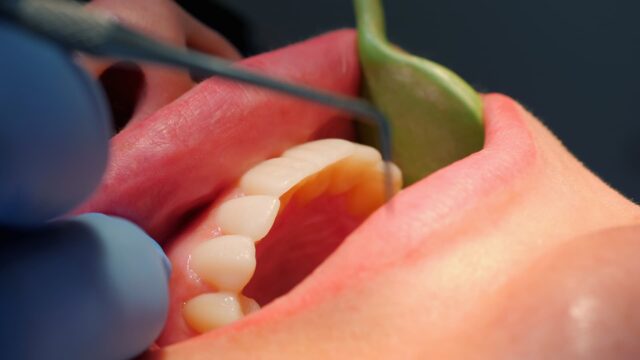
If tartar is the cause of your swollen gums, a dentist must perform a professional cleaning or “scaling and root planing.” This procedure removes plaque and tartar from above and below the gum line, allowing the tissues to heal and reattach to the teeth.
Saltwater Rinses
A simple saltwater rinse is one of the oldest and most effective home remedies. Salt acts as a natural disinfectant and helps reduce swelling by drawing out excess fluid from the inflamed tissues. Mix half a teaspoon of salt in a glass of warm water and rinse twice daily.
Warm and Cold Compresses
For painful swelling, compresses can provide immediate relief. A warm, damp cloth applied to the face can help reduce pain, while a cold compress (ice pack) wrapped in a towel is effective for reducing significant inflammation and numbing the area.
Improved Brushing and Flossing Techniques
Sometimes, how you clean your teeth is the problem. Using a soft-bristled toothbrush and a gentle, circular motion prevents physical trauma to the gums. Daily flossing removes the debris between teeth that triggers the inflammatory response.
Hydration and Nutritional Support
Drinking plenty of water stimulates saliva production, which naturally washes away bacteria. Additionally, incorporating more leafy greens, citrus fruits, and dairy products into your diet provides the nutrients necessary for maintaining strong, resilient gum tissue.
When to See a Dentist
While minor irritation might resolve in a few days, you should visit a dental professional at Esnan if you experience persistent symptoms. If your swelling lasts longer than a week, is accompanied by a high fever, or if you notice your gums are receding away from your teeth, immediate care is required.

FAQs About Swollen Gums
Exploring the most frequently asked questions about gum health can provide clarity on how to maintain a pain-free smile.
Can stress cause swollen gums?
Yes, high stress levels increase cortisol, which can weaken the immune system and make your gums more susceptible to infection and inflammation.
Why are my gums swollen only in one spot?
Localized swelling is often caused by a trapped food particle, a dental abscess, or a specific injury to that area of the gum.
Will swollen gums go away on their own?
If the cause is minor irritation, they might. However, if the cause is plaque or infection, they will likely worsen without treatment.
Can certain medications cause gum swelling?
Yes, some medications for blood pressure or seizures can cause a condition called gingival hyperplasia, where the gum tissue overgrows.
Is it normal for gums to bleed when they are swollen?
Bleeding is a common sign of inflammation. It usually indicates that the gums are irritated by bacteria and need better hygiene or professional cleaning.
Does mouthwash help with swollen gums?
An antibacterial or therapeutic mouthwash can help kill the bacteria causing the swelling, but it should be used as a supplement to brushing, not a replacement.