
Gum disease occurs as a result of irritation of the gums by plaque and the subsequent inflammation. The disease is slow onset, but severe in the oral problems without treatment. Healthy gums ensure your teeth are safe and oral stability in the long run. Knowing prevention will enable you to have a strong and comfortable smile.
What Is Gum Disease and Why Prevention Matters
Gum disease is a disease caused by the accumulation of bacteria along the gumline and the health of the tissues. Careless behavior can cause damage rapidly and pain is not felt at the initial stages. Gum disease can be prevented and this will lower the chances of losing and being infected with teeth. It also assists in keeping the breath fresh and healthy in general.For more professional guidance, you may review the ADA’s overview of gum disease: https://www.mouthhealthy.org/all-topics-a-z/gum-disease
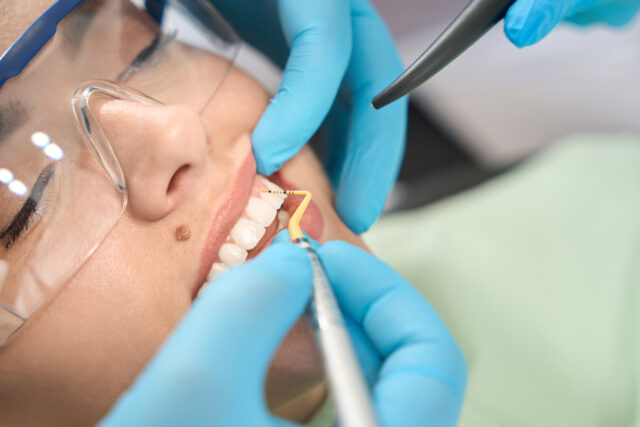
Early Signs of Gum Disease You Should Notice
Gum disease is most commonly characterized by mild symptoms that are often ignored by people. An early diagnosis helps the condition not to develop further into the deeper tissue. Monitor the change of the color, swelling or paining of your gums. Such initial symptoms make you take action before the situation gets out of control.
Red or Swollen Gums
Swollen or red gums signify irritation by trapped plaque. The inflammation is normally started around the gumline and diffuses over time. Swelling can be lowered by constant brushing and cleaning. Consult assistance when the discomfort persists over a number of days.
Bleeding During Brushing or Flossing
Gum disease is early manifested by bleeding gums. It occurs when bacteria cause irritation of tissue and the weakening of blood vessels. Bleeding can be enhanced through gentle cleaning. In case bleeding occurs regularly, it is possible to call a specialist.
Persistent Bad Breath
Bad breath is frequently manifested when gums are covered with plaque and bacteria. The accumulation of the buildup gives off nasty scents that linger on despite brushing. To keep the tongue clean also gets the odor down. It may need the use of a professional cleaning in case of the persistence of the smell.
Gum Sensitivity
Gums are sensitive, hence painful to brush, eat, or drink. The discomfort is commonly as a result of the accumulation of plaque along the edges of the gums. Gentle brushing is useful to alleviate pain. Chronic sensitivity is to be considered.
Daily Habits to Prevent Gum Disease
Strong daily habits protect your gums from long-term damage. Small changes made consistently give the best results. These steps target plaque, inflammation, and early gum irritation. Consistent care helps preserve gum structure.
Brush Twice Daily
Brushing removes plaque before it hardens into tartar. Use gentle pressure to avoid gum damage. Clean every tooth surface carefully. Replace your toothbrush regularly for best results.
Floss Every Day
Flossing removes plaque between teeth where brushes cannot reach. These spaces often trap food particles. Daily flossing prevents bacteria growth. Gentle movements protect sensitive gum areas.
Use an Antibacterial Mouthwash
Mouthwash reduces bacteria in hard-to-reach areas. It helps control inflammation and freshens breath. Use a gentle formula to avoid irritation. Rinse after brushing for better results.
Stay Hydrated
Water helps wash away food particles and bacteria. It also supports saliva production, which protects your gums. Sip water during the day for better moisture. Hydration helps maintain overall oral balance.
Avoid Tobacco Use
Tobacco increases gum disease risk by reducing blood flow. It also slows gum healing after irritation. Avoiding tobacco improves gum appearance and strength. Seek support if quitting is difficult.

Professional Care for Gum Health
Professional dental care supports stronger and healthier gums. Regular visits help detect early problems. These visits also remove buildup that home care cannot handle. Professional monitoring prevents disease progression.
Routine Dental Cleanings
Dental cleanings remove hardened tartar from the gumline. This prevents deeper infection and irritation. Cleanings also allow early detection of disease. Visiting twice a year supports gum health.
Periodontal Evaluation
A periodontal check measures gum depth and firmness. It shows areas where disease may begin. Early diagnosis leads to simpler treatment. Regular evaluations prevent advanced problems.
Scaling and Root Planing
This deep cleaning treatment removes plaque below the gumline. It smooths tooth roots to prevent bacteria buildup. It also reduces gum inflammation. Treatment supports tissue healing and stability.
Healthy Foods That Support Gum Health
Food plays a key role in maintaining gum strength. Nutrient-rich diets help reduce inflammation. They also support your immune system. These choices help protect gum tissue.
Crunchy Vegetables
Vegetables help clean teeth through natural texture. They stimulate saliva and reduce bacteria. Carrots and celery are helpful choices. Include them in snacks or meals.
Foods High in Vitamin C
Vitamin C helps strengthen blood vessels in the gums. It also supports tissue repair. Citrus fruits, peppers, and berries are good sources. Include them regularly for healthier gums.
Calcium-Rich Foods
Calcium supports strong teeth and jawbone health. Milk, yogurt, and leafy greens provide calcium. Stronger teeth support healthy gum attachment. Include these foods in your diet.
Habits That Harm Gum Health
Some habits weaken gum structure and increase infection risk. Avoiding them supports long-term gum stability. Small lifestyle changes offer major benefits. Awareness helps protect your smile.
Poor Brushing Technique
Aggressive brushing can injure gum tissue. Use gentle pressure instead. Soft brushes protect sensitive areas. Replace worn brushes to maintain effectiveness.
Excessive Sugar Intake
Sugar feeds bacteria that cause gum inflammation. Frequent snacking increases risk. Reduce sugary drinks and candies. Choose healthier snacks for better gum health.
Ignoring Early Symptoms
Delaying care lets gum disease progress. Early signs should be checked. Quick action prevents severe damage. Regular monitoring improves outcomes.

FAQ: Preventing Gum Disease
How often should I brush to prevent gum disease?
Brush two times daily to prevent plaque buildup. Use gentle strokes to protect your gums. Clean every tooth surface to reduce bacteria. Avoid harsh pressure that may irritate tissue. This routine helps maintain steady gum health.
Should I floss if my gums bleed easily?
Yes, floss gently even if your gums bleed. Bleeding often signals early gum irritation. Regular flossing reduces inflammation over time. Use slow movements to avoid injury. Seek evaluation if bleeding continues.
What foods help strengthen gum health?
Foods rich in vitamin C support gum repair. Crunchy vegetables stimulate saliva and reduce bacteria. Calcium-rich foods strengthen teeth and bone support. These choices reduce the risk of gum disease. Include them daily for best results.
When should I see a dentist about gum problems?
Visit a dentist when bleeding becomes frequent. Pain, swelling, or bad breath also need attention. Early visits prevent deeper gum damage. Professional evaluation identifies hidden issues. Timely care protects long-term gum health.
Can gum disease be reversed at home?
Early gum disease can improve with strong home care. Brushing and flossing reduce inflammation. Antibacterial mouthwash helps control bacteria. Severe cases need professional treatment. Early action gives the best chance for reversal.