- 1 Understanding Root Canal Treatment
- 2 Why Root Canal Treatment Is Needed
- 3 Signs You May Need a Root Canal
- 4 How Root Canal Treatment Works
- 5 Restoring the Tooth After Treatment
- 6 Benefits of Root Canal Treatment
- 7 Root Canal Treatment in Istanbul
- 8 What to Expect During Your Visit
- 9 Does Root Canal Treatment Hurt
- 10 Healing After a Root Canal
- 11 How to Care for Your Tooth After Treatment
- 12 How Long Does a Root Canal Last
- 13 Risks and Possible Complications
- 14 Preventing Future Problems
- 15 Root Canal Treatment vs Extraction
- 16 Cost of Root Canal Treatment in Istanbul
- 17 Frequently Asked Questions
Understanding Root Canal Treatment
Root canal treatment involves the removal of infected pulp of a damaged tooth. The aim is to prevent pain, eliminate infection and preserve the natural tooth. The process is very useful in safeguarding oral health in the long run and averting complications in the future. This treatment is preferred by a lot of patients who do not want to be extracted and are able to maintain normal chewing functions.
Why Root Canal Treatment Is Needed
The root canal is required when the bacteria have invaded the tooth pulp. This normally occurs because of profound decay, cracks and traumas. The patients can experience severe pain, pressure, or persistent pain. Treatment prevents infection and prevents its spread to the surrounding tissues. Early treatment helps to lessen the chances of swelling or additional damage.
Signs You May Need a Root Canal
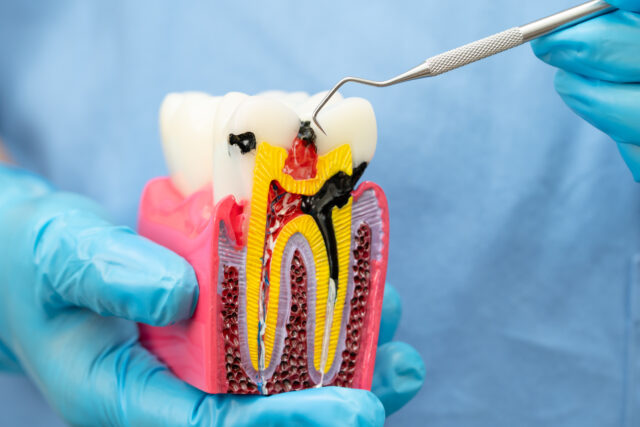
There are a number of symptoms indicative of pulp infection and require immediate assessment. The most frequent warning symptom is persistent pain. The sensitivity may persist beyond the cessation of the stimulus whether it is heat or cold. Other patients experience swelling, tender gums, or tooth discolouration. Such problems are the signs that urgent dental care is necessary.
How Root Canal Treatment Works
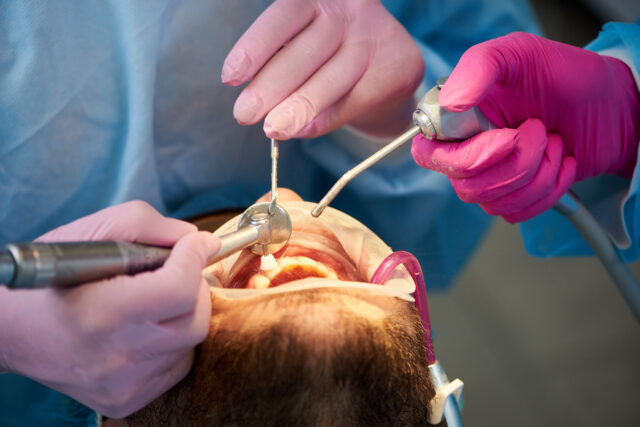
The procedure of a root canal is very straightforward and simple. The dentist starts by examining and anesthetizing the area. The rotting pulp is chipped away using a small hole. The canals are disinfected, washed and made to take shape in order to eliminate bacteria. This is followed by filling and sealing the tooth to avoid re-infection.
Restoring the Tooth After Treatment
Upon a root canal, the tooth might require being crowned. A crown shields the tooth against fractures and gives it complete functionality. It makes the treated tooth to look better as well. There are also instances when temporary coverage might have to be made awaiting permanent restoration. The correct restoration favors the long-term stability.
Benefits of Root Canal Treatment
There are a number of significant benefits of root canal therapy. It prevents excruciating pain associated with pulp infection. It prevents extraction of teeth and maintains natural structure. Comfortable after healing, chewing and speaking. The process equally averts infection transmission and safeguards the general oral healthcare.
Root Canal Treatment in Istanbul
Istanbul is a popular destination for dental care. Patients choose Istanbul for modern technology and trained specialists. Clinics often offer advanced methods such as digital imaging and rotary instruments. Treatment remains accessible and suitable for international patients. Many travelers combine care with a pleasant travel experience.
What to Expect During Your Visit
During the first visit, the dentist evaluates the tooth with imaging. They explain the procedure and expected results. The treatment is usually comfortable with effective anesthesia. Most sessions take one to two appointments depending on infection level. Patients receive clear instructions for aftercare and healing.
Does Root Canal Treatment Hurt
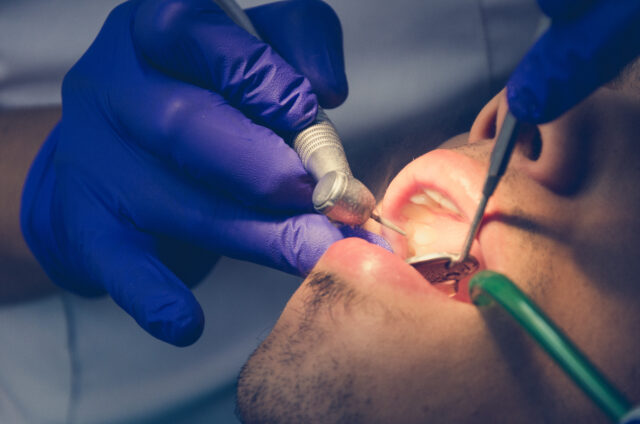
The root canal treatment in modern times is painless and controlled. Local anesthesia helps to avoid pain during the process. The patients can experience pressure, not sharp pain. It is normal and temporary mild soreness following treatment. The pain normally heals fast after the infection has been eliminated.
Healing After a Root Canal
The recovering process tends to start in days. At the initial stage, patients are not supposed to chew on the side they are treated. Mild sensitivity can be described but it subsides with recovery of tissues. Oral hygiene promotes easy healing. Follow-up visits are aimed at making sure that the tooth is healthy and stable.
How to Care for Your Tooth After Treatment
Not taking proper care will harm the tooth and slow down healing. The hard foods should not be eaten before the last restoration has been applied. Stroke and brush around the area of the treatment. Take prescribed drugs according to prescriptions. Seek the attention of a dentist in case of swelling or severe pain.
How Long Does a Root Canal Last
The successful root canal could last years. Crowns are often stronger in the long run. Good oral hygiene keeps away the treated tooth. Frequent examinations assist in the observation of the restoration and tissues surrounding it. Most of the patients retain their treated teeth permanently.
Risks and Possible Complications
All dental procedures are associated with risks. Root canal can fail due to the presence of bacteria within canals. Success may be affected by cracked roots or concealed canals. Pain after the treatment can be experienced but it generally subsides. Early assessment helps to avoid more severe problems.
Preventing Future Problems
Good habits prevent future pulp infections of teeth. The risk of decay is reduced due to daily brushing and flossing. Dentists should be checked regularly to identify early problems. Mouthguard can help to guard teeth against injuries. Good nutrition also helps in good enamel.
Root Canal Treatment vs Extraction
A root canal aims to save the natural tooth. Extraction removes the tooth completely. Saving the tooth supports normal chewing and alignment. Extraction may require implants or bridges later. Root canal treatment often remains a more conservative solution.
Cost of Root Canal Treatment in Istanbul
Istanbul offers competitive prices for root canal therapy. Costs vary by tooth type and infection level. Front teeth often require simpler treatment than molars. Prices may also differ based on restoration needs. Patients receive clear explanations before treatment begins.
Frequently Asked Questions
Is a root canal better than extraction
A Root Canal Treatment in Istanbul is usually better because it saves the natural tooth. Extraction removes the tooth and may create alignment issues. Maintaining natural structure supports normal chewing and comfort. Replacement options may cost more long term. Saving the tooth often provides the best outcome.
How long does a root canal take
Most root canals take one to two visits. Simple cases may finish in one session. Complex infections may require additional cleaning appointments. Imaging helps the dentist plan treatment effectively. Patients receive updates throughout the process.
Can I eat after a root canal
You can eat once the numbness fades. Soft foods are recommended at first. Avoid chewing on the treated side until restoration is placed. Hard or sticky foods may damage temporary filling material. Gradually return to normal diet as healing improves.
Is it normal to feel pain after treatment
Mild discomfort after treatment is normal. The tissues around the tooth need time to heal. Pain usually decreases within a few days. Over-the-counter medication helps manage temporary soreness. Severe pain should be evaluated by a dentist.
Do I always need a crown after a root canal
Many root-treated teeth benefit from crowns. Back teeth often need crowns due to chewing pressure. Front teeth may not always require full coverage. The dentist evaluates structure and strength before deciding. A crown helps protect the tooth from fractures.
How soon can I return to normal activities
Most patients return to normal activities the same day. Avoid heavy chewing on the treated side temporarily. Follow aftercare instructions for best results. Minor soreness should not affect daily routines. Contact a dentist if discomfort continues.