
A teeth pacifier primarily affects a child’s dental development by exerting constant pressure on the developing jaw and erupting teeth, often leading to structural misalignments like open bites. While they provide comfort for infants, prolonged use beyond age two increases the risk of “pacifier teeth,” making early professional monitoring essential to prevent long-term orthodontic complications.
- 1 Understanding the Impact of a Teeth Pacifier on Oral Health
- 2 The Relationship Between Teeth Pacifier Use and Jaw Alignment
- 3 Choosing the Right Teeth Pacifier for Oral Health
- 4 Potential Long-Term Dental Issues
- 5 Frequently Asked Questions
Understanding the Impact of a Teeth Pacifier on Oral Health
Using a soothing device is a common way to calm infants, but the long-term effects on dental structure require careful consideration by parents. While it provides comfort, the physical presence of a teeth pacifier can alter the natural growth of the jaw and the alignment of emerging teeth if the habit persists too long. Identifying the early signs of dental shifts is the most critical step toward protecting your child’s developing smile and ensuring their permanent teeth erupt in a healthy environment.
The Relationship Between Teeth Pacifier Use and Jaw Alignment
The way a silicon nipple sits in a child’s mouth directly influences the growth patterns of the alveolar bone, which supports the teeth. Because an infant’s jaw is highly malleable, the repetitive sucking motion and the physical presence of the teeth pacifier act as a functional appliance that reshapes the dental arch. Understanding this relationship is vital for parents who want to balance their child’s comfort with the necessity of healthy physiological development.
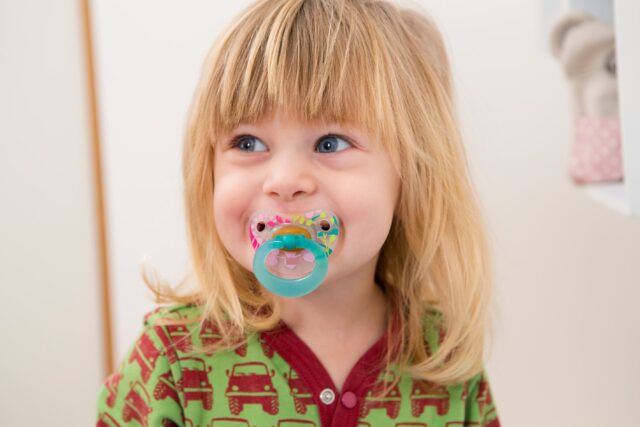
Understanding Pacifier Teeth and Open Bites
One of the most recognizable consequences of prolonged use is the development of an anterior open bite. This occurs when the upper and lower front teeth do not meet even when the mouth is closed, creating a circular opening that mimics the shape of the bulb. This gap not only affects the aesthetic appearance of the child’s smile but also impacts their ability to bite into certain foods correctly.
-
Consistent pressure pushes the upper teeth forward, creating an “overjet” appearance.
-
The lower jaw may be prevented from growing forward at a normal rate.
-
Persistent use during the transition to permanent teeth can lead to skeletal changes.
These visual changes are often the first signs that the use of a teeth pacifier has transitioned from a harmless habit to a developmental concern.
The Role of Pedodontics in Early Intervention
When a soothing habit begins to alter the shape of the mouth, the field of pedodontics offers specialized solutions to mitigate the damage. Pedodontists are trained to monitor growth milestones and can identify the early warning signs of malocclusion caused by sucking behaviors. Early intervention in a pedodontics clinic might include habit-breaking appliances or simple behavioral strategies that prevent the need for complex braces or jaw surgery in the future.
-
Regular pedodontics check-ups allow for the tracking of jaw width and eruption patterns.
-
Specialists can provide “habit cribs” if a child struggles to stop using a teeth pacifier independently.
-
Pedodontic guidance ensures that the primary teeth serve as healthy placeholders for permanent ones.
Involving a specialist in pedodontics early on ensures that the transition away from sucking habits is managed professionally.
Choosing the Right Teeth Pacifier for Oral Health
Not all products are created equal, and the design of a teeth pacifier can play a significant role in how much pressure is applied to the gums and teeth. Manufacturers have developed specific shapes intended to mimic the natural movement of the tongue and palate, theoretically reducing the risk of dental deformities. Choosing a high-quality, scientifically designed model can minimize risks during the early years of life.
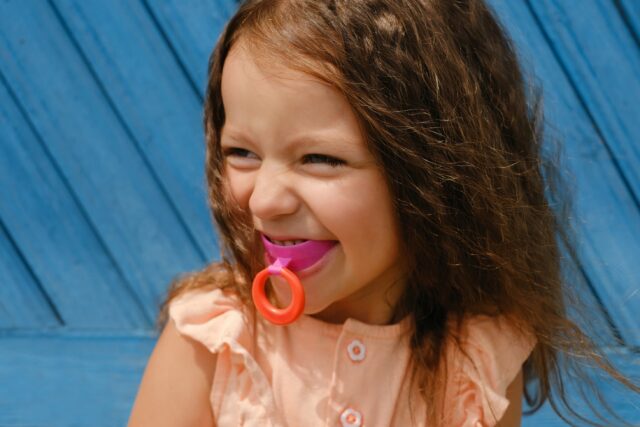
Features of Orthodontic Pacifiers
An orthodontic version is characterized by a flattened bottom and a rounded top, designed to support the natural shape of the developing palate and jaw. Unlike traditional cherry-shaped bulbs, this type of teeth pacifier exerts less pressure on the front teeth and allows the tongue to remain in a more natural position during sucking. This design helps in distributing the force of the suckling more evenly across the oral cavity.
-
The narrow neck of the nipple reduces the “gap” between the upper and lower teeth.
-
A flat base allows for more tongue movement, which is crucial for swallowing.
-
BPA-free medical-grade silicone is preferred for its durability and hygiene.
While no oral habit is entirely risk-free, these specialized versions are often recommended by experts to reduce the incidence of crossbites.
When to Wean Your Child Off the Pacifier
Most experts agree that the ideal time to discontinue the use of a teeth pacifier is between the ages of 2 and 4. Before age two, most dental changes are temporary and will self-correct once the sucking stimulus is removed. However, as the child moves toward preschool age, the permanent bone structure begins to solidify, making the effects much harder to reverse without professional orthodontic help.
-
Gradual weaning helps reduce the child’s emotional stress during the transition.
-
Using a reward system can encourage older toddlers to let go of the habit.
-
Daytime restrictions should be implemented before tackling the nighttime teeth pacifier habit.
Setting a clear timeline prevents oral habits from interfering with the eruption of the permanent adult teeth.
Potential Long-Term Dental Issues
If the habit persists into the later stages of childhood, the consequences can extend beyond simple tooth misalignment. The constant presence of a foreign object in the mouth during critical growth spurts can lead to systemic changes in how the child breathes, speaks, and chews. These issues often require a multidisciplinary approach involving both pedodontics and speech therapy.
Changes in the Roof of the Mouth
The repetitive suction from a teeth pacifier can cause the roof of the mouth to become high and narrow. This “v-shaped” arch development reduces the space available for the tongue to rest properly. A narrow palate is frequently associated with posterior crossbites, where the upper back teeth bite inside the lower back teeth.
-
A high palate can restrict the nasal floor, leading to increased mouth breathing.
-
Narrow arches often lead to severe crowding in the future.
-
Palatal expanders are often needed later to correct the narrowing caused by a teeth pacifier.
Correcting these skeletal changes is a core focus of advanced pedodontics and orthodontic treatment.
Speech Development and Tooth Positioning
The positioning of the teeth can significantly influence a child’s speech clarity. For example, an open bite makes it difficult for the tongue to make contact with the back of the front teeth, which is necessary for sounds like “s,” “z,” “t,” and “d.” This often results in a lisp that persists even after the child stops using a teeth pacifier.
-
Interdental lisps are commonly linked to the dental gaps created by oral habits.
-
The tongue may develop a “thrust” habit to fill the space where the object used to be.
-
Speech therapy is often more effective when combined with pedodontics treatments to fix the bite.
Addressing the physical dental structure is often a prerequisite for successful speech correction.
Frequently Asked Questions
These are the most frequently asked questions regarding the use and maintenance of a teeth pacifier.
At what age does a teeth pacifier start causing permanent damage?
Permanent dental and skeletal damage usually begins to occur if the habit continues past the age of 3 or 4. While infant use is generally safe, the risk of permanent malocclusion increases significantly once the permanent teeth begin their eruption process.
Can pedodontics specialists fix alignment issues caused by teeth pacifier?
Yes, pedodontics specialists are experts at treating alignment issues. They may use space maintainers, palatal expanders, or early-stage braces to redirect jaw growth and ensure that the permanent teeth have enough room to grow in correctly.
Is a thumb-sucking habit worse than a teeth pacifier?
In many ways, a teeth pacifier is easier to manage than thumb sucking because the parent can control when it is available. You can’t take away a child’s thumb, which makes the thumb-sucking habit much harder to break and potentially more damaging to the teeth over time.
How can I clean a teeth pacifier without damaging it?
You should clean the nipple by rinsing it with warm water and mild soap daily. For infants, sterilizing the device in boiling water for five minutes is recommended, but always check the manufacturer’s instructions to ensure the heat won’t degrade the material.