
- 1 Comprehensive Guide to Palatal Expander Treatment
- 2 Understanding the Purpose of a Palatal Expander
- 3 The Procedure and Adjustment Process
- 4 Palatal Expander vs. Alternative Orthodontic Treatments
- 5 Frequently Asked Questions
Comprehensive Guide to Palatal Expander Treatment
A palatal expander is an orthodontic appliance used to widen the upper jaw by applying gentle pressure to the palate’s two halves, effectively creating more space for crowded teeth and correcting bite misalignments. This device is most effective in growing children and teenagers whose jaw bones have not yet fused, but it can also be used in specific adult cases to improve oral function and aesthetics. Understanding how a palatal expander integrates into a broader orthodontic plan is essential for patients and parents looking to achieve a healthy, functional smile.
Understanding the Purpose of a Palatal Expander
The primary goal of a palatal expander is to resolve structural issues within the upper jaw that cannot be corrected through tooth movement alone. By widening the underlying bone structure, orthodontists can address the root cause of various dental complications, ensuring that the teeth have a stable and properly proportioned foundation. This proactive approach often simplifies future treatments and prevents the need for more invasive procedures later in life.
Correcting Crossbites and Dental Crowding
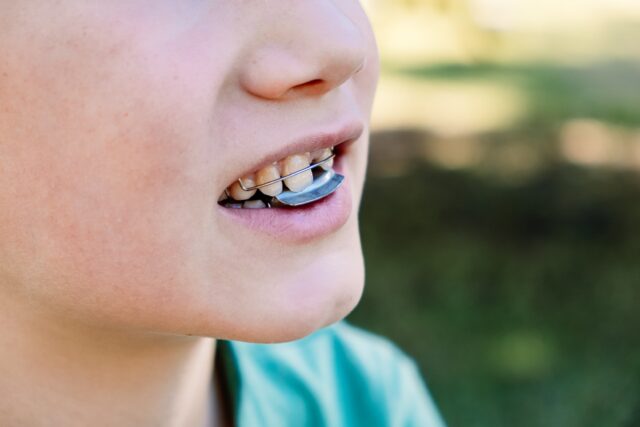
One of the most common reasons for recommending a palatal expander is the presence of a posterior crossbite, where the upper teeth sit inside the lower teeth when the mouth is closed. This misalignment can lead to asymmetrical jaw growth and excessive wear on dental enamel if left untreated. Additionally, a palatal expander is an excellent tool for managing severe dental crowding. By expanding the arch, the orthodontist creates the necessary room for permanent teeth to erupt naturally, often eliminating the need for tooth extractions.
-
Widening the jaw ensures the upper and lower arches fit together like a lid on a box.
-
Expansion provides a natural “arch development” that improves the smile’s width.
-
It reduces the likelihood of teeth becoming impacted below the gumline.
Impact on Breathing and Sleep Quality
Beyond tooth alignment, a palatal expander can have a profound impact on a patient’s respiratory health. The roof of the mouth also serves as the floor of the nasal cavity; therefore, widening the palate often increases the volume of the nasal passages. This can lead to improved airflow, reduced mouth breathing, and a decrease in symptoms related to pediatric obstructive sleep apnea. For many patients, the use of a palatal expander results in better sleep quality and overall systemic health.
-
Increased nasal volume helps transition patients from mouth breathing to nasal breathing.
-
Orthodontists often work with ENT specialists to coordinate expansion for respiratory benefits.
-
Better oxygen flow during sleep supports cognitive development in younger patients.
The Procedure and Adjustment Process
The journey with a palatal expander begins with a customized fitting and continues with a series of small, incremental adjustments performed by the patient or a parent at home. While the idea of “expanding the jaw” may sound daunting, the modern process is designed to be as efficient and comfortable as possible. Consistent compliance with the adjustment schedule is the key to achieving the desired orthopedic changes within the planned timeframe.
How the Device Is Fitted
To create a palatal expander, the orthodontist first takes a digital scan or a physical impression of the patient’s upper arch. This ensures the appliance fits perfectly against the molars and the contours of the palate. Once the custom-made palatal expander is ready, it is bonded to the upper back teeth using dental cement. The device remains fixed in the mouth for several months, consisting of two metal halves connected by a central screw mechanism that facilitates the widening process.
-
Digital impressions offer a gag-free experience for younger, sensitive patients.
-
The bonding process is painless and does not require local anesthesia.
-
Once installed, the appliance is low-maintenance but requires specific cleaning habits.
Managing Discomfort During Expansion
It is normal to experience some pressure or mild discomfort immediately after turning the screw of the palatal expander. This sensation usually lasts for only a few minutes as the pressure is distributed across the midline suture of the palate. Patients may also notice temporary changes in their speech or increased salivation during the first few days. These are minor adjustments as the tongue learns to navigate around the palatal expander, and most patients return to their normal routine very quickly.
-
Over-the-counter pain relief can be used during the initial adjustment phase.
-
Soft foods are recommended for the first few days after the device is fitted.
-
Reading aloud can help the tongue adapt to the appliance more quickly.
Palatal Expander vs. Alternative Orthodontic Treatments
While a palatal expander is a powerhouse for orthopedic jaw widening, it is often part of a larger treatment ecosystem. Depending on the patient’s age and the severity of their skeletal discrepancy, other tools might be used in conjunction with or instead of the expander. Comparing these options helps patients understand why a palatal expander was chosen as the specific solution for their unique dental anatomy.

Traditional Metal Braces and Aligners
Traditional braces and clear aligners are primarily designed to move teeth, whereas a palatal expander is designed to move bone. In many cases, an orthodontist will use a palatal expander first to create the necessary space, followed by braces or Invisalign to fine-tune the position of individual teeth. Without the initial expansion, aligners or braces might tip the teeth outward too far, leading to instability or gum recession because the underlying bone is too narrow to support them.
-
Braces focus on tooth rotation and vertical alignment.
-
Aligners are excellent for minor crowding but cannot widen a skeletal arch.
-
Combining these treatments leads to the most stable and aesthetic results.
Surgically Assisted Rapid Palatal Expansion (SARPE)
For adult patients whose palatal suture has already fused, a standard palatal expander may not be sufficient on its own. In these instances, a procedure known as Surgically Assisted Rapid Palatal Expansion (SARPE) is utilized. This involves a surgeon making strategic incisions in the jawbone to “unlock” the suture, followed by the placement of a palatal expander. This combination of surgery and orthodontics allows adults to achieve the same dramatic widening results that are naturally possible in children.
-
SARPE is typically reserved for skeletal discrepancies that are too severe for tooth-only movement.
-
It allows for significant widening of the smile in mature patients.
-
Recovery time is minimal, and the expansion begins shortly after the procedure.
Frequently Asked Questions
These are the most frequently asked questions regarding the use and maintenance of a palatal expander.
How long does a patient need to wear a palatal expander?
Most patients wear the active palatal expander for about three to six months. While the actual “turning” or expansion phase only lasts a few weeks, the appliance must stay in place for several additional months to allow new bone to form in the gap and stabilize the jaw’s new width.
Does a palatal expander cause a gap between the front teeth?
Yes, it is very common and actually a positive sign to see a gap (diastema) develop between the two upper front teeth during treatment with a palatal expander. This indicates that the jaw bone is successfully widening. This gap is temporary and is usually closed easily during the subsequent phase of braces or aligners.
Are there any food restrictions while wearing a palatal expander?
Patients should avoid sticky, chewy, or extremely hard foods that could become lodged in the palatal expander or break the metal arms. Foods like caramel, taffy, and gum should be avoided, and hard items like apples or carrots should be cut into small, manageable pieces to prevent damage to the appliance.
What is the best age to get a palatal expander?
The “sweet spot” for a palatal expander is typically between the ages of 7 and 12. At this stage, the two halves of the upper jaw are not yet fused, making the expansion process much easier and more predictable. Early intervention can often prevent the need for more complex jaw surgery in adulthood.
Latest Blogs