
Mouthguards protect teeth, jaws, and soft tissues from damage. They prevente injuries resulting in grinding, sports, and jaw pressure. Their importance is underestimated by many patients. Contemporary mouthguards are comfortable, durable and accurately fit. This knowledge of their role enhances their oral health in the long-term.
- 1 What Is a Mouthguard and Why Is It Important?
- 2 Types of Mouthguards and Their Uses
- 3 Custom vs. Over-the-Counter Mouthguards
- 4 Benefits of Wearing a Mouthguard
- 5 Who Should Wear a Mouthguard?
- 6 How Mouthguards Are Made
- 7 How to Care for Your Mouthguard
- 8 Signs You Need a New Mouthguard
- 9 Common Myths About Mouthguards
- 10 Mouthguards and Long-Term Oral Health
- 11 Frequently Asked Questions (FAQ)
- 11.1 What does a mouthguard protect against?
- 11.2 Can I wear a mouthguard every night?
- 11.3 Are custom mouthguards worth it?
- 11.4 How long does a mouthguard last?
- 11.5 Can children wear mouthguards?
- 11.6 Do mouthguards help with jaw pain?
- 11.7 How should I clean my mouthguard?
- 11.8 Is sleeping with a mouthguard safe?
- 12 Conclusion
- 12.1 Latest Blogs
- 12.1.0.1 Sports Dentistry: Protecting Your Smile During Athletic Performance
- 12.1.0.2 Dental Erosion: A Comprehensive Guide to Causes, Symptoms, and Modern Treatments
- 12.1.0.3 Millie Bobby Brown Teeth: The Natural Glow-Up of a Gen Z Icon
- 12.1.0.4 Cardi B Teeth: The Iconic Dental Transformation of a Superstar
- 12.1 Latest Blogs
What Is a Mouthguard and Why Is It Important?
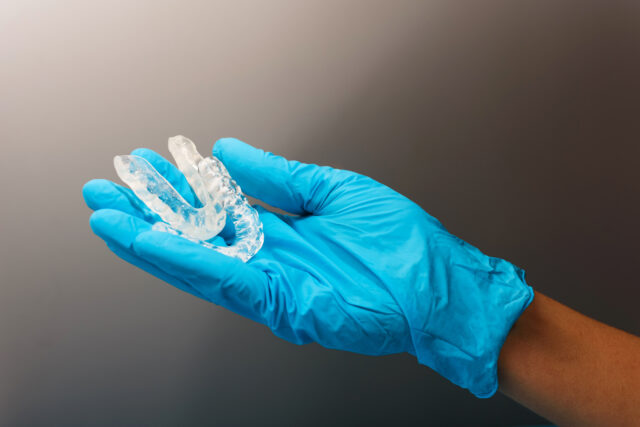
A mouthguard is a protective oral device that covers teeth. It also takes up and releases destructive forces. Mouthguards cut back on tooth injury, jaw injury and soft tissue injuries. They are applied in sports and bruxism. When used properly, dental trauma is greatly reduced.
Types of Mouthguards and Their Uses
Different mouthguards serve different dental needs. Choosing the right type improves comfort and protection. Each design targets specific oral risks.
Sports Mouthguards
Mouthguards are used to safeguard teeth used in sports. They mitigate shock and dislocation of teeth. The most benefit is to the athletes in contact sports. They also cushion lips and cheeks as well. The superior versions are custom versions with better comfort and safe features.
Night Guards for Teeth Grinding
Night guards protect teeth from grinding damage. Bruxism leads to wear and fracture of enamels and jaw pain. The use of a night guard helps to decrease muscle tension. It also avoids the loss of teeth in the long-term. Bruxism management requires the presence of night guards.
TMJ and Jaw Stabilization Guards
These guards reduce jaw joint stress. They are used in balancing bite forces. TMJ conditions consist of headaches and clicking of the jaw. Stabilization guards relieve pressure on the joints. The regular use enhances comfort in the jaws with time.
Custom vs. Over-the-Counter Mouthguards
The fit and effect of the mouthguards differ. Individual customizations are more effective. Diversity is better understood to make informed decisions.
Custom-Fitted Mouthguards
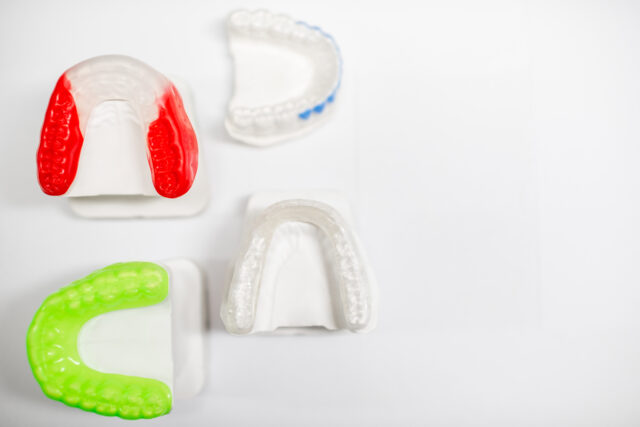
Custom mouthguards are made using dental impressions. They fit precisely and feel comfortable. They provide superior protection and durability. Patients tolerate them better long-term. Dentists recommend them for optimal safety.
Over-the-Counter Mouthguards
Store-bought guards are widely available. They offer basic protection at lower cost. However, fit and comfort are often limited. Poor fit may reduce effectiveness. They are less durable than custom guards.
Benefits of Wearing a Mouthguard
Mouthguards provide multiple oral health benefits. They protect both teeth and jaw structures. Long-term use prevents serious dental problems.
Mouthguards reduce tooth fractures and enamel wear. They protect restorations like crowns and veneers. They lower jaw joint strain and muscle tension. Mouthguards also prevent soft tissue injuries. Proper use improves oral health longevity.
Who Should Wear a Mouthguard?
Many people benefit from mouthguards. They are not only for athletes. Certain dental conditions increase the need.
Athletes in contact sports should wear mouthguards. Patients with bruxism benefit significantly. Those with TMJ disorders also need protection. Patients with restorations require extra care. Mouthguards support overall dental stability.
How Mouthguards Are Made
Mouthguards require careful design and fabrication. Precision ensures comfort and protection.
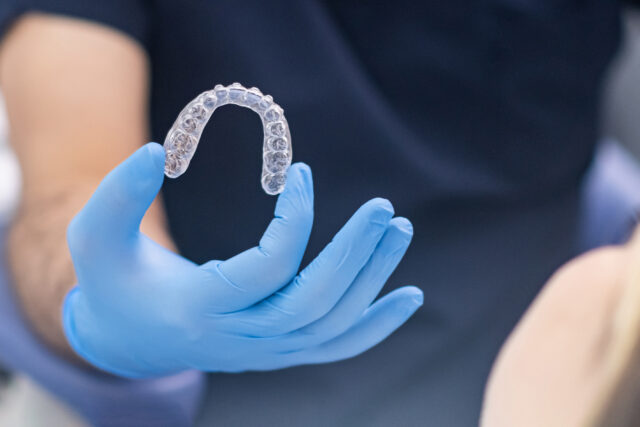
Dentists take detailed impressions of the teeth. These impressions create accurate molds. Materials are chosen based on usage needs. The final guard is adjusted for fit. This process ensures effective protection.
How to Care for Your Mouthguard
Proper care extends mouthguard lifespan. Hygiene prevents bacterial buildup. Simple routines keep it safe.
Rinse the mouthguard after each use. Clean it with mild soap regularly. Store it in a ventilated case. Avoid heat exposure. Replace damaged or worn guards promptly.
Signs You Need a New Mouthguard
Mouthguards wear out over time. Regular checks ensure effectiveness.
Cracks indicate reduced protection. Loose fit affects comfort and safety. Increased jaw pain may signal issues. Discoloration suggests bacterial buildup. Dentists should evaluate worn guards.
Common Myths About Mouthguards
Misconceptions prevent proper use. Education improves compliance.
Some believe mouthguards are uncomfortable. Modern designs are slim and comfortable. Others think they are unnecessary. Dental injuries are often preventable. Mouthguards save teeth and reduce costs.
Mouthguards and Long-Term Oral Health
Consistent mouthguard use supports dental longevity. Protection prevents cumulative damage. This reduces future treatments.
Mouthguards preserve enamel and restorations. They protect jaw joints and muscles. Long-term use prevents costly procedures. Prevention improves overall dental health. Mouthguards are an investment in your smile.
Frequently Asked Questions (FAQ)
What does a mouthguard protect against?
A mouthguard protects teeth from fractures and wear. It absorbs impact forces. It reduces jaw strain and soft tissue injuries. Mouthguards also protect dental restorations. They prevent long-term damage.
Can I wear a mouthguard every night?
Yes, night guards are designed for daily use. Consistent wear protects teeth from grinding. It reduces jaw pain and headaches. Dentists often recommend nightly use. Proper care ensures safety.
Are custom mouthguards worth it?
Custom mouthguards offer superior fit and comfort. They provide better protection than store-bought options. Patients tolerate them longer. They last longer and work better. Dentists recommend custom solutions.
How long does a mouthguard last?
Lifespan depends on usage and care. Night guards usually last one to three years. Sports guards may wear faster. Regular checks are important. Replace damaged guards promptly.
Can children wear mouthguards?
Yes, children benefit from mouthguards. Sports mouthguards protect growing teeth. Regular adjustments may be needed. Dentists monitor fit as teeth change. Protection reduces injury risk.
Do mouthguards help with jaw pain?
Yes, they reduce jaw muscle tension. They stabilize bite forces. This helps relieve TMJ discomfort. Night guards are especially effective. Consistent use improves symptoms.
How should I clean my mouthguard?
Rinse it after each use. Clean weekly with mild soap. Avoid hot water. Store in a dry case. Regular cleaning prevents bacteria.
Is sleeping with a mouthguard safe?
Yes, mouthguards are safe when properly fitted. They do not block breathing. Dentists design them for comfort. Proper fit ensures safety. Follow professional instructions.
Conclusion
Mouthguards are more than simple protective devices. They support dental health and jaw function. Proper selection improves comfort and effectiveness. Regular use prevents serious dental damage. Mouthguards protect your smile for years.
Latest Blogs