The transformation of modern dental care is rapid, and novel technologies enhance patient comfort and the outcome of treatment. Such developments enable dentists to diagnose at an earlier stage, treat with precision and less time taken to recover. The knowledge of these innovations will enable the patients to have more confidence in their dental treatment of choice.
Digital Dentistry: Transforming Diagnosis and Planning
Digital dentistry involves the utilization of sophisticated equipment to develop precise treatment programs. Such systems enhance accuracy and minimize chances of errors. They also assist patients to have a better understanding of the treatment options.For further professional insight, ADA provides an overview of digital dental advancements: https://www.ada.org/resources/research/science-and-research-institute/oral-health-topics
3D Scanning for Accurate Impressions
The use of 3D scanners in the place of traditional molds provides the detailed images within a very short time. They are more accurate and comfortable to patients. The technology assists in the development of superior crowns, veneers and aligners.
Digital X-Rays for Safer Imaging
The digital X-rays have fewer radiations and provide immediate results. Dentists are able to zoom and examine structures easily. This results in more accurate and quicker diagnosis.
Digital Smile Design
Digital smile design generates an idea of the final outcome. Before a treatment is commenced, patients are able to see anticipated changes. This enhances communication as well as satisfaction.
Laser Dentistry: A Pain-Free Approach
Many procedures become less painful with the help of laser dentistry. It reduces blood loss, accelerates recovery and makes the process less stressful. It is currently utilized in the gum treatments, cavity removal, and cosmetic surgeries.
Laser Cavity Removal
Lasers ablate without pressure drilling. This minimizes noise and vibrations. Numerous patients experience less anxiety as they receive treatment.
Laser Gum Contouring
Gums are highly precise when reshaped using laser tools. The process brings about minimal bleeding and swelling. Healing is normally quicker compared to conventional.
Laser Teeth Whitening
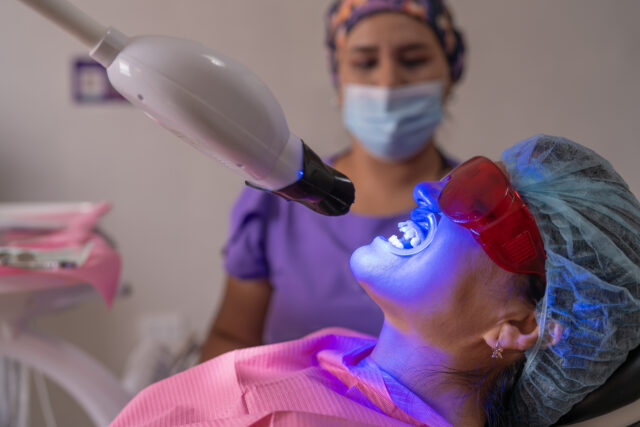
Whitening gels are better activated by lasers. The procedure is fast and provides evident outcomes. It has a low sensitivity level in comparison to other whitening procedures.
3D Printing in Dentistry
Dental restorations are easily and precisely produced through 3D printing. It assists in manufacture of crowns, models and surgical guides. Such technology will cut on the waiting time and treat better.
Printed Crowns and Bridges
3D printers produce restorations with high precision. Dentists can ensure a perfect fit and natural appearance. The reduced production time benefits patients greatly.
Clear Aligners
3D printing is essential for modern orthodontic aligners. It creates customized trays that fit the patient’s teeth accurately. This supports efficient and discreet treatment.
Surgical Guides
Printed guides improve accuracy during implant placement. They help position implants correctly and safely. This reduces complications and ensures predictable outcomes.

Artificial Intelligence in Dental Diagnosis
AI supports dentists by analyzing data quickly and accurately. It improves early detection of oral diseases. It also enhances treatment planning and patient care.
AI for Radiograph Analysis
AI systems identify patterns that may be missed by the human eye. They help detect cavities, infections, and bone loss early. This boosts treatment success.
AI-Powered Treatment Planning
AI creates precise plans for orthodontics and implant treatments. These plans increase predictability and efficiency. Patients benefit from shorter and smoother treatment processes.
AI in Administrative Support
AI assists with scheduling, reminders, and patient communication. This improves clinic efficiency and reduces waiting times. Patients experience better service from start to finish.
Robotic Dentistry: Precision Beyond Human Hands
Robotic systems assist in complex procedures with high accuracy. They help dentists perform delicate tasks safely and predictably. These systems continue to evolve each year.
Robotic Implant Placement
Robotic tools guide implant placement with exceptional precision. They reduce surgical risks and improve healing. Patients often feel more confident with this technology.
Robotic-Assisted Endodontics
Robotics support dentists during root canal treatment. They help clean and shape canals more accurately. This leads to better long-term outcomes.
Teledentistry: Accessible Care from Anywhere
Teledentistry allows patients to receive guidance without visiting the clinic. It improves accessibility and supports early diagnosis. It is especially helpful for follow-ups and consultations.
Virtual Consultations
Patients can discuss concerns online with a dentist. They receive recommendations quickly and easily. This saves time and reduces unnecessary visits.
Remote Monitoring
Digital tools allow dentists to track treatment progress remotely. Patients receive timely advice or adjustments. This improves the quality of care.
Regenerative Dentistry: Healing from Within
Regenerative dentistry focuses on repairing tissues naturally. It uses advanced biological methods to support healing. This field is rapidly expanding and shows promising results.
Stem Cell Applications
Stem cells may help regenerate damaged dental tissues. Researchers explore their use in pulp healing and bone repair. These developments will change future treatments.
Growth Factors
Growth factors encourage natural healing. They help regenerate bone and gum tissue. Patients may experience fewer complications and faster recovery.
Nanotechnology in Dental Materials
Nanotechnology improves the quality of dental materials. It enhances strength, durability, and antibacterial properties. These advancements provide long-lasting and safe restorations.
Nano-Filled Composites
Nano-filled composites offer better polish and strength. They look natural and last longer. Patients receive more durable restoration options.
Antibacterial Nanocoatings
Nanocoatings help reduce bacterial growth on dental surfaces. This lowers the risk of decay and infection. It is a promising development for long-term oral health.
The Future of Dentistry: What Patients Can Expect
Future dental care will become more comfortable, fast, and personalized. Technology will reduce pain and speed up healing. Digital tools will make treatments more accurate and predictable. Patients will benefit from safer procedures and improved long-term results.
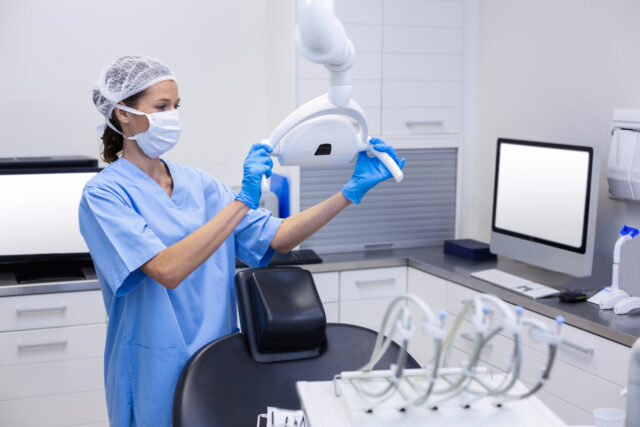
FAQ: Revolutionary Technologies in Dentistry
Are digital dental tools safe?
Yes, digital tools are safe and widely used. They reduce radiation, increase accuracy, and improve comfort. Their use supports early diagnosis and effective treatment. Patients benefit from fast results and safer procedures.
Is laser dentistry suitable for everyone?
Laser dentistry works well for many treatments. Some cases may still require traditional techniques. Dentists evaluate the patient’s condition before choosing the method. Most patients appreciate the reduced discomfort and healing time.
How does 3D printing help dental treatments?
3D printing creates precise restorations quickly. It improves the fit of crowns, aligners, and guides. This leads to more predictable results. It also reduces waiting time for patients.
Can AI replace dentists?
AI supports, not replaces, dentists. It improves diagnosis and planning accuracy. Dentists still make final decisions and perform treatments. AI simply enhances safety and efficiency.
Is robotic dentistry widely available?
Robotic dentistry is growing but not everywhere yet. It is used mainly in implant and endodontic procedures. The technology improves accuracy and reduces complications. Availability continues to increase each year.