Why Sterilization Matters in Modern Dentistry
Sterilization helps shield the patients against infections and provides safe dental treatment. Hygienic tools minimise cross-infection and favour consistent therapy results. Refined approaches also enhance the standards of the clinic and assist the dentists to observe high standards of hygiene. These methods create trust and protect each treatment process.
What Are Advanced Sterilization Techniques?
Technology is applied in advanced sterilization procedures to provide safe and consistent results. These systems eliminate disease causing microorganisms and provide controlled conditions to dental equipment. The accelerated turnaround time and improved treatment flow is also supported by the modern approaches. They assist clinics in the maintenance of international safety standards.

Why Dentistry Requires High-Level Sterilization
Direct contact with saliva, blood and tissues is involved in dentistry. It is due to that fact that any instrument may be infected. Senior sterilization removes such risks and safeguards patients and staff. Correct methods are used to make all the tools available to safely use in treatment.
Key Sterilization Techniques Used Today
Autoclave Steam Sterilization
Pressurized steam is used in autoclave to eliminate microorganisms. This technique provides good and reliable outcomes to the majority of dental instruments. Clinics will use autoclaves due to reliability of sterilizing in short cycles. The procedure has facilitated patient turnover and safe care.
Chemical Vapor Sterilization
The chemical vapor systems are defined as a combination of chemical agents, heat and pressure. This is an excellent way of using tools that are water sensitive. The process kills bacteria, fungi, and viruses and does not harm equipment. It helps to maintain a high level of hygiene and safeguard sensitive tools.
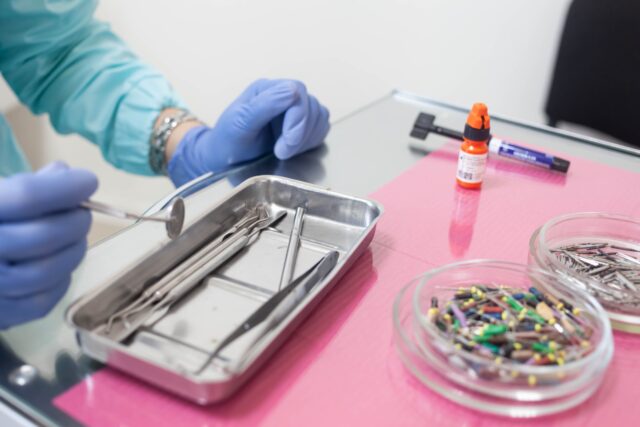
Dry Heat Sterilization
High temperatures are used in dry sterilizers whereby no moisture is employed. The technique is appropriate in metal tools that can withstand intense heat. It prevents corrosion as well as provides safe sterilization in controlled cycles. It is used by clinics when it comes to dry instruments.
Ultrasonic Cleaning
The ultrasonic cleaners eliminate debris prior to sterilization. These machines operate on sound waves to cut particles on tools. This measure enhances the end sterilization outcomes and equips instruments with autoclave processes. It promotes regular hygiene procedures.
High-Level Disinfection Systems
High-level disinfection applies in those that cannot be autoclaved. These solutions contain medical grade chemicals, which kill microorganisms. The process produces secure surfaces to reusable equipment. Clinics are characterized by high-level timing in order to record the right outcomes.
How Technology Improves Sterilization Safety
Contemporary systems involve sensors, switches and autonomous controls. These characteristics minimise the human error and aid in the predictability of outcomes. The real-time monitoring is used to check each cycle and control the complete temperature and pressure. The documentation of every step towards patient safety and compliance is also done by technology.
Benefits of Advanced Sterilization for Patients
The modern procedures guard the patients against cross-infection. Clean utility promotes precise and comfortable treatment. The shortened sterilization periods minimize waiting times and facilitate the process of appointments. These methods also enhance the general clinic hygiene and enhance trust.
How Clinics Maintain Sterile Environments
Practicing dentists are subjected to rigid procedures in the clinic. To ensure contamination, they keep clean and used tools apart. Employees wear protective gear and adopt premeditated work patterns. These measures provide safe environment to all the patients.
Sterilization in Surgical Procedures
Surgical dental treatments demands greater standards of sterilization. Sterile packs, disposable materials and controlled environments are used by surgeons. Each tool is monitored in terms of sterilization procedures. This minimizes the risk of complications and safeguards the recovery.
The Role of Single-Use Instruments
Many procedures are assisted by disposable tools in infection control. They offer new cleanly sterile products to every patient. They are used in clinics where sterilization is neither feasible nor advisable. This method facilitates consistent safety in treatment.
How Patients Benefit from Modern Sterilization Standards
New methods provide patients with safer and cleaner care. They do not take risks associated with low sanitation or the use of old systems. The modern instruments perform well throughout treatments. On the whole, higher sterilization enhances patient confidence and dental patient outcomes.
How Clinics Ensure Compliance With Global Standards
Guidelines made by the health authorities are adopted in clinics. To be on the safe side, they record all the sterilization procedures. Teaching of staff makes sure that instruments are handled properly.

The Future of Dental Sterilization Technology
Future systems will focus on automation and real-time verification. Digital records will improve monitoring and safety documentation. Faster cycle times will support more efficient workflows. New materials and advanced sensors will improve sterilization results.
Final Thoughts on Sterilization and Patient Safety
The advent of cutting-edge sterilization methods has brought about a significant leap in patient safety in dental care. And as patient safety remains the first and foremost priority, dental establishments should always be in the loop with the latest sterilization technology. Implementing these practices will mean having a dental practice where everything is safe, clean, and comfortable for the patients, which then sustains their trust and confidence.