
Navigating dental implant pain and recovery is a smooth and predictable process when supported by modern surgical techniques and proper post-operative care. Choosing high-quality dental implants in Turkey allows international patients to access advanced implantology procedures that prioritize gentle tissue handling and rapid healing protocols. While it is completely normal to experience mild discomfort and localized swelling immediately after the local anesthesia wears off, severe pain is rare when clinical guidelines are followed. Understanding the recovery timeline, implementing effective pain management techniques, and protecting the surgical site during bone fusion ensures a comfortable transition toward a fully restored, functional smile.
What to Expect Immediately After Dental Implant Surgery
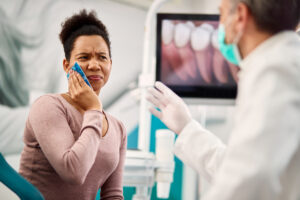
The initial 24 hours following implant placement represent the primary phase of soft tissue response and inflammation management. Once the local anesthetic begins to wear off, patients typically transition from total numbness to a mild or moderate throbbing sensation around the surgical site. Localized facial swelling, minor bruising along the jawline, and slight oozing of blood mixed with saliva are completely normal physical responses to oral surgery. Clinicians apply surgical gauze over the incision site immediately after the procedure to encourage stable blood clot formation, which serves as the essential foundation for underlying bone and tissue regeneration. Managing physical activity, staying upright, and applying cold compresses during this early window keeps swelling under control and minimizes initial discomfort.
Day-by-Day Recovery Timeline and Healing Process
The biological journey of oral healing follows a structured timeline that transitions from immediate tissue response to deep cellular bone fusion. Understanding the distinct phases of dental implant pain and recovery helps patients monitor their progress, adopt appropriate nutritional habits, and identify normal healing milestones at each step.
Days 1–3: Managing Swelling and Discomfort
The first three days post-surgery are when acute tissue inflammation peaks before gradually subsiding. During this initial stage, managing physical discomfort and controlling facial swelling are the primary clinical priorities. Placing an ice pack wrapped in a clean towel against the outside of your cheek for 15 minutes on and 15 minutes off reduces fluid accumulation in soft tissues. Clinicians prescribe targeted non-steroidal anti-inflammatory drugs (NSAIDs) or pain relievers to manage discomfort effectively, allowing patients to rest comfortably. Resting with your head elevated on two pillows prevents excess blood pressure from building up in the facial tissues, significantly reducing morning swelling and throbbing sensations.
Days 4–7: Soft Diet and Tissue Healing
As you move into the middle of the first week, acute swelling and tenderness begin to fade noticeably, giving way to soft tissue closure. Soft oral tissues surrounding the implant start regenerating, and any surgical sutures placed during the procedure begin to stabilize the gum margins. Diet plays a crucial role during this phase, as hard or crunchy food particles can dislodge healing blood clots or traumatize vulnerable gum tissue. Transitioning to a nutrient-dense, lukewarm soft diet ensures your body receives necessary vitamins and proteins without placing mechanical stress on the implant site. Towards the end of the first week, gentle warm salt water rinses can be introduced after meals to clean the surgical site and soothe regenerating tissues.
Weeks 2–6: Osseointegration and Bone Fusion
The most critical long-term phase of implant success occurs deep beneath the gumline, invisible to the naked eye. Osseointegration is the biological process where living jawbone cells grow directly onto and fuse with the biocompatible titanium surface of the implant post. While soft tissues are completely healed and comfortable by the second week, the underlying bone requires several weeks to months to build a permanent, load-bearing bond. During this period, patients can resume normal daily activities and expand their diet, while avoiding direct heavy chewing pressure on the unintegrated implant site. Regular clinical follow-ups and digital X-rays confirm that the bone is density-building properly, preparing the foundation for your final custom crown or bridge.
Comparing Post-Op Expectations Across Treatment Types
The scope of your surgical procedure directly influences the duration of post-operative tenderness, soft tissue swelling, and dietary restrictions required during recovery.
| Procedure Type | Average Discomfort Duration | Initial Recovery Time | Dietary Focus |
| Single Tooth Implant | 2–4 Days | 3–5 Days | Soft foods for 3–5 days; chew on the opposite side of the mouth |
| Multiple Implants | 4–7 Days | 7–10 Days | Pureed and soft diet for 7–10 days; avoid hard textures |
| Full Arch / All-on-4 | 7–10 Days | 10–14 Days | Liquid to ultra-soft diet for 2–3 weeks; progress as advised by clinician |
Practical Tips for Pain Relief and Faster Healing
Adopting targeted preventive protocols during your post-operative window drastically reduces discomfort, prevents bacterial contamination, and accelerates overall tissue restoration.
Careful daily habits shield delicate surgical sites from mechanical damage and biological complications:
Dissolve half a teaspoon of salt in a glass of warm water and gently rinse your mouth 3–4 times daily starting 24 hours after surgery to keep the area clean.
Avoid using drinking straws completely for at least 7 to 10 days, as the negative suction pressure created in the mouth can dislodge protective blood clots and cause painful dry sockets.
Refrain from smoking cigarettes or using tobacco products, because nicotine restricts local capillary blood flow, severely delaying tissue repair and increasing the risk of implant failure.
Consume soft, nutrient-rich foods like Greek yogurt, lukewarm soups, scrambled eggs, mashed potatoes, and fruit smoothies to fuel your immune system without mechanical chewing stress.
Maintain excellent oral hygiene by carefully brushing your remaining teeth while steering completely clear of the direct surgical site for the first few days.
Following these core care steps keeps the healing environment clean, stable, and pain-free throughout the critical first week.
Next Steps for Your Implant Journey
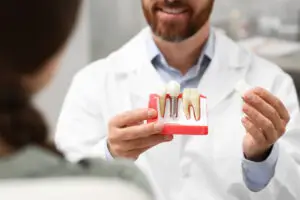
Understanding the complete dental implant pain and recovery process empowers patients to approach their restorative journey with confidence, clarity, and peace of mind. Modern implantology protocols ensure that immediate post-operative discomfort remains mild, manageable, and temporary, giving way to rapid tissue repair and stable bone fusion. By strictly adhering to dietary recommendations, maintaining meticulous oral hygiene, and shielding the surgical site from unnecessary physical trauma, you safeguard your dental investment and set the stage for a lifetime of functional, beautiful smiles.
Are you ready to restore your smile with world-class implant dentistry? Contact our expert clinical team today to schedule your personalized digital consultation, review customized treatment options, and receive a comprehensive care plan tailored to your needs.
Frequently Asked Questions
Below, you will find quick and clear answers to the most common questions regarding dental implant pain and recovery.