
Zirconium dioxide (ZrO_2) stands as a milestone material in modern restorative dentistry, renowned for its exceptional mechanical durability, high fracture toughness, and superior biocompatibility. However, full-coverage crowns are fundamentally engineered for structural rehabilitation rather than serving as aggressive cosmetic shortcuts for healthy natural teeth. When evaluating candidates for zirconia crowns Turkey, clinicians follow guidelines aligned with National Health Service (NHS) restorative principles, recommending complete circumferential coverage primarily when substantial coronal tooth structure is compromised by deep caries, endodontic treatment, or severe mechanical trauma. Sacrificing healthy enamel solely for minor cosmetic changes undermines biomimetic principles, whereas reserve-focused full zirconia restorations effectively protect structurally compromised teeth while withstanding heavy masticatory forces over time.
1. Clinical Indications: When Is a Full-Coverage Zirconia Crown Necessary?
Determining whether a tooth requires full-coverage restoration involves assessing the remaining sound dentin, root stability, and functional biting forces. Clinical protocols for zirconia crowns Turkey indicate full coverage when conservative options like direct composite bonding or ultra-thin porcelain veneers cannot provide sufficient biomechanical integrity.
Coronal tooth structure loss exceeding 30% to 50% due to deep decay, extensive structural fractures, or degraded existing restorations.
Endodontically treated teeth, as pulpless teeth suffer structural brittleness and internal moisture loss that significantly elevate fracture risks under normal chewing loads.
Severe posterior attrition, erosion, or widespread occlusal wear requiring complete vertical dimension restoration along with high flexural strength.
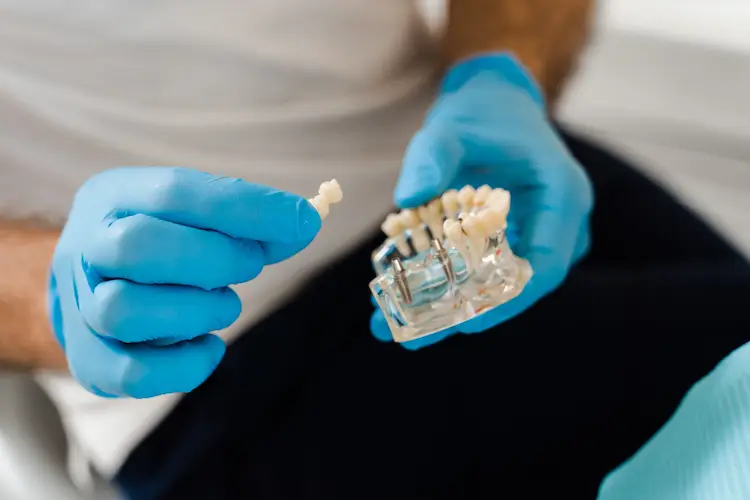
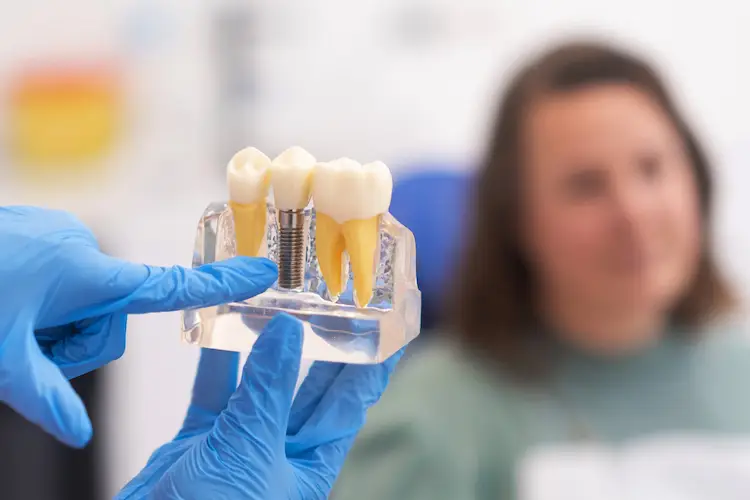
Prosthetic restoration over dental implants, where biocompatible zirconium dioxide serves as both a high-strength abutment and an aesthetically integrated crown.
Combining a metal-free framework with the structural capacity to resist posterior masticatory forces exceeding 900 to 1200 megapascals (MPa), high-translucency monolithic zirconia restores structural integrity while maintaining high natural aesthetics.
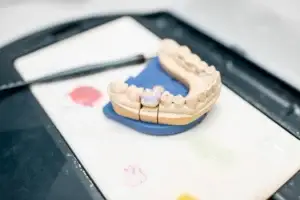
2. Conservative Limits: Why Crowns Should Not Replace Minor Aesthetics
Despite the popularity of full-coverage ceramic restorations, clinical ethics and global dental standards establish clear conservative boundaries regarding their application. The UK General Dental Council (GDC) explicitly warns prosthodontists against aggressive preparation of sound natural teeth solely to address minor discoloration or subtle alignment variations. Placing full crowns over healthy teeth requires removing up to 63% to 72% of the natural coronal structure, an irreversible intervention that increases the risk of pulpal complications. When evaluating clinical indications for zirconia crowns Turkey, minor aesthetic defects are far more conservatively managed using ultra-thin porcelain veneers or direct composite bonding. Preserving natural enamel maintains original tooth morphology, safeguards long-term pulp vitality, and keeps future restorative options completely open.
3. Risks of Over-Preparation and Biomechanical Precision
Excessive or inaccurate circumferential tooth reduction carries severe biological risks, most notably mechanical pulp exposure, irreversible pulpitis, and loss of tooth vitality. When natural tooth structure is reduced excessively, thermal and mechanical stresses transfer directly toward the dental pulp, frequently necessitating secondary endodontic intervention. In addition, poor preparation geometry compromises retention and resistance forms, increasing the risk of early debonding or structural failure under heavy bite loads.
Preventing these complications relies heavily on advanced computer-aided design and computer-aided manufacturing (CAD/CAM) workflows, such as Amann Girrbach automated digital systems. Micron-level intraoral optical scanning and computerized milling eliminate marginal discrepancies, preventing micro-leakage between the restoration and the tooth boundary. Maintaining sub-micron marginal precision protects surrounding soft tissue against chronic marginal gingivitis while computerized occlusal registration guarantees harmonious force distribution across the entire dental arch.
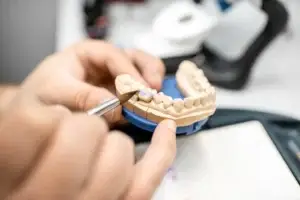
4. Accreditation and Material Authenticity: JCI and TEMOS Benchmarks
Long-term clinical reliability depends on structural material purity and strict institutional compliance with audited safety standards. Operating as Turkey’s first JCI-accredited dental clinic in the Oral and Dental Health Center category, Esnan Dental Clinic enforces rigorous institutional protocols covering clinical hygiene, patient care standards, and treatment safety. Additionally, the facility completed its TEMOS International (Excellence in Dental Tourism) audit in December 2025 with the highest score, establishing an exemplary benchmark for global patient safety. Choosing accredited institutions for zirconia crowns Turkey ensures that all structural interventions utilize certified raw materials within fully audited clinical environments.
Material authenticity remains essential for long-term structural success. Restorations milled from certified, medical-grade zirconium dioxide blocks—such as those produced by Amann Girrbach—guarantee homogeneous density, high flexural strength, and complete biocompatibility. Facilities governed by ISO 9001 quality management and ISO 10002 patient satisfaction systems provide clear material certification for every restoration, ensuring complete transparency regarding ingot origin. This level of material traceability aligns with UK NHS standards, where restorative interventions prioritize long-term biological safety, structural durability, and functional stability.
Frequently Asked Questions
Below, you will find clear, evidence-based answers to the most critical questions regarding zirconia crown indications and restorative procedures.