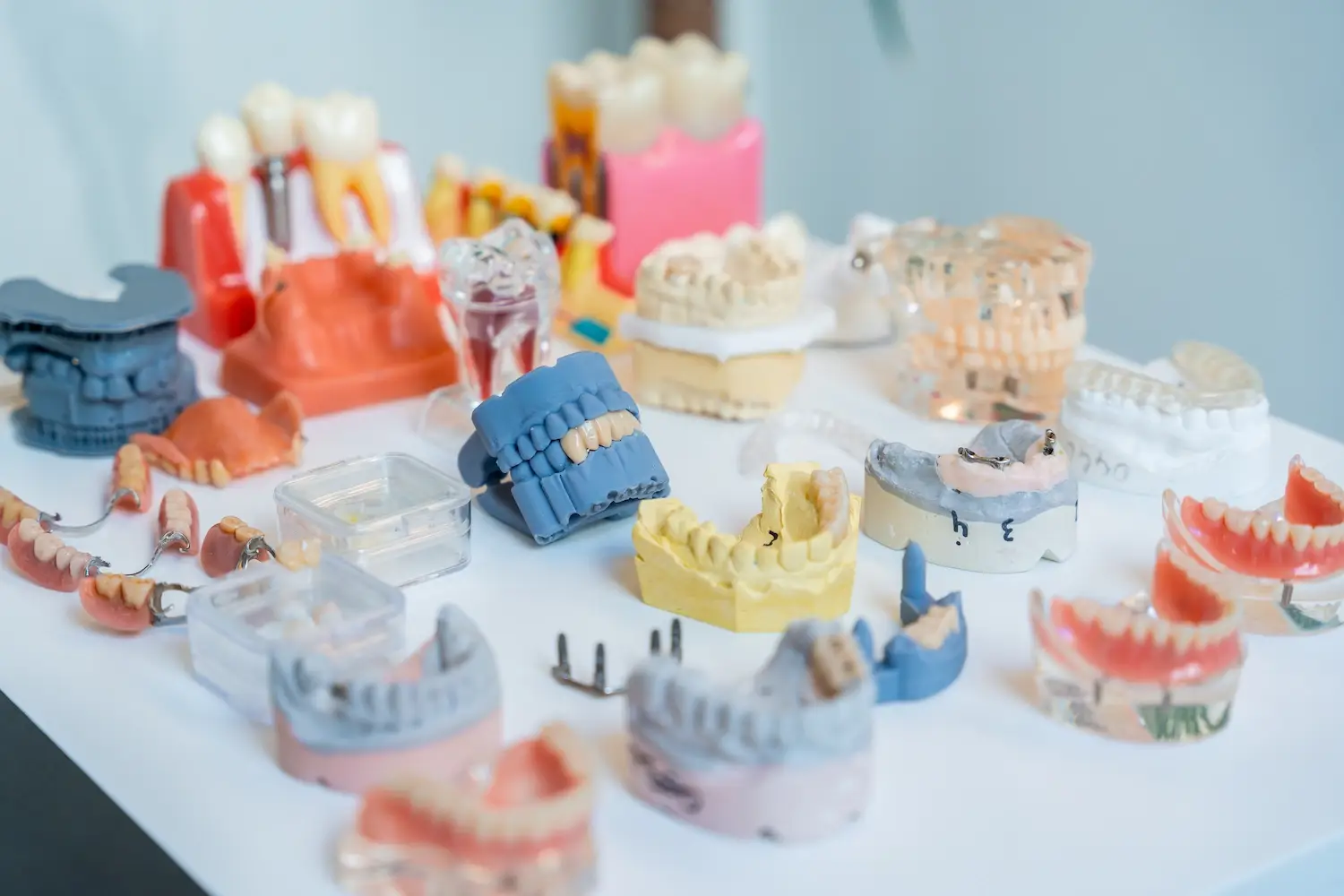

Replacing missing teeth requires a predictable, permanent treatment strategy that restores both natural chewing function and facial aesthetic balance. Understanding dental implant surgery step by step helps patients approach their treatment plan with complete confidence and realistic expectations regarding healing and final prosthetic results. A dental implant functions as a bio-compatible artificial root that integrates directly into the jawbone, serving as a stable foundation for a custom crown, bridge, or full-arch prosthesis. From initial digital 3D diagnostics and surgical placement to osseointegration and final crown fitting, following a standardized clinical roadmap ensures long-term treatment stability and optimal oral health.
What Are Dental Implants and Why Is Surgery Needed?
A dental implant is an advanced prosthetic replacement engineered to replicate the anatomical structure of a natural tooth. Unlike removable dentures or traditional dental bridges that rely on adjacent healthy teeth for support, an implant is anchored independently within the jawbone. This structure prevents jawbone resorption that naturally occurs after tooth loss, preserving facial bone architecture over time.
The titanium or zirconia post acts as an artificial tooth root inserted directly into the alveolar bone.
The abutment serves as a connector component mounted on top of the post to hold the prosthetic tooth secure.
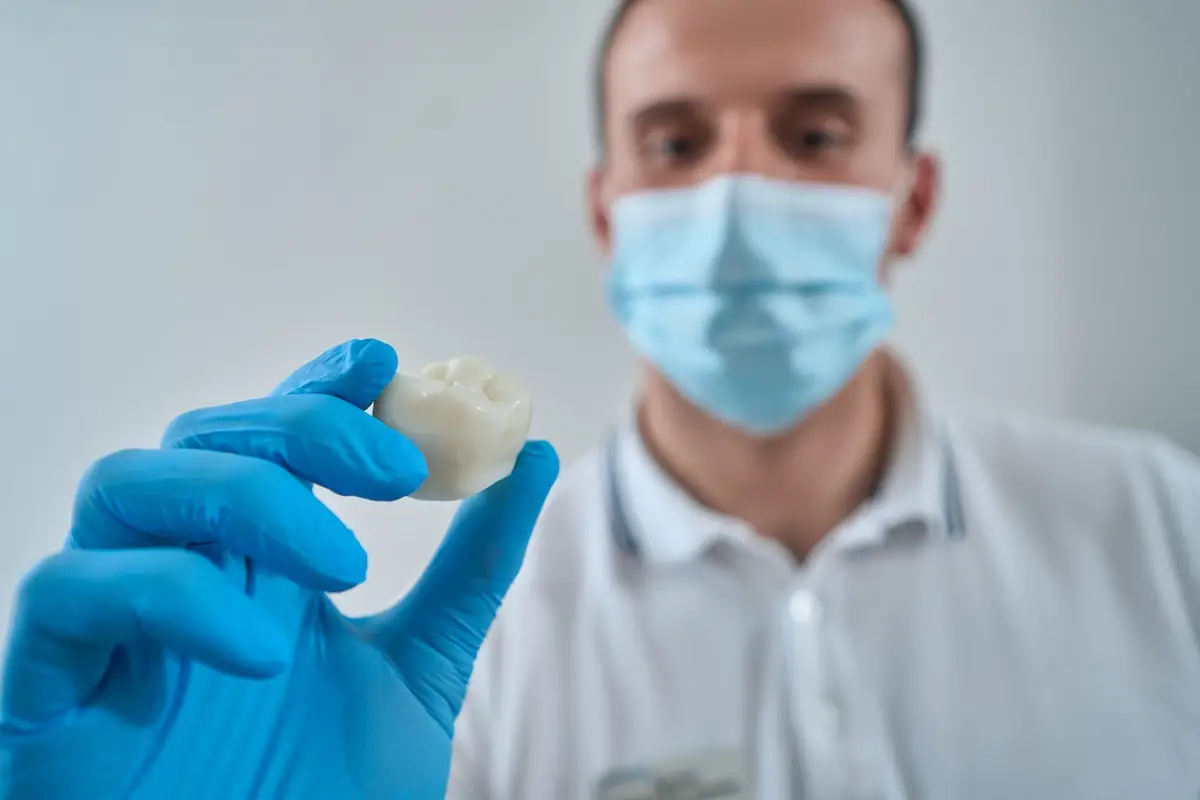
The final crown or bridge is the visible prosthetic restoration crafted to match natural tooth color and contours.
Surgical intervention is required because the artificial root must be precisely positioned within the bone tissue to achieve mechanical stability. Candidates for this treatment include individuals missing single or multiple teeth due to trauma, decay, or periodontal disease, provided they have adequate bone density and healthy surrounding gum tissue. Patients looking for comprehensive tooth replacement often explore specialized options like dental implants in Turkey to restore full oral function.

Step 1: Before Surgery – Consultation, 3D Imaging and Planning
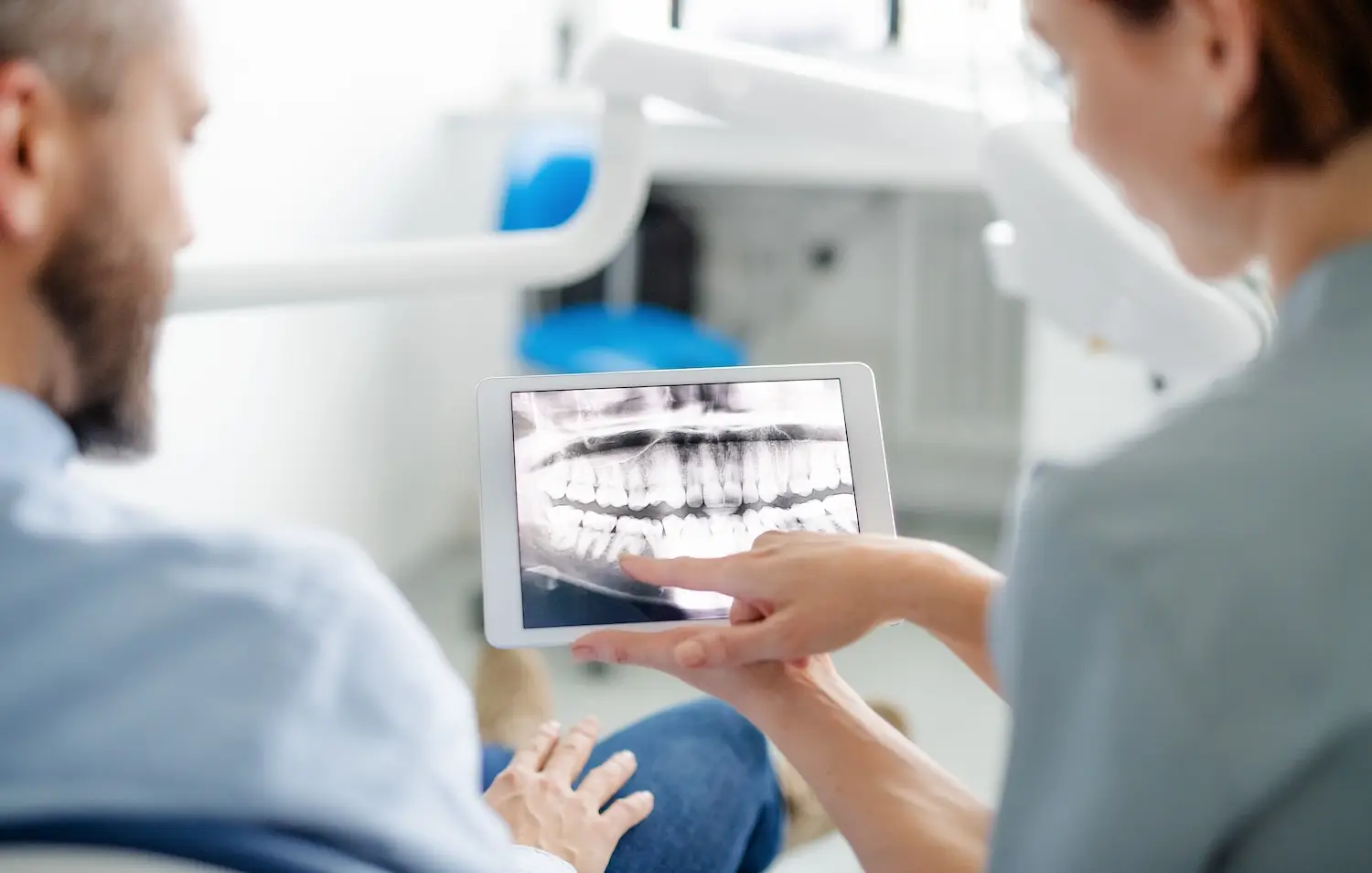
The preliminary phase of the dental implant procedure lays the foundation for accurate surgical placement and long-term functional success. During the initial consultation, experienced implantologists evaluate overall oral health, review medical history, and analyze bone structure using advanced diagnostic imaging tools.
High-resolution 3D Cone Beam Computed Tomography (CBCT) scans are performed to capture detailed volumetric images of the jawbone, nerve pathways, and sinus cavities.
Digital intraoral optical scanners create accurate 3D models of the teeth and bite, allowing clinicians to plan ideal implant placement angles.
Virtual surgical guides are designed to map the exact depth, position, and orientation of the implant post prior to the procedure.
Patients receive detailed pre-operative instructions to prepare their body for surgery. These guidelines typically include managing existing medications, discontinuing tobacco use to support tissue healing, and completing any preliminary periodontal treatments. Following these pre-op instructions minimizes surgical risks and supports smooth initial healing.

Step 2: During Surgery – The Implant Placement Procedure
Knowing what to expect during dental implant surgery helps ease anxiety surrounding the in-chair surgical process. The procedure is performed under local anesthesia to ensure complete patient comfort throughout the treatment. For patients with high dental anxiety or extensive surgical requirements, conscious sedation options can also be utilized.
Once the surgical area is completely numb, the oral surgeon makes a small incision in the gum tissue to expose the underlying jawbone. Using high-precision surgical instruments guided by 3D planning software, a small pilot hole is created in the bone. The biocompatible titanium post is then gently inserted into the designated site at a specific torque value to achieve primary mechanical stability.
After the post is securely positioned, the surgeon places a healing cap or a temporary protective restoration over the site, depending on whether an immediate-load or traditional two-stage protocol is selected. The gum tissue is then positioned around the site and secured with micro-sutures. The entire placement for a single implant typically takes between 30 and 60 minutes.
Step 3: After Surgery – Osseointegration and Recovery
Understanding the dental implant timeline requires an appreciation of osseointegration, the vital biological process where living bone cells attach directly to the surface of the titanium post. This fusion transforms the implant into a permanent anchor capable of withstanding daily masticatory forces.
The initial post-op window (first 48 hours) focuses on managing mild swelling and discomfort using prescribed analgesics and cold compresses.
The first week involves soft tissue healing, during which patients transition to a soft-food diet and follow gentle oral hygiene instructions.
Osseointegration typically takes 3 to 4 months in the lower jaw, where bone density is higher, and 4 to 6 months in the upper jaw, where the bone is naturally softer. The final crown is attached once imaging confirms this fusion is complete, usually at the end of this same window.
Adhering to strict dietary and oral hygiene rules during recovery is essential for protecting the surgical site. Patients should avoid hard, crunchy, or hot foods during the early healing phase and refrain from chewing directly over the implant area. Gentle rinsing with prescribed antibacterial mouthwashes keeps the site clean without disrupting delicate healing tissues.

Step 4: Final Restoration – Attaching Your Permanent Crown
Once digital imaging confirms that osseointegration is complete and the implant is firmly anchored in the jawbone, the final restorative phase begins. This stage shifts focus from surgical healing to technical precision and aesthetic alignment.
The dentist takes a final digital intraoral impression of the healed tissue and abutment. These digital models are sent directly to advanced in-house digital laboratories where master technicians craft the permanent ceramic or zirconia crown using automated CAD/CAM milling technology. This integrated workflow ensures precise marginal adaptation, natural optical translucency, and a comfortable bite fit.
During the final fitting appointment, the custom crown is attached securely to the abutment via screw retention or clinical-grade cement. The dentist carefully evaluates occlusal alignment, contact points with neighboring teeth, and soft tissue integration. Following a complete walkthrough of dental implant surgery step by step, the patient leaves the clinic with a fully functional, natural-looking restoration.
Request an Implant Assessment
If you are planning your restorative care abroad, scheduling a comprehensive preliminary evaluation is the first step toward a healthy smile. International patients can send their recent digital panoramic X-rays or 3D CBCT scans to our clinical team for a detailed, online preliminary assessment and customized treatment proposal before traveling to Istanbul.
Frequently Asked Questions (FAQ)
Find quick answers to the most frequently asked questions about what to expect before, during, and after your dental implant surgery.