
Understanding the true single tooth implant cost is essential for individuals planning their restorative dental journey without comprehensive health insurance coverage. Dental implants are widely recognized as the gold standard for replacing missing teeth because they provide a permanent, independent structure that looks, feels, and functions like a natural tooth. However, navigating private dental fees in Western healthcare systems often reveals steep out of pocket expenses that make treatment financially challenging. Examining the breakdown of standard fees, the factors influencing individual pricing, and accredited international alternatives provides patients with the clarity needed to make informed healthcare decisions.
Why Single Tooth Implants Are a Long-Term Investment
Replacing a missing tooth with an implant preserves oral architecture far more effectively than traditional dental bridges or removable partial dentures. Conventional bridges require aggressive reduction of adjacent healthy teeth to serve as support anchors, which can compromise natural enamel over time. In contrast, an implant is anchored independently within the jawbone, preventing the progressive bone resorption that naturally occurs following tooth loss.
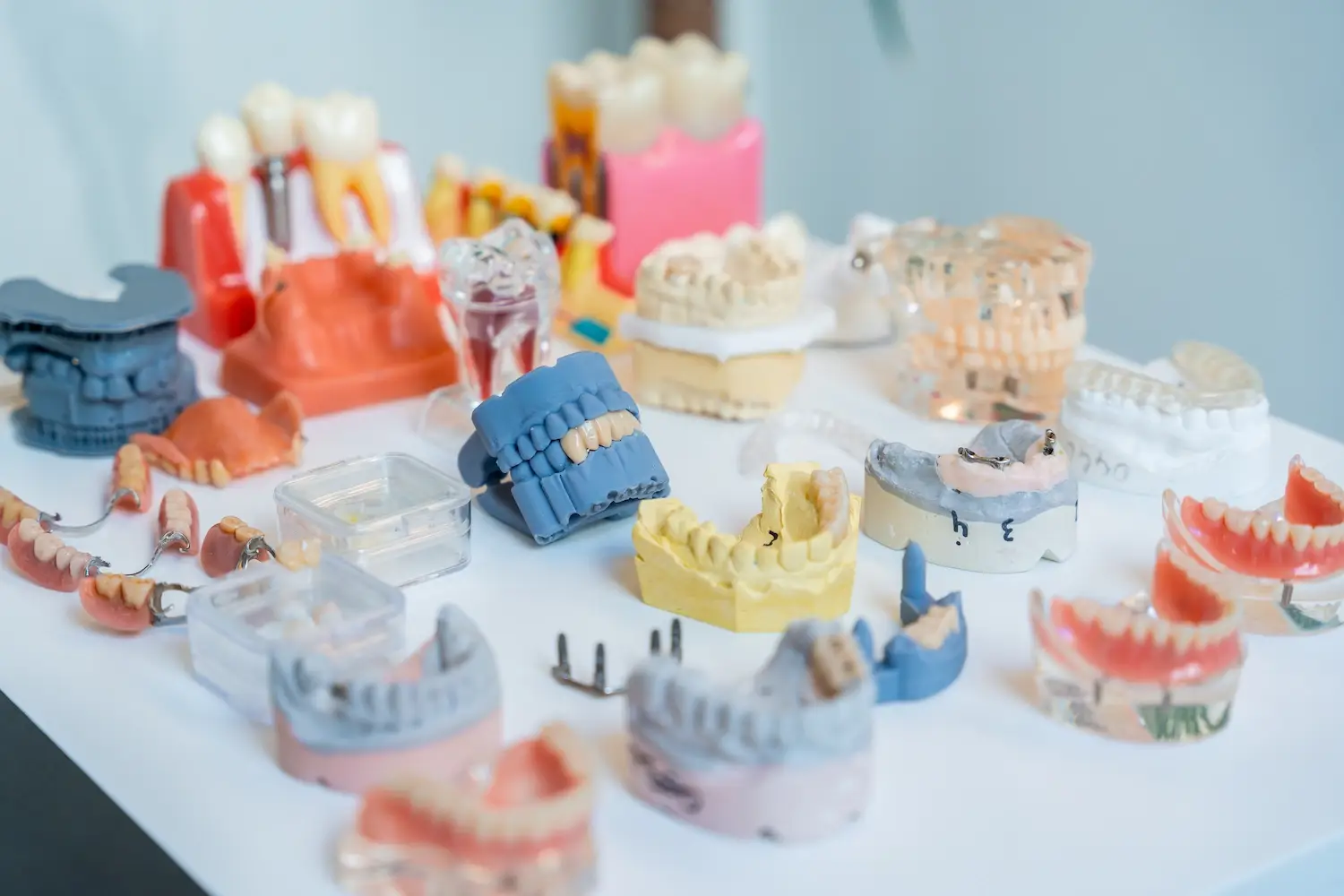
The three-part anatomical structure consists of a titanium or zirconia implant post that acts as an artificial root, a connector abutment, and a custom-milled crown restoration.
The implant post fuses directly with the jawbone through osseointegration, providing stable structural support capable of withstanding heavy daily masticatory forces.
Preserving surrounding bone density protects facial contours and prevents the shifting of neighboring teeth that often leads to secondary bite disorders.
Average Single Tooth Implant Cost and Out-of-Pocket Breakdown
Evaluating the cost of dental implant for one tooth in Western private clinics highlights significant financial differences compared to international options. In countries like the United States or the United Kingdom, patients without insurance frequently face total private expenses ranging from $3,000 to $5,000 or more per single tooth. These Western fees are typically unbundled, meaning patients receive separate invoices for each phase of care.
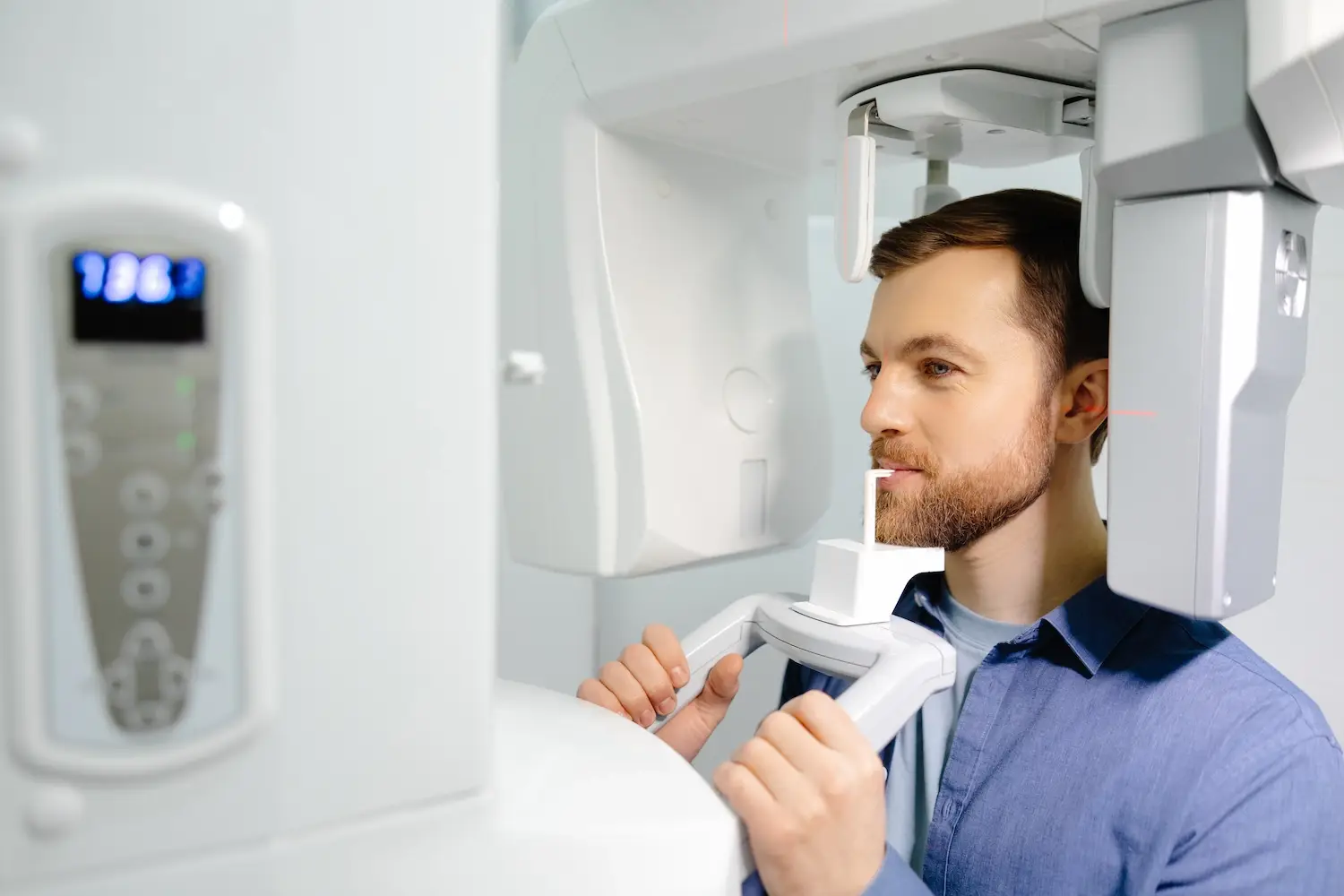
Initial diagnostic imaging, including 3D cone beam computed tomography scans and comprehensive clinical evaluations by a specialist.
Surgical placement fees charged by an oral surgeon or periodontist for inserting the artificial root fixture into the jawbone.
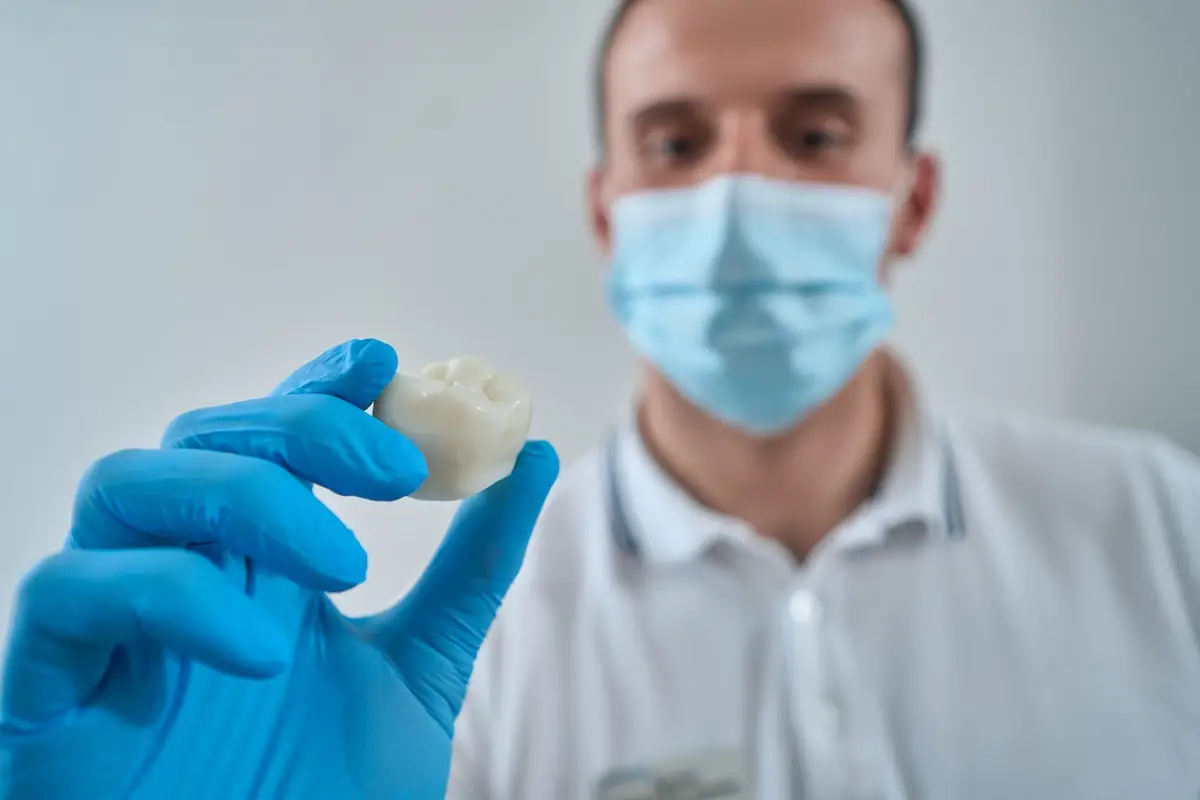
Abutment hardware procurement and specialized laboratory fabrication fees for the visible porcelain or zirconia crown restoration.
Additional clinical procedures such as simple tooth extractions or preliminary site preparation if the damaged tooth is still present.
What Factors Determine the Total Price?
Because every clinical case involves unique anatomical requirements, quoted prices vary depending on individual health conditions and material selections. A comprehensive pre-surgical examination determines whether additional preparatory steps are necessary before placement can safely proceed.
Bone density and jaw volume play a crucial role in determining the overall treatment scope. If a tooth has been missing for an extended period, the underlying alveolar bone may have experienced structural thinning. When 3D diagnostics reveal insufficient bone width or height, supplementary bone grafting procedures become necessary to ensure secure post stabilization.
Material choices and hardware brand tiers also directly influence overall expenses. Premium European components, such as Medentika implants engineered by the Straumann Group alongside Amann Girrbach CAD/CAM prosthetic crown restorations, offer superior biocompatibility, long-term durability, and traceable manufacturing standards. Selecting globally recognized, clinically documented component systems ensures reliable osseointegration and minimizes the risk of mechanical failure over decades of use.
A Smarter Alternative: Single Tooth Implants in Istanbul, Turkey
For patients seeking affordable dental implants Turkey provides an advanced clinical alternative that significantly reduces out of pocket expenses without compromising medical standards. While Western clinics charge several thousand dollars for a single restoration, accredited institutions in Istanbul offer comprehensive pricing structures. At Esnan Dental Clinics, the estimated cost range for a single implant using premium European components spans $500 – $750.
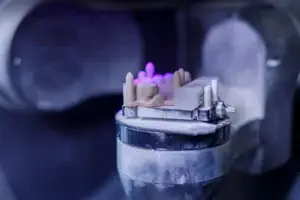
This transparent cost range specifically covers precision-engineered European hardware: a Medentika implant fixture paired with an Amann Girrbach CAD/CAM prosthetic crown restoration. Esnan is able to deliver these top-tier international implantology standards at a fraction of Western clinic fees through lower regional operational overhead, direct manufacturer supply partnerships, and high-efficiency in-house digital laboratories that eliminate third-party markup costs. Operating under rigorous group-wide JCI accreditation and TEMOS International certifications, Esnan Dental Clinics combines advanced digital workflows with strict safety protocols to support international patients throughout their care journey.

Request a Free Single-Tooth Cost Assessment
If you are currently evaluating restorative options for a missing tooth and require a precise financial evaluation, our clinical coordination team is ready to assist you. International patients can securely submit their recent digital panoramic X-rays or 3D CBCT scans to receive a detailed, itemized preliminary cost estimate and personalized treatment plan prior to traveling to Istanbul.
Frequently Asked Questions
Below are answers to the most common questions international patients ask regarding out-of-pocket implant pricing, insurance coverage, and treatment packages in Istanbul.