
For thousands of international patients researching medical care abroad, the most critical question remains: is dental treatment in Turkey safe when compared to domestic healthcare standards? The answer depends entirely on selecting a healthcare provider governed by verifiable international quality audits, transparent clinical protocols, and strict regulatory oversight. While Turkey has become a prominent hub for restorative and implant dentistry, patient safety is never automatic; it is the direct result of choosing accredited institutions that operate under standardized hospital-grade hygiene and clinical governance frameworks. Evaluating independent accreditations, sterilization workflows, and specialist credentials allows patients to distinguish reputable medical networks from unverified commercial clinics.
Why Verifying Safety Standards Matters in Dental Tourism
Navigating dental tourism safety Istanbul requires looking beyond promotional claims and focusing on objective clinical indicators. Because regulatory compliance can vary significantly between small independent offices and large institutional networks, patients must verify how a facility manages clinical risks before committing to treatment.
Reputable dental institutions publish clear documentation regarding their operational governance, diagnostic protocols, and material traceability. By prioritizing measurable safety benchmarks over aggressive marketing, international patients protect their long-term oral health and ensure predictable clinical outcomes.

What Makes Dental Treatment in Turkey Safe? Key Clinical Standards
Understanding what makes dental treatment in Turkey safe requires examining the clinical infrastructure, regulatory audits, and infection control systems enforced within accredited facilities. Top-tier institutions operate under multi-layered verification protocols designed to eliminate medical errors and cross-contamination risks.
International Accreditations
Independent third-party accreditations serve as the most reliable proof of institutional safety. Evaluating JCI accredited dental clinics Turkey provides patients with confidence that a facility meets global healthcare benchmarks. Joint Commission International (JCI) evaluates ambulatory care centers across hundreds of measurable criteria, including patient identity verification, surgical site marking, medication management, and emergency preparedness. Additionally, specialized certifications from TEMOS International audit the entire cross-border patient pathway, verifying ethical medical guidance, transparent communication, and post-treatment continuity of care.
Sterilization and Infection Control
Strict sterilization protocols in dentistry are essential for preventing bloodborne and airborne pathogen transmission during invasive procedures. Accredited clinics operate centralized sterilization departments equipped with hospital-grade Class B vacuum autoclaves that sterilize surgical instruments under high-pressure steam.
Every surgical handpiece and reusable instrument undergoes ultrasonic cleaning, thermal disinfection, individual sterilization pouching, and biological spore testing to verify complete microbial elimination.
Single-use disposable barriers, needles, suction tips, and surgical drapes are utilized for every patient and discarded immediately into regulated biohazard containers after each appointment.
Treatment rooms undergo surface disinfection with medical-grade virucidal and bactericidal agents between every patient consultation.
These audited sterilization workflows ensure that clinical environments remain completely protected against cross-contamination.
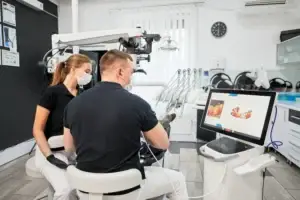
Surgeon Credentials and Specialization
Clinical safety relies directly on practitioner qualifications and departmental specialization. Under Turkish Ministry of Health regulations, licensed dental clinics must maintain verified specialist credentials for complex interventions. Rather than relying on a single general dentist to perform every procedure, leading dental networks divide clinical responsibilities among dedicated departments—including Oral and Maxillofacial Surgery, Prosthodontics, Endodontics, and Periodontology—ensuring each phase of care is executed by an experienced specialist.
Red Flags to Watch Out For When Evaluating Clinics
Recognizing warning signs early helps patients avoid substandard facilities that compromise clinical ethics for rapid commercial turnover. When researching clinics abroad, specific operational omissions should prompt immediate caution.
Refusal or inability to provide verifiable accreditation certificates, official Ministry of Health operating licenses, or the names and registration numbers of treating specialists.
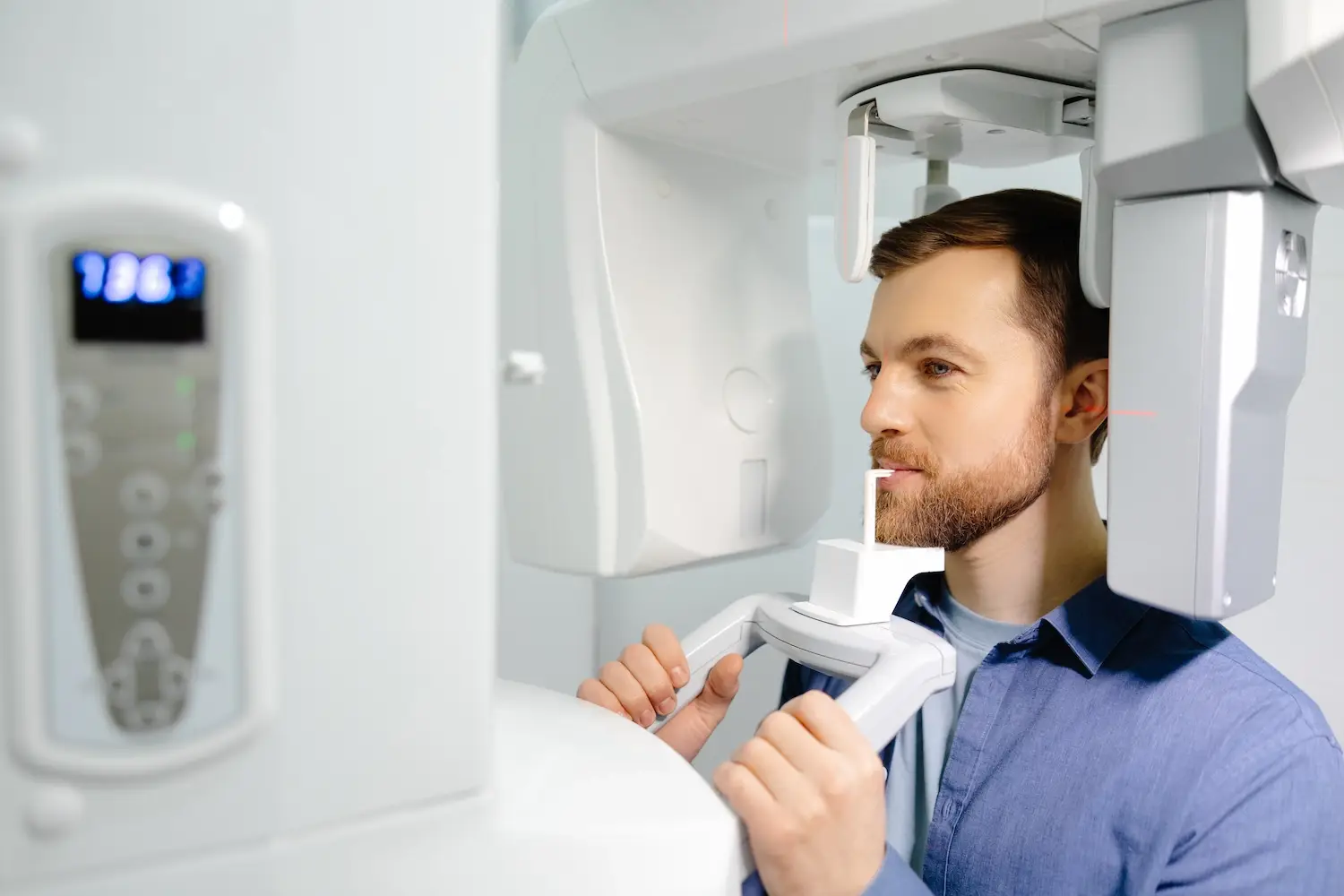
Providing final, binding treatment plans solely based on photographs without requiring 3D Cone Beam Computed Tomography (CBCT) imaging or comprehensive on-site diagnostics.
Lack of transparency regarding implant and prosthetic material brands, or failure to issue official serial-numbered implant passports and manufacturer certificates upon completion.
Absence of written post-treatment care protocols, emergency triage instructions, or clearly defined warranty terms before treatment begins.
Avoiding providers that exhibit these warning signs significantly reduces the risk of diagnostic errors, premature restoration failure, and unresolved post-operative complications.
Esnan Dental Clinics’ Compliance and Quality Assurance
At Esnan Dental Clinics, clinical safety is anchored in audited institutional governance and transparent patient care protocols. Operating under group-wide JCI accreditation for Ambulatory Care, alongside specialized TEMOS International certifications for Quality in Dental Care and Excellence in Dental Tourism at the flagship Skyland clinic, the network enforces strict regulatory compliance across all departments. Multi-step patient verification systems, centralized autoclave sterilization units, and full material traceability ensure that every diagnostic and surgical procedure meets international medical standards.
Ultimately, knowing how clinics keep dental treatment in Turkey safe empowers patients to make informed, evidence-based healthcare decisions. Verifying independent accreditations, reviewing quality standards, and confirming specialist credentials before booking ensures that your restorative care in Istanbul is conducted within a secure, medically accountable environment. Explore our full range of regulated clinical procedures on our treatments page.

Verify Your Clinical Plan with Esnan Specialists
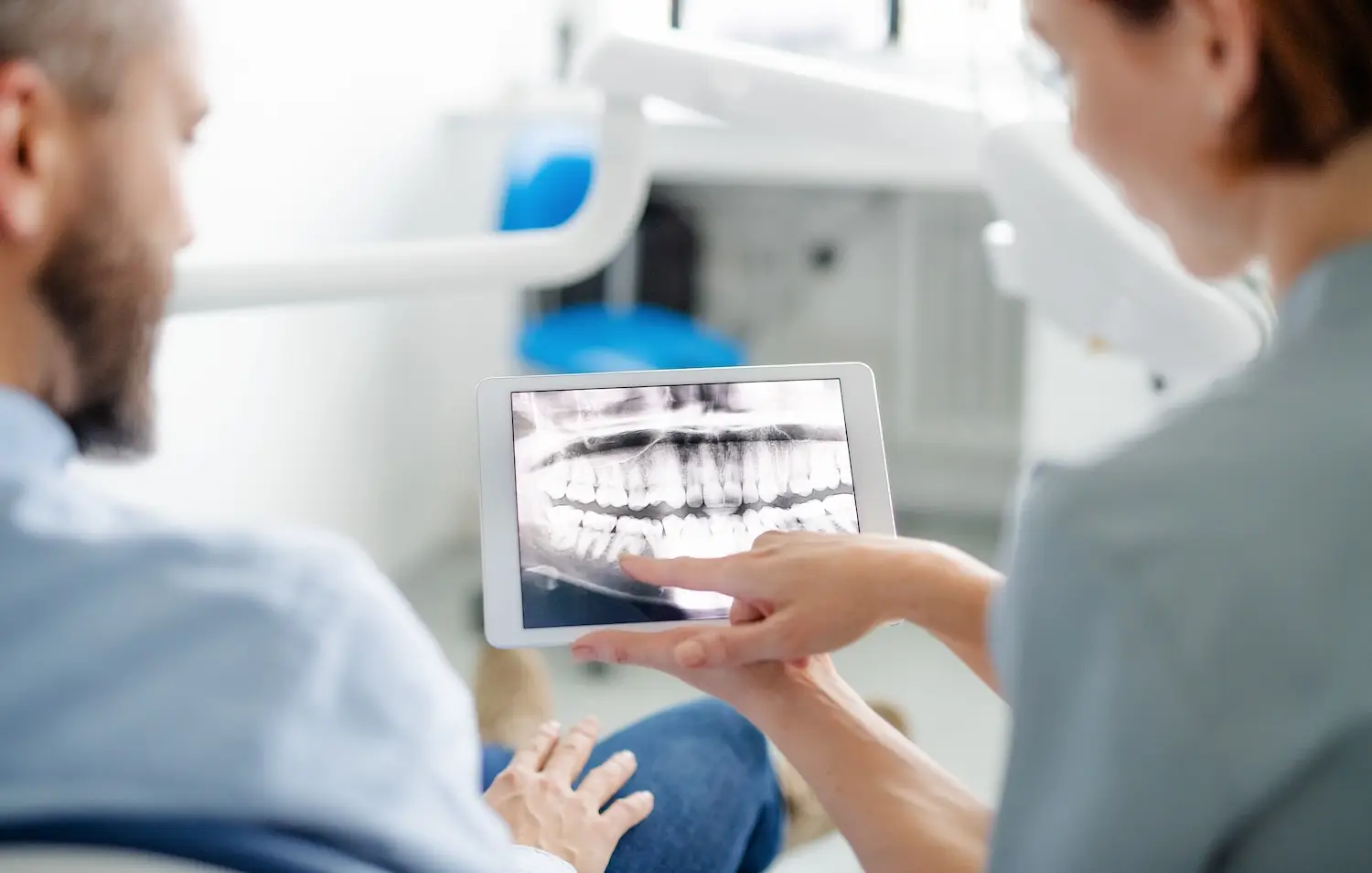
Before making any travel commitments, you can review our clinical credentials and discuss your diagnostic requirements directly with our medical board. International patients are invited to share their recent panoramic X-rays or 3D CBCT scans for a transparent preliminary clinical evaluation and safety verification.
Frequently Asked Questions
Below are answers to the most common questions international patients ask regarding clinical safety, hygiene, and standards in Istanbul dental clinics.