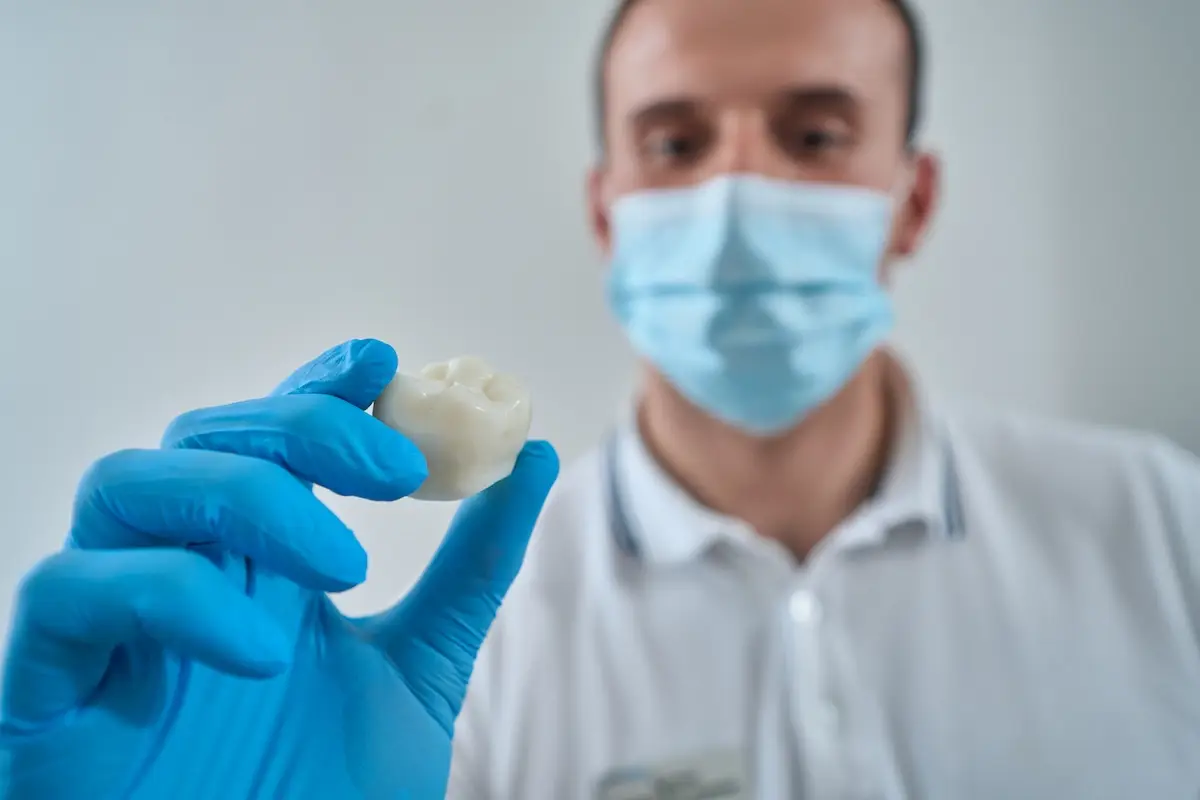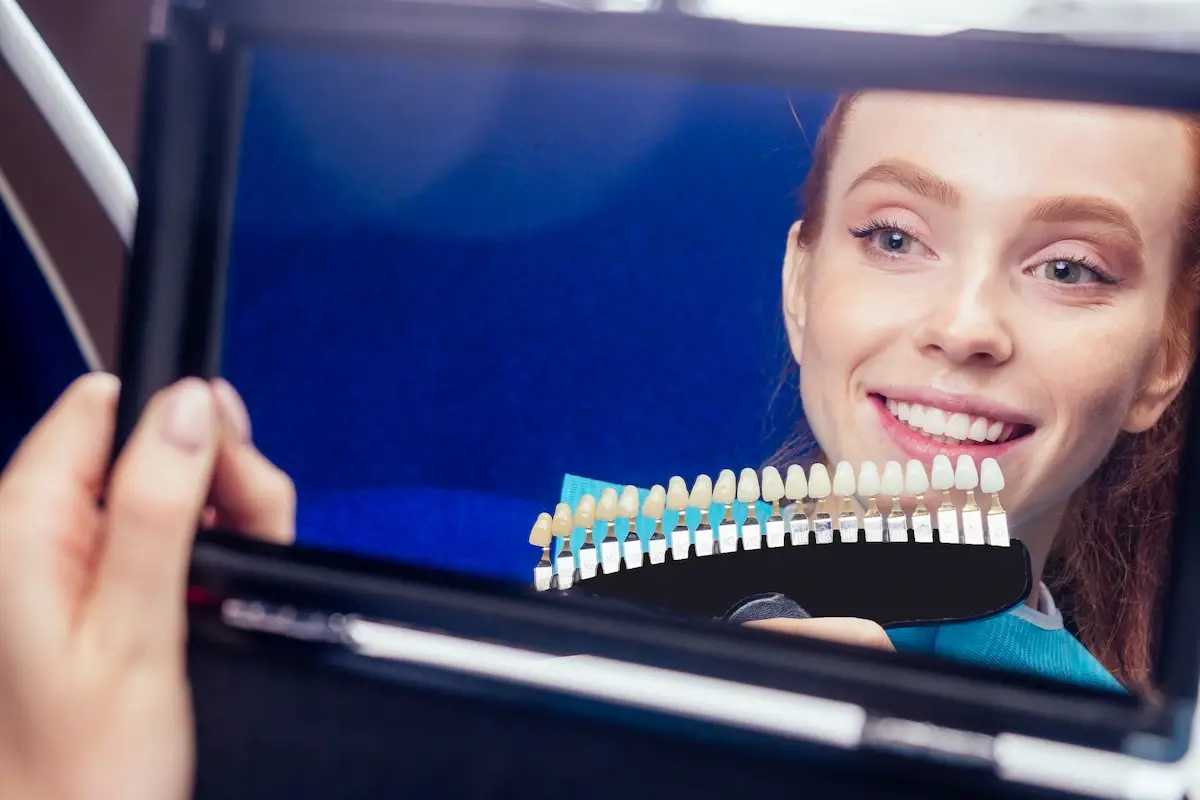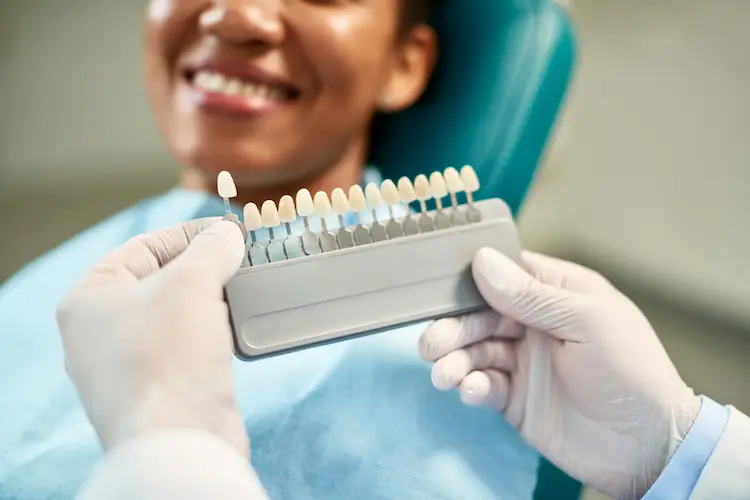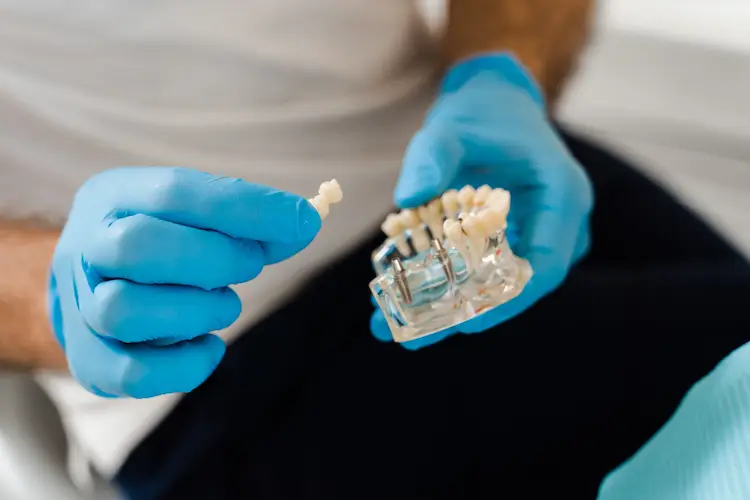

Getting a dental veneers in turkey procedure allows international patients to transform their smiles using advanced cosmetic dentistry techniques at globally recognized standards. Choosing dental veneers in Turkey offers individuals an effective solution to correct severe discoloration, chips, misalignment, and gaps in a streamlined time frame. This comprehensive treatment combines digital treatment planning with premium restorative materials to deliver long-lasting, natural-looking results. By understanding the treatment protocol, material options, and necessary maintenance steps, you can confidently approach your smile design journey with complete peace of mind.
Step-by-Step Dental Veneers Procedure in Istanbul
The clinical process of fitting dental veneers requires meticulous preparation, advanced technical expertise, and custom lab craftsmanship to achieve an optimal fit and aesthetic balance. Modern cosmetic dentistry relies on structured protocols to ensure patient comfort and long-term restorative success at every stage.
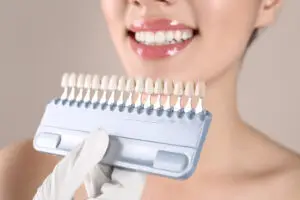
Step 1: Initial Consultation and Digital Smile Design
Your treatment begins with a comprehensive oral evaluation to assess overall dental health, gum stability, and jaw alignment. Panoramic X-rays and 3D intraoral scans are taken to evaluate the underlying tooth structure, enamel thickness, and root conditions. Checking for pre-existing conditions such as active decay or periodontal disease is essential, as these must be treated before cosmetic work begins.
Using Digital Smile Design (DSD) technology, your dentist maps out the exact proportions of your future smile, aligning the shape, length, shade, and contours of the veneers with your facial features, skin tone, and personal preferences. This digital preview allows you to visualize the final outcome, request adjustments, and approve the clinical blueprint before any physical intervention occurs.
Step 2: Minimal Tooth Preparation & Temporary Veneers
To ensure a flush fit and seamless transition at the gumline, a microscopic layer of enamel is prepared. Dentists perform a precise 0.3mm – 0.5mm enamel reduction on the front surface of the natural teeth. This conservative preparation preserves maximum tooth structure, maintains vitality, and prevents a bulky appearance while creating adequate space for the porcelain layer.
Once the teeth are prepared, digital impressions or high-precision physical molds are captured and sent to the laboratory. High-quality temporary veneers crafted from acrylic or composite resin are then placed over the prepared surfaces. These temporaries shield your underlying natural teeth from thermal sensitivity, maintain daily chewing functionality, and preserve your appearance during the fabrication period.
Step 3: Laboratory Fabrication and Final Bonding
During the manufacturing phase, specialized laboratory technicians craft your custom restorations using high-precision CAD/CAM systems and artistic hand-layering techniques. Each veneer is tailored to match the optical properties, light translucency, and subtle micro-textures of natural tooth enamel.
When the permanent veneers are ready, a physical try-in session is conducted to inspect shade matching, margin adaptation, bite symmetry, and facial harmony. Once both the patient and dentist approve the appearance and fit, the natural teeth are etched and isolated. The veneers are then permanently fixed using medical-grade resin cement and light-curing technology. The entire clinical stay in Istanbul typically spans 5–7 days from the initial assessment to the final fitting.
Types of Veneers Used in the Procedure
Choosing the correct material plays a crucial role in determining the strength, translucency, and overall longevity of your cosmetic restoration. Clinical evaluations help identify which option aligns best with your dental health, aesthetic goals, and functional demands.
| Veneer Type | Key Material Characteristics | Average Lifespan | Ideal Candidate |
| Porcelain Laminate Veneers | High translucency, exceptional stain resistance, natural light reflection | 10-15+ Years | Patients seeking high aesthetic quality and durability for discolored or chipped teeth |
| Composite Veneers | Direct resin application, quick single-visit treatment, lower initial cost | 5-7 Years | Patients needing minor cosmetic touch-ups or budget-friendly temporary solutions |
| E-Max Porcelain Veneers | Lithium disilicate glass-ceramic, superior strength, ultra-thin profile | 15+ Years | Patients demanding maximum durability and ultra-natural aesthetics for front teeth |
Aftercare and Maintenance for Long-Lasting Veneers
Proper postoperative care and daily oral hygiene are essential to extend the lifespan of your new smile and protect the underlying natural tooth structures. Consistent attention to marginal cleanliness prevents secondary caries and ensures the surrounding soft tissues stay healthy and firm.
Maintaining your new smile involves consistent daily habits and protective measures that safeguard both the ceramic shells and the underlying natural structures.
Brush twice daily using a soft-bristled toothbrush and non-abrasive fluoride toothpaste to avoid scratching the polished ceramic surface of your veneers.
Floss daily between all teeth to clean interdental spaces, remove food debris, and keep gum tissues healthy around the restoration borders.
Avoid using your teeth as tools to open packages, bite nails, or crunch on hard objects like ice, bone fragments, or hard candies.
Wear a custom-fitted night guard during sleep if you suffer from bruxism (teeth grinding) to shield the delicate ceramic margins from excessive biting pressure.
Schedule professional dental checkups and deep cleanings every 6 months to monitor restoration integrity, evaluate gum health, and maintain overall oral hygiene.
Adopting these disciplined oral care practices guarantees that your restorations remain stain-free, securely bonded, and visually stunning for years to come.
Transforming Your Smile in Turkey
Undergoing a dental veneer transformation in Istanbul combines state-of-the-art restorative techniques with personalized patient care. From conservative enamel preparation and advanced digital manufacturing to comprehensive aftercare guidance, every stage of the treatment is structured to deliver clinical excellence, natural symmetry, and functional comfort. By choosing qualified specialists and selecting high-grade restorative materials, international patients achieve long-term satisfaction with minimum hassle. With proper material selection and routine maintenance, your custom-designed smile will remain functional, healthy, and radiant.
Ready to take the first step toward your dream smile? Contact our clinical team today to receive a personalized digital consultation, treatment plan, and transparent cost estimate tailored to your unique dental needs.
Frequently Asked Questions
Below, you will find quick and clear answers to the most common questions regarding dental veneers in Turkey.