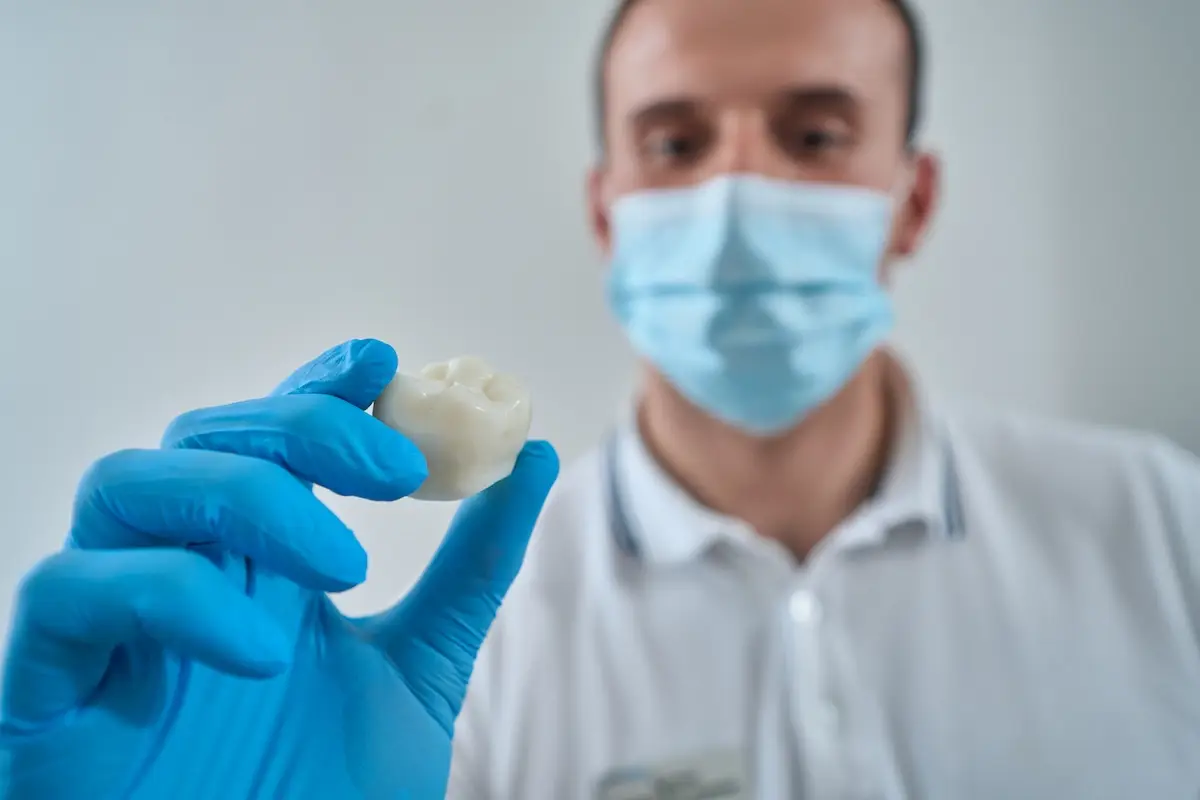

Surgical dental treatments Turkey offers provide a comprehensive approach for addressing complex oral pathologies, severe bone loss, and extensive anatomical reconstructions that extend beyond general dentistry. Patients requiring specialized care can access advanced interventions through oral surgery in Turkey, where high-level clinical protocols ensure predictable function and aesthetic rehabilitation. Modern oral and maxillofacial surgery incorporates state-of-the-art diagnostic imaging, computer-guided surgical templates, and minimally invasive techniques to treat structural irregularities effectively. Whether managing impacted wisdom teeth, rebuilding resorbed alveolar ridges, or executing full-arch implant restorations, specialist care guarantees precision at every phase. By combining board-certified surgical mastery with sophisticated technology, international patients receive world-class care structured to restore long-term oral health and structural integrity.
Key Disciplines in Oral and Maxillofacial Surgery
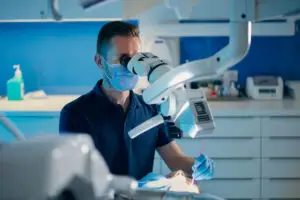
Oral and maxillofacial surgery represents an essential bridge between dentistry and medicine, focusing on diagnosing and surgically treating diseases, injuries, and defects involving both the hard and soft tissues of the head, neck, face, and jaw regions. Applying specialist surgical dental treatments Turkey ensures that complex cases receive meticulous biomechanical and anatomical evaluation prior to any invasive intervention. This field relies heavily on a multidisciplinary vision, working in close harmony with prosthodontists, periodontists, and orthodontists to rebuild intricate oral structures. From correcting traumatic injuries to executing bone augmentation and orthognathic realignments, the expertise of a dedicated oral surgeon minimizes operative risks, accelerates tissue regeneration, and establishes a stable foundation for long-term functional stability.
Specialized Sub-Branches of Dental Surgery
Modern oral surgery encompasses several distinct sub-branches, each designed to resolve specific structural, functional, or pathology-related challenges in the oral cavity.
Advanced Implantology and Full-Arch Reconstruction
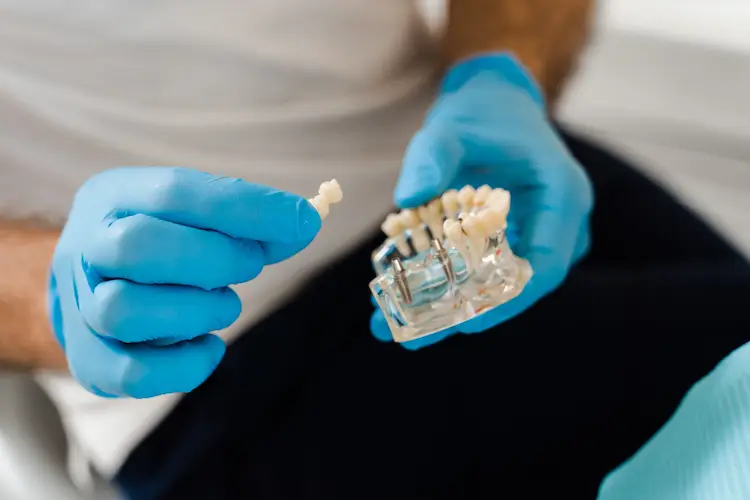
Advanced implantology focuses on replacing missing teeth using biocompatible titanium or zirconia posts anchored directly into the jawbone. In cases of severe, widespread tooth loss, full-arch reconstruction protocols such as All-on-4 or All-on-6 utilize strategically angled implants to maximize available bone contact and support fixed prostheses immediately.
Digital guided surgery utilizes 3D computer planning to place implants with millimeter accuracy, avoiding critical nerve structures and maxillary sinuses.
Immediate loading techniques allow temporary, fully functional fixed bridges to be attached on the exact day of surgery.
High success rates exceeding 98% are achieved by utilizing premium, scientifically validated implant systems placed by experienced specialists.
These advanced implant solutions restore full masticatory force and facial aesthetics, preventing the progressive jawbone resorption associated with long-term tooth loss.
Bone Grafting and Sinus Augmentation
When a patient experiences prolonged tooth loss, periodontal disease, or trauma, the surrounding alveolar bone naturally resorbs over time, leaving insufficient volume for stable implant placement. Bone grafting procedures reconstruct lost dimensions using autogenous, allograft, or synthetic bone particulate to restore optimal height and width.
Sinus lift surgery raises the delicate maxillary sinus membrane to insert bone grafting materials beneath it, creating adequate bone depth in the upper posterior jaw.
Block bone grafting transfers small segments of natural bone to rebuild severely compromised jaw ridges.
Guided bone regeneration employs specialized barrier membranes to protect grafting materials while encouraging natural bone cells to flourish.
Through these advanced augmentation techniques, even patients with severe structural bone deficits can become ideal candidates for permanent dental implants.
Impacted Teeth and Surgical Extractions
Impacted teeth occur when third molars or canines fail to erupt fully through the gum line due to overcrowding, improper angulation, or physical obstruction. Leaving impacted teeth untreated often leads to chronic pericoronitis, cysts, root damage to adjacent teeth, and localized severe pain.
Surgical extractions involve creating a small precision incision in the gum tissue and gently sectioning the tooth for safe removal.
Apicoectomy, or root-end surgery, removes the infected tip of a tooth root along with surrounding inflamed tissue when traditional root canal therapy fails.
Nerve mapping using 3D imaging prevents injury to the inferior alveolar nerve during lower wisdom tooth extractions.
Timely surgical intervention removes chronic sources of infection, relieves localized nerve pressure, and protects the alignment and health of neighboring teeth.
Corrective Jaw Surgery and Soft Tissue Management
Corrective jaw surgery, or orthognathic surgery, resolves structural discrepancies between the upper and lower jaws that cause severe bite misalignments, facial asymmetry, and obstructive sleep apnea. Soft tissue management complements these bone procedures by optimizing gum architecture around teeth and implants.
Soft tissue grafting harvested from the palate reinforces thin, receding gums to protect tooth roots and implant margins.
Crown lengthening recontours excess gum tissue and underlying bone to expose healthy tooth structure for restorative work.
Orthognathic repositioning realigns the maxilla or mandible to restore harmonious chewing mechanics and balanced facial aesthetics.
These detailed interventions ensure that both soft tissue framing and underlying skeletal foundations operate in perfect anatomical alignment.
Comprehensive Overview of Surgical Dental Procedures
Understanding the operational specifics, recovery parameters, and clinical outcomes of surgical dental treatments Turkey helps patients plan their care with confidence.
| Surgical Procedure | Clinical Indication | Anesthesia Type | Average Recovery Time | Long-Term Success Rate |
| Dental Implant Placement | Single or multiple missing teeth | Local / Conscious Sedation | 3 to 7 days initial tissue recovery | 95% – 98% |
| Sinus Lift (Open/Closed) | Inadequate bone height in upper jaw | Local / Conscious Sedation | 5 to 10 days; 4-6 months bone fusion | 93% – 97% |
| Autogenous/Xenograft Bone Grafting | Width or height bone volume deficit | Local / Sedation / General | 7 to 14 days initial healing | 90% – 95% |
| Impacted Wisdom Tooth Extraction | Partially erupted or cyst-forming third molars | Local / Sedation / General | 3 to 5 days initial healing | High predictability |
| Apicoectomy (Root-End Surgery) | Persistent apical infection post-root canal | Local Anesthesia | 2 to 4 days initial tissue healing | 85% – 92% |
Advanced clinical protocols and precise diagnostic planning ensure that recovery windows remain comfortable and predictable across all procedural tiers.
Why Specialist Surgical Expertise Matters for Complex Cases
Executing successful surgical dental treatments Turkey requires exceptional surgical proficiency, rigorous medical qualifications, and specialized clinical infrastructure. Board-certified oral and maxillofacial surgeons undergo rigorous post-doctoral clinical residency training beyond standard dental schooling, mastering advanced surgical techniques, emergency protocols, and deep anatomical head and neck dissection. This level of specialization is crucial when navigating intricate nerve pathways, sinus cavities, and delicate vascular networks.
Furthermore, state-of-the-art diagnostic technology plays a pivotal role in procedural safety and long-term success. The integration of 3D Cone Beam Computed Tomography (CBCT) provides high-resolution, three-dimensional views of the patient’s exact bone density, nerve pathways, and sinus anatomy. Performing surgery within fully equipped, sterile operating suites adhering to international hospital hygiene standards drastically reduces infection risks and guarantees optimal patient safety during complex reconstructions.
Step-by-Step Surgical Journey for International Patients
Receiving specialist oral surgery abroad follows a structured, highly coordinated pathway designed to maximize clinical outcomes and patient comfort.
Initial digital assessment begins with a thorough evaluation of your imported 3D CBCT scans and medical history to formulate a tailored treatment plan.
Pre-operative consultation on day one includes clinical oral examination, digital impression scanning, and a final review of anesthesia options.
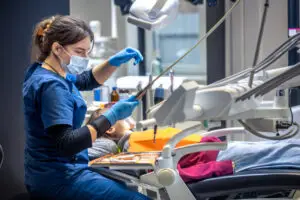
The surgical procedure is performed in a sterile environment using local anesthesia, conscious sedation, or general anesthesia depending on case complexity.
Post-operative recovery involves dedicated monitoring, prescription medication protocols, and clear post-surgical diet and hygiene guidelines.
Suture removal and follow-up checks take place 7 to 10 days post-surgery, or follow-up coordination is established before your return home.
This streamlined protocol ensures seamless care from your initial consultation through complete tissue healing and restorative completion.
Transform Your Oral Health with World-Class Surgical Care in Turkey
Rebuilding complex dental structures, restoring severe bone loss, and achieving a fully functional, healthy smile requires the precise hand of a trained surgical specialist. Advanced surgical interventions eliminate chronic oral infections, restore lost jawbone volume, and create a permanent foundation for life-changing implant restorations. By utilizing high-resolution 3D CBCT diagnostics, modern sterile surgical suites, and custom digital planning, international patients receive safe, predictable, and remarkably comfortable surgical care. Investing in expert oral surgery resolves painful dental issues at their root, preserving your long-term facial aesthetics, chewing efficiency, and quality of life. Contact our clinical team today to submit your 3D imaging for a preliminary surgical assessment and take the first step toward a restored smile.
Frequently Asked Questions
Below, you will find quick and clear answers to the most common questions regarding surgical dental treatments Turkey.