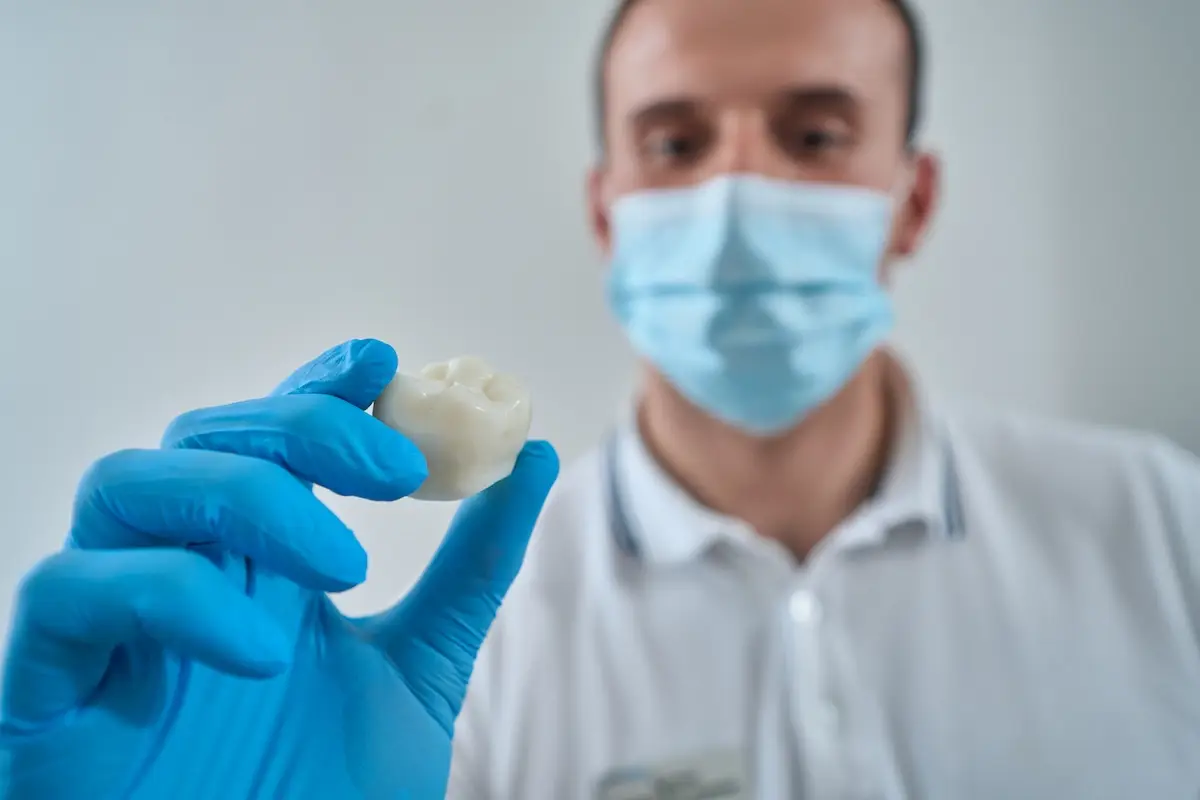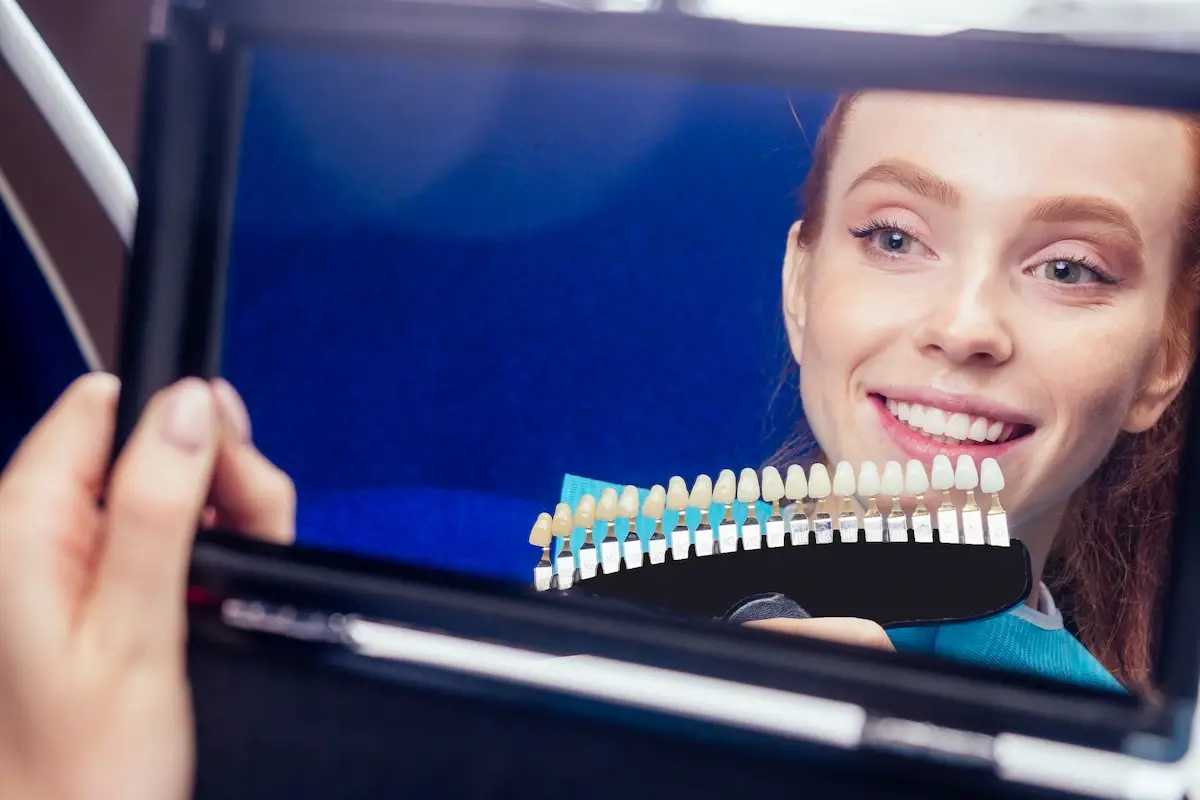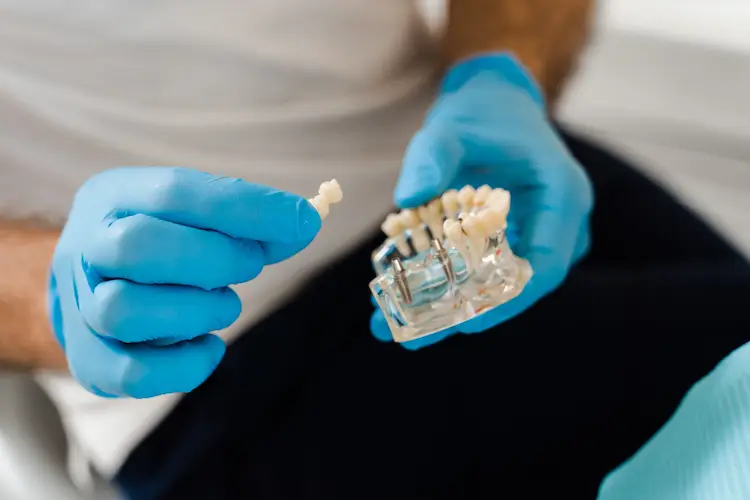

The selection of the appropriate dental restoration influences the appearance, strength, and comfort in the long term. The restorations made of zirconia are well-liked in terms of durability and their appearance. One of the most frequented questions posed by patients is the topic of the difference between zirconia vs monolithic zirconia. Learning about these choices can enable you to make a well-informed treatment choice. This blog describes the materials in an easy to understand manner.
What Is Zirconia in Dentistry?
Zirconia is a powerful ceramic that is used in restorations of the teeth. It is recognized to be durable and biocompatible. It is commonly used by dentists in crowns and bridges. Zirconia is not easily fractured as compared to most conventional materials. It also provides a natural appearance look.
What Is Monolithic Zirconia?
Monolithic zirconia is produced through one solid block of zirconia. There is no porcelain overlay in it. This structure gives high strength with low chipping possibility. Dentists usually recommend it in restorations of back teeth. It offers stability over long term of chewing.
Zirconia vs Monolithic Zirconia: Key Differences
Both of them have zirconia, but the structure of the two is different. The conventional Zirconia restorations have a porcelain surface layer. Monolithic zirconia involves the use of a single material. This disparity impacts strength, appearance, and clinical usage. With this knowledge of these differences, it becomes possible to choose the most appropriate restoration.
Strength and Durability Comparison
The strength is a significant consideration in the selection of the restorations. Conventional zirconia is tough but porcelain which is overlaid can be chipped. The solid structure of monolithic zirconia makes it extremely durable. It manages biting force in the long run. It is perfect in the case of molars and bridges.
Aesthetic Differences Between Zirconia Types
Aesthetics are important particularly to front teeth. Zirconia is available in layers, which provide a greater depth of translucency and color. It resembles natural enamel closely. Monolithic zirconia is a little bit less transparent. But its appearance is highly enhanced in modern staining methods.
Which Option Is Better for Front Teeth?
Front teeth must be natural-looking and smooth. Zirconia layers are commonly used in visible places. It enables a thorough customization and improved light reflection. In bright light, monolithic zirconia can be less realistic. Dentists tend to select according to the visibility of smiles.
Which Option Is Better for Back Teeth?
Back teeth endure strong chewing forces daily. Monolithic zirconia provides superior strength for these areas. It resists cracking and wear over time. Traditional zirconia may chip under heavy pressure. Monolithic designs are often recommended for molars.
Longevity and Wear Resistance
Both materials offer long-lasting results with proper care. Monolithic zirconia typically lasts longer due to reduced fracture risk. It causes minimal wear on opposing teeth when polished correctly. Layered zirconia may need repairs if porcelain chips. Longevity depends on bite habits and hygiene.
Biocompatibility and Safety
Zirconia materials are highly biocompatible. They rarely cause allergic reactions or irritation. Both options integrate well with gum tissue. This makes them safe for long-term oral use. They are suitable for patients with metal sensitivities.
Preparation and Tooth Reduction
Tooth preparation varies depending on the material used. Monolithic zirconia often requires less tooth reduction. This preserves more natural tooth structure. Layered zirconia may need additional space for porcelain layering. Conservative preparation supports tooth health.
Cost Differences Between Zirconia Options
Cost can vary depending on material and technique. Layered zirconia often costs more due to lab work. Monolithic zirconia may be more affordable. Pricing also depends on case complexity and location. Dentists help balance cost and clinical benefits.
Maintenance and Daily Care
Both restorations require regular oral hygiene. Brushing twice daily keeps surfaces clean. Flossing prevents plaque buildup around margins. Avoid chewing extremely hard objects. Regular dental checkups ensure long-term success.
Zirconia vs Monolithic Zirconia for Bridges
Bridges need exceptional strength and stability. Monolithic zirconia is often preferred for multi-unit bridges. It reduces fracture risk across connected teeth. Layered zirconia may be used for visible bridge areas. The choice depends on bite force and aesthetics.
Suitability for Bruxism Patients
Teeth grinding increases restoration stress. Monolithic zirconia handles grinding better due to strength. It resists fractures caused by clenching. Layered zirconia may chip under bruxism pressure. Night guards are still recommended for protection.
Advantages of Zirconia Restorations
Zirconia offers excellent strength and natural aesthetics. It is metal-free and biocompatible. It resists staining and corrosion. Zirconia supports long-term oral health. It remains a trusted restorative material worldwide.
Advantages of Monolithic Zirconia Restorations
Monolithic zirconia provides unmatched durability. It reduces chipping and fracture risk. It preserves more natural tooth structure. It performs well in high-pressure areas. These advantages make it a reliable restorative choice.
Making the Right Choice
The right restoration depends on individual needs. Factors include tooth location, bite force, and appearance goals. Dentists evaluate your oral condition carefully. Personalized planning ensures optimal results. Professional guidance is essential for success.
Frequently Asked Questions
Below, you will find quick and clear answers to the most common questions regarding zirconia vs monolithic zirconia.